Who, where and why this matters
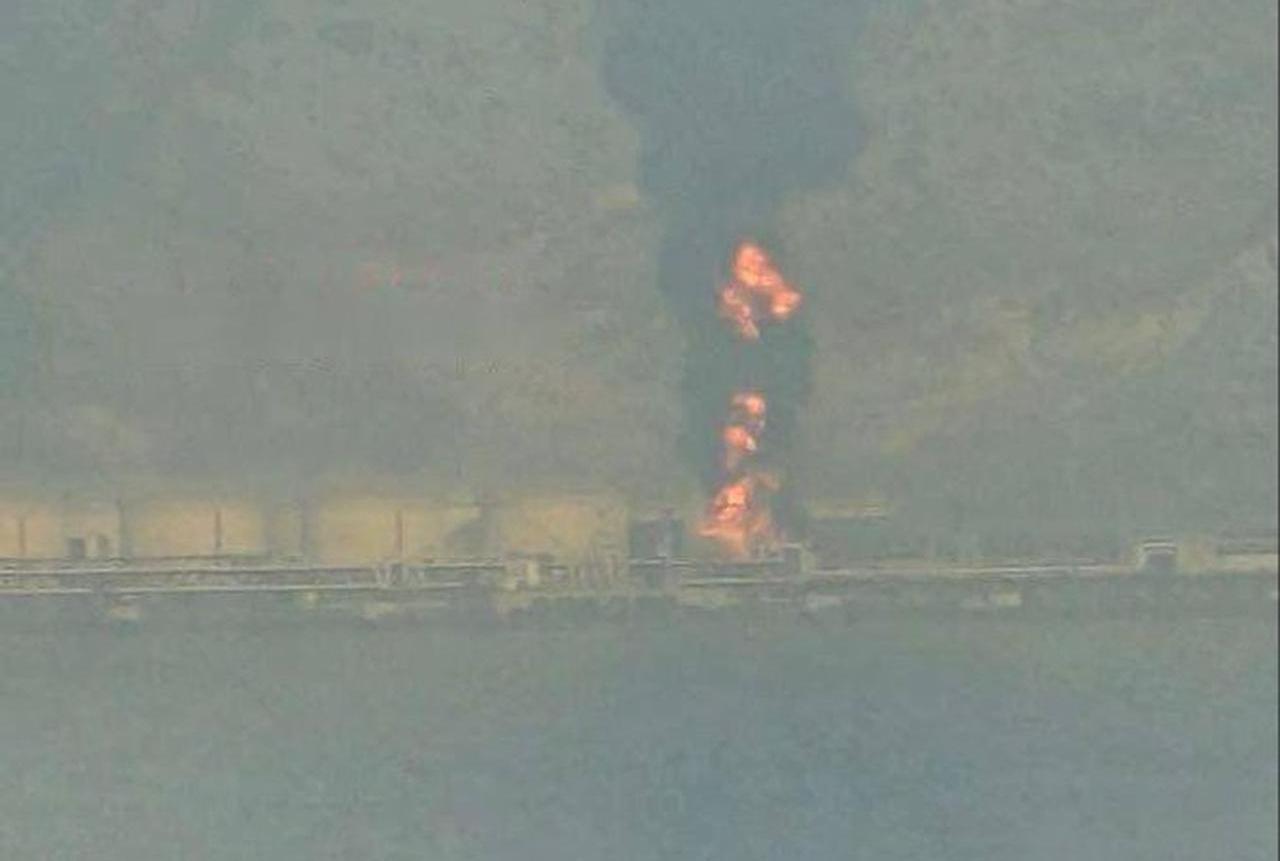
On March 14 several drones, which, according to CNN and Turkiye Today, originated from Iran, attacked oil storage facilities at the port of Fujairah (UAE). Fires broke out on site, emergency services responded — authorities are assessing the scale of the damage.
Why Fujairah matters
The Port of Fujairah is one of the world's largest centers for oil storage and bunkering (after Singapore). It is located outside the Strait of Hormuz, in the Gulf of Oman, and allows oil to be exported while bypassing the strategic strait. Because of this, strikes on Fujairah hit not only the UAE but also global energy logistics.
What is already known about the consequences
According to Bloomberg, some of the oil loading operations in Fujairah were temporarily suspended. This may mean local delays in unloading vessels and short-term supply disruptions on some routes.
The day before, on March 13, Reuters reported US strikes on military targets on Kharg Island — Iran's main oil hub — and that US leaders warned of possible strikes on Iranian oil infrastructure in the event of escalation. This adds context: the region is currently in a more stressed state than usual.
"The UAE's Fujairah Port, the world's 2nd largest fuel supply center (after Singapore), is in smoke! ... a 'red alert' for the global supply chain..."
— Burhan Ekinci (@brhekinci)
Diplomatic background
Financial Times reports that France and Italy are attempting to quietly negotiate with Iran over the security of navigation in the Strait of Hormuz. Turkey said Iran allowed one of its ships to pass through the strait. This indicates that some diplomatic work is happening behind the scenes, not only in loud statements.
Economic consequences: who will be hit first
Analysts and local observers (including LIGA.net and Bloomberg) are already warning of a risk of short-term fuel price increases and higher volatility in energy markets. For the average Ukrainian this could mean pressure on fuel prices and on the logistics of importing essential goods.
What this means for Ukraine
First, even distant conflicts at key transport hubs affect global prices — and therefore budgetary spending and inflation expectations in Ukraine. Second, the situation underlines the importance of diversifying energy supplies and maintaining stable logistics chains to support defense capability and the economy. Third, escalation in the Middle East prompts our partners to strengthen diplomatic contacts and assess risks to shipping, which directly affects the logistics of support to Ukraine.
Short forecast
This is an incident with a high potential for short-term market consequences and a moderate risk of further escalation. It is important to monitor three markers: 1) reports of extended outages in Fujairah; 2) responses from international navies and diplomatic channels; 3) movements in oil and fuel prices in the next trading sessions. For Ukraine, the key task is to assess these risks promptly and adjust procurement and logistics strategies accordingly.
While attention is drawn to the smoke over the terminal, the real work is taking place in offices and on patrols — and it will be the decisions of partners that determine whether this strike will grow into a sustained shock to global supplies.





