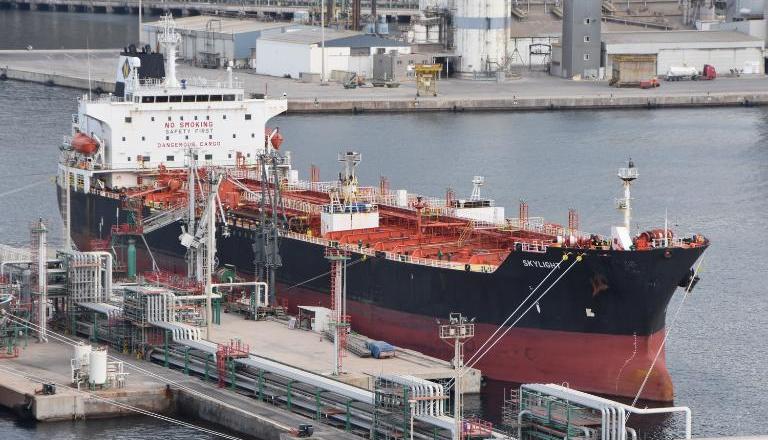
What happened
On the morning of March 1, the tanker Skylight, flying the flag of Palau, was attacked off the Musandam Peninsula (Oman). According to Reuters, the incident occurred approximately 9 km north of the port of Khasab; the exact type of weapon has not yet been determined.
Oman's Marine Safety Authority reported the evacuation of the entire crew — 20 people (15 Indian citizens and 5 Iranian citizens). Four people were injured. Prior to the attack, international sources recorded drone launches in the region and strikes on infrastructure in the Persian Gulf, which provides grounds to view the incident as part of a broader chain of escalation.
Who is behind the vessel and why it matters
According to LSEG, the registered owner of Skylight is Sea Force Inc, and management is carried out by Red Sea Ship Management LLC. In December 2025 the U.S. Department of the Treasury imposed sanctions on the manager and owner, accusing them of creating a so‑called "shadow fleet" to transport Iranian oil products. The European Union imposed similar restrictions.
"The vessel was used to transport Iranian oil products in the Persian Gulf,"
— U.S. Department of the Treasury
Context and consequences
This incident brings together two issues: the effectiveness of sanctions and the security of maritime corridors. If part of the fleet is indeed operating outside the legal framework, it becomes a target amid rising tensions — with direct risks to insurance, chartering costs, and the stability of energy supplies.
For Ukraine such events carry an indirect but tangible weight: changes in logistics and rising prices for energy and insurance of trade routes affect global markets, and therefore the country's economic situation during the war.
What may change next
The international response will show whether partners can turn diplomatic statements into mechanisms to protect maritime trade: enhanced patrols, targeted pressure on structures organizing shadow shipments, and measures to reduce risks to civilian shipping. If the reaction is weak, the risks of escalation and higher logistics costs will only increase.
Summary: the attack on Skylight is not an isolated incident but a signal: sanction evasion is turning trade routes into a field of heightened risk. Whether the international community can translate the response into systemic steps is the key question for the coming weeks.





