What happened and why it matters
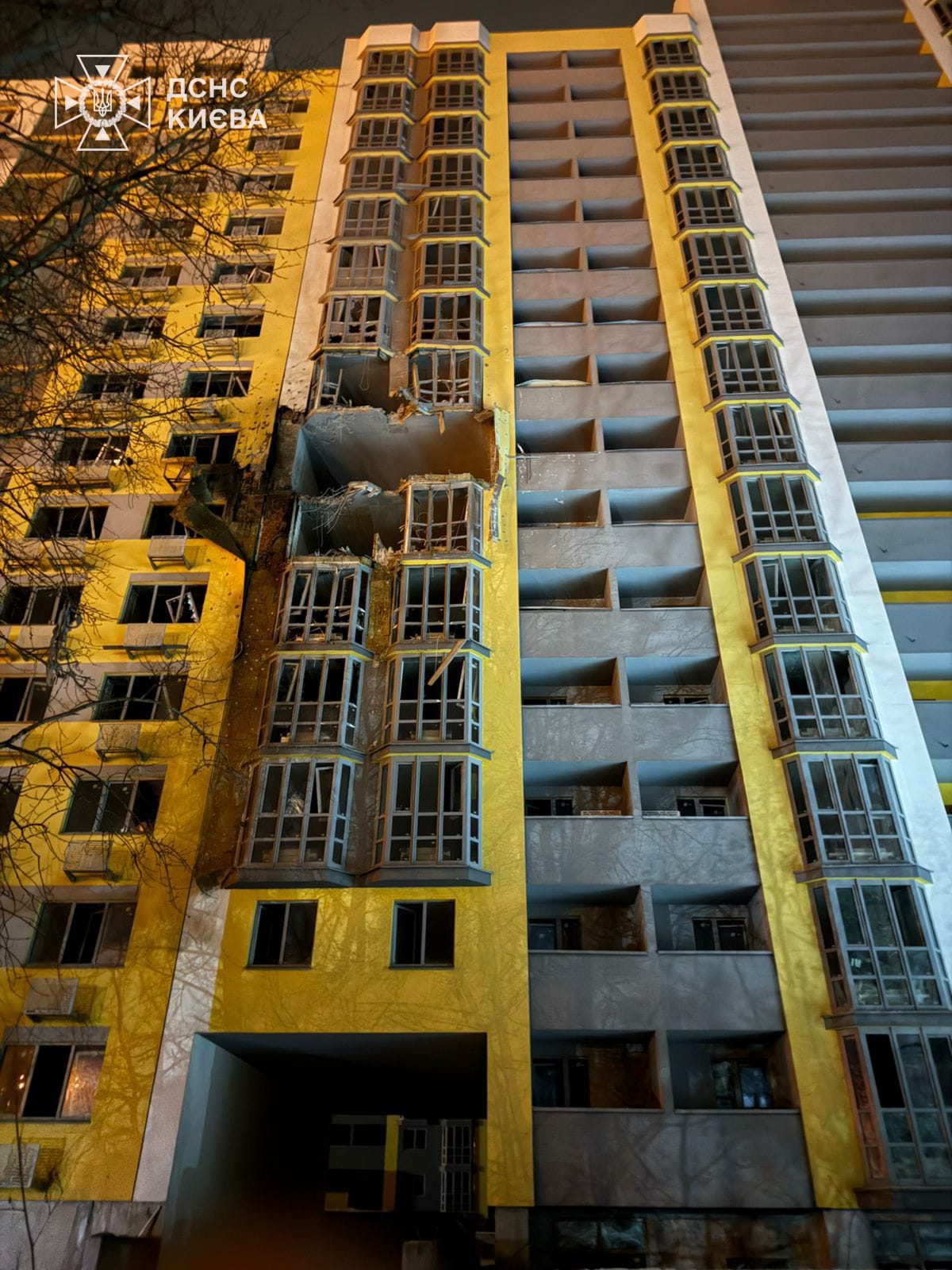
On the night of January 24, Russia launched a series of strikes across Ukraine that the Foreign Ministry described not only as attacks on people and energy infrastructure, but also as an attempt to undermine the diplomatic process taking place at the same time in Abu Dhabi. Foreign Minister Andriy Sybiha directly linked the timing of the attack to the work of delegations meeting under U.S. chairmanship.
"Peace efforts? A trilateral meeting in the UAE? Diplomacy? Cynically, Putin ordered a brutal, massive missile strike on Ukraine precisely when delegations are meeting in Abu Dhabi... His rockets struck not only our people, but the negotiating table as well."
— Andriy Sybiha, Ukraine's foreign minister
Facts in numbers
According to official sources, in the night operation the enemy used 21 missiles and 375 drones. Air defense systems responded: about 357 drones and 15 missiles were shot down. On the ground — human losses and serious infrastructure damage: in Kyiv one person was killed and four injured; in Kharkiv 19 people were hurt, residential buildings, a medical facility and a maternity hospital were damaged.
The impact on civilian life is significant: in Kyiv about 6,000 households were left without heating, and in the Chernihiv region hundreds of thousands of customers were left without power.
What it means for the negotiations
The Foreign Ministry and Ukrainian analysts interpret this move as an attempt to weaken Ukraine's position in the dialogue, undermine confidence in the possibility of a peaceful settlement and increase pressure through a humanitarian and energy crisis. This is not only a symbolic blow "to the negotiating table," but also a practical tool of influence: to disrupt everyday life, create arguments for compromises on terms unfavorable to Ukraine.
"This barbaric attack has once again proven that Putin's place is not on the Peace Council, but on the dock of a special tribunal."
— Andriy Sybiha, Ukraine's foreign minister
Consequences for energy and response
Damage to energy infrastructure increases risks for millions of people — from heating to the operation of hospitals. That is why the minister thanked both state services and volunteers, including initiatives like WarmthForUkraine, which rapidly join the response and assist those affected.
What next?
An attack during diplomatic talks poses a simple question to Ukraine's partners: will diplomatic declarations be turned into concrete decisions — additional air defense systems, delivery of energy equipment, financial support for restoration and strengthening protection of critical infrastructure? Analysts point out that such investments now are not only a humanitarian need, but a strategic contribution to the resilience of Ukraine's negotiating position.
Now the ball is in the partners' court: declarations must be transformed into concrete actions that will halt the mechanism of offensive pressure and protect people's lives and the ability to negotiate from a position of strength.





