Why this matters
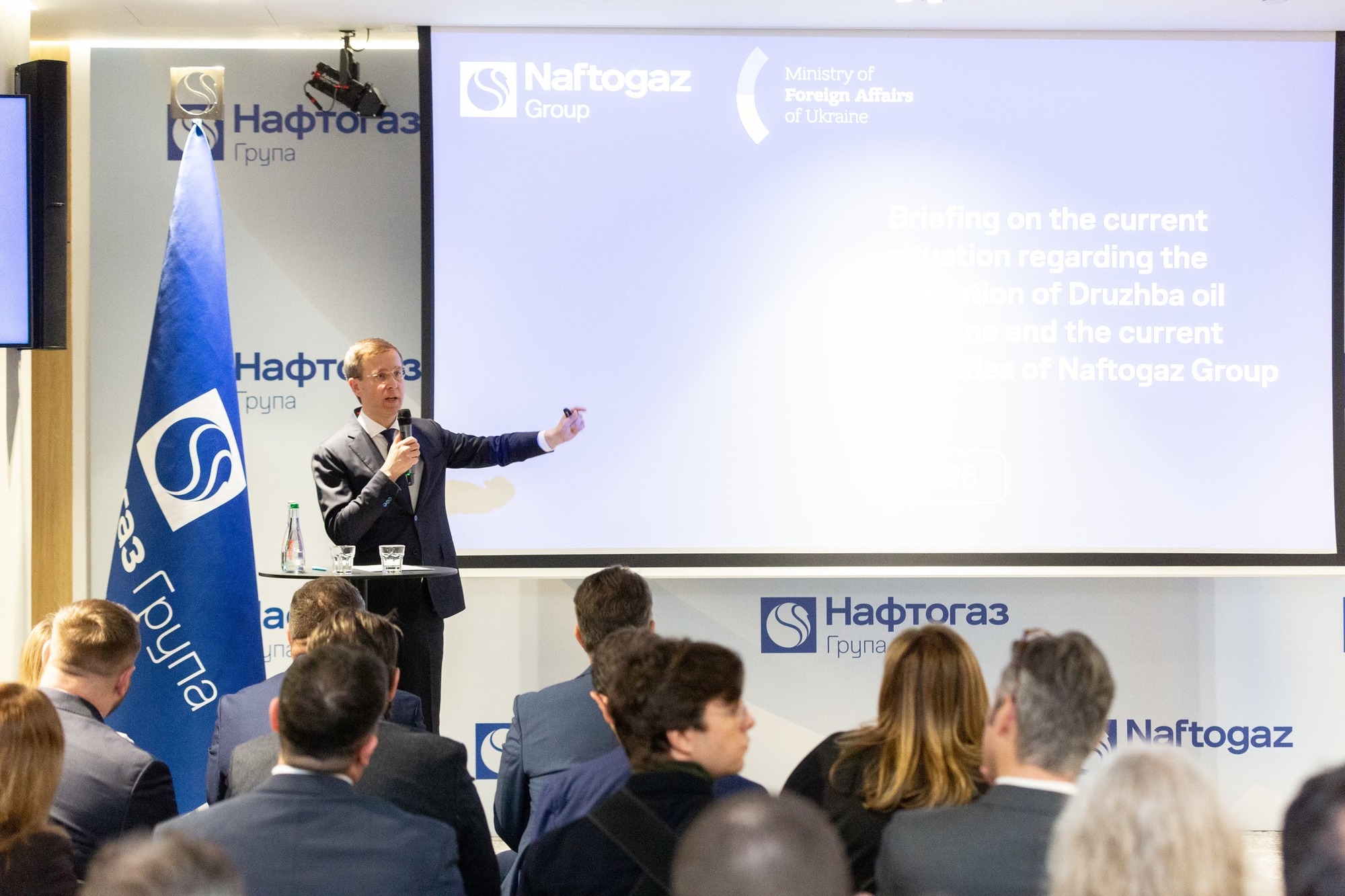
Naftogaz, together with the Ministry of Foreign Affairs, held a special briefing for foreign diplomatic missions, where they detailed the consequences of Russian attacks on the Druzhba pipeline. According to LIGA.net, representatives from Hungary and Slovakia — countries for which the restoration of Russian oil transit is economically significant — were also present at the event.
What exactly was shown
According to Naftogaz chairman of the board, Sergiy Koretskyi, diplomats were shown photo and video evidence, as well as technical assessments of the nature of the damage and the risks of further attacks. Using these materials, they explained that restoration of such infrastructure is a complex technological process that requires time, specialized equipment, and work under the constant threat of repeated strikes.
"We presented comprehensive materials on the nature of the attack and its consequences... Restoring such infrastructure is a complex technological process that requires time, specialized equipment, and work under the constant threat of repeated Russian strikes"
— Sergiy Koretskyi, chairman of the board of Naftogaz
Implications for transit and policy
Damage to the Druzhba pipeline calls into question not only the technical restoration of the mainline but also the financial and political aspects of transit. On one hand, there is pressure from recipient countries that are interested in a prompt resumption of supplies; on the other, there is a need to guarantee the safety of repair work and the future operation of the pipeline.
What needs to be done next
Documenting the incident and publicly informing diplomatic circles is the first step. Concrete actions are needed next: coordinating with partners on supplying specialized equipment, ensuring the safety of repair crews, and conducting international technical expert assessments. Without these measures, restoration will be prolonged and the risk of repeated strikes will remain high.
Conclusion
Ukraine has taken an important step — it showed partners the scale of the problem and the technical arguments, not just political statements. Now the ball is in the diplomats' and technical experts' court: words must turn into contracts and equipment deliveries that will make it possible to restore the infrastructure quickly and safely. Whether partners are ready to move from applying pressure on Kyiv to providing real assistance is the key question in the coming weeks.
Sources: Naftogaz, Ministry of Foreign Affairs of Ukraine, LIGA.net.





