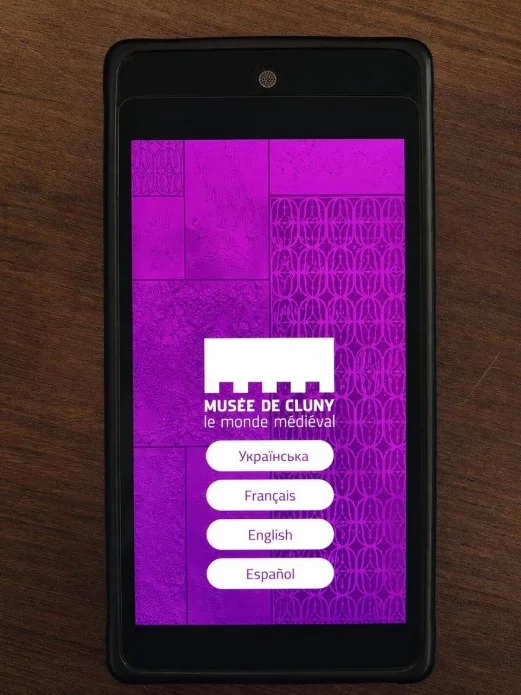
At the Andersen Museum in Odense, visitors can now put on headphones and hear the tale of the Snow Queen in Ukrainian. The same option has appeared at the Old Pinacotheca in Munich in front of paintings by Dürer and Rembrandt, and at the Musée de Cluny in Paris among medieval tapestries. Three new locations — and together already 125 audio guides in 59 countries, First Lady Olena Zelenska announced.
The number is growing methodically, almost imperceptibly against the backdrop of news about the front and negotiations. But that is precisely the logic of the project: it does not depend on changes in sentiment in Washington or another round of peace plans. It is infrastructure that can be built over years regardless of how favorable the U.S. administration is this week or how tired European public opinion has become.
Why now
In autumn and early winter, the attention of world media traditionally shifts — budgets are passed, elections are held, conflicts in the Middle East take up newspaper space. For a country that depends on external support, disappearing from the information agenda is a risk no less than losing positions on the front. An audio guide in a museum is a way to remain visible in places where media do not go: among tourists, schoolchildren on excursions, local families on a weekend.
It is also a cheap and politically resilient tool. Unlike lobbying for weapons packages or sanctions, which depends on parliamentary majorities or the mood of a particular president, translating an audio guide requires agreement with the museum's management and translators. The next government in Washington or Berlin will not cancel this.
Who benefits
The most direct beneficiary is the Office of the First Lady, for which cultural diplomacy has been a core direction since pre-war times. The project provides measurable results: specific numbers, specific museums, specific quotes from classics — Zelenska recalled that translations of Andersen's fairy tales into Ukrainian appeared as early as the nineteenth century, and were done by Yuri Fedkovych and Mykhailo Starytsky, placing today's initiative in a longer historical tradition rather than in the context of wartime PR.
It is also beneficial to embassies, which receive a ready-made, non-controversial reason to cooperate with local institutions — unlike weapons or financial aid topics, an audio guide does not require coordination with the parliament of a partner country. And for the museums themselves, it provides access to a new audience: the Ukrainian diaspora and refugees, of which there have been millions in Europe since 2022.
What the other side says
There is almost no public opposition in Ukraine to audio guides as such — the topic is too minor for political attack. But it fits into a larger discussion regularly raised by critics of the authorities' rhetoric: whether symbolic activity replaces systemic work where it is truly needed — in negotiations about weapons, in pressure for sanctions packages, in communication directly with military families. The argument of opponents is simple — cultural presence does not buy air defense systems and does not guarantee a place in the negotiating team when the format for ending the war is being decided.
The counterargument of project supporters is no less logical: one does not exclude the other, and the absence of cultural subjectivity after victory or a frozen conflict will cost more than translating text for headphones. The question is rather one of balance of attention — how much resources of the First Lady's apparatus go into such initiatives compared to other areas of her work, which is rarely covered in such detail.
The project will continue to grow — the next audio guides, judging by the pace, will appear before the end of winter. The question that remains open is: will this accumulated cultural visibility be converted into something more concrete when a new round of decisive political negotiations for Ukraine begins in the spring.