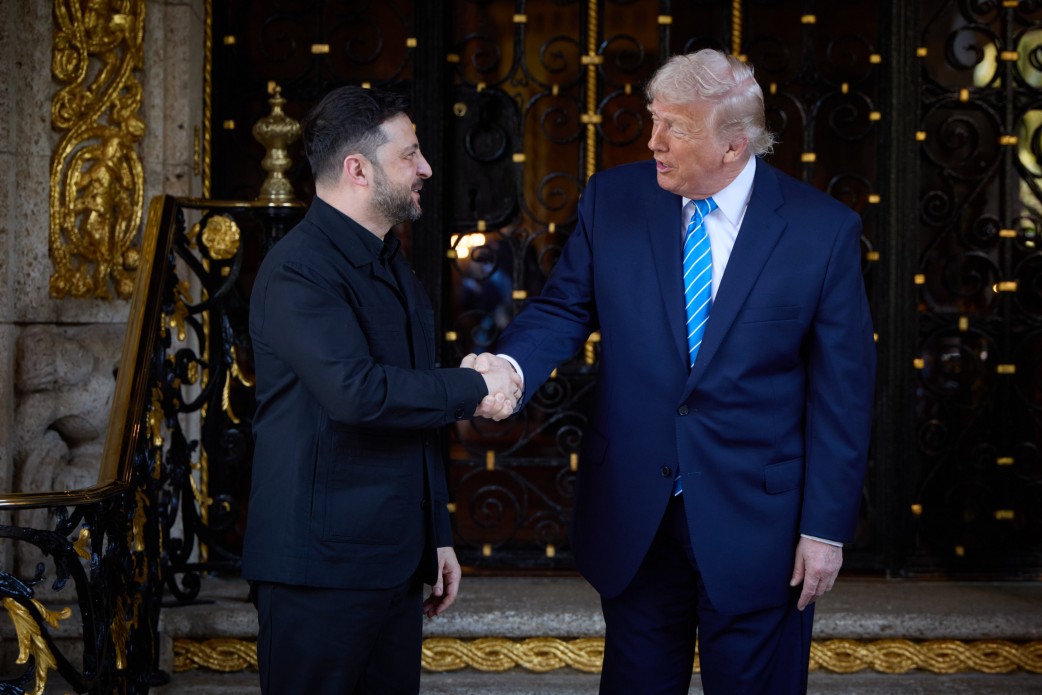
In brief — why this deserves attention
In response to a request in the Office of the President's chat, Volodymyr Zelensky combined thanks for concrete steps by the United States with a call to increase pressure on the Kremlin. This matters right now: intelligence data, air-defense deliveries and sanctions affect not only the tactical situation on the front, but also the ability to rebuild the country after victory.
What exactly the president said
"I'll be frank with you, we need to survive. We are fighting for our independence, for our freedom, for our existence. In this struggle we need any help"
— Volodymyr Zelensky, President of Ukraine
Zelensky thanked the US for what he said was the "restoration of intelligence" cooperation and that "we have Patriot missiles." He also welcomed the halting of tankers from the "shadow fleet" and the introduction of energy sanctions, but added: "of course we want more".
"Not everything is perfect, but it's coming. We are grateful for such assistance"
— Volodymyr Zelensky, President of Ukraine
Context and why this matters
First, the restoration of intelligence-data sharing increases the accuracy of strikes on the enemy's logistics and headquarters — this directly reduces its operational capabilities. Second, air-defense systems, such as the Patriot, change the level of protection of key facilities and the morale of the population. Third, sanctions, especially those hitting energy and shipping, constrain the Kremlin's resource base.
Experts at leading analytical centers point out that the combination of intelligence, defensive systems and financial-trade restrictions creates a synergy — each of these elements is important on its own, but together they amplify strategic pressure on Moscow.
Consequences for politics and the front
If partner actions continue and intensify, this provides two practical advantages for Ukraine: 1) better operational capabilities for advancing and holding positions; 2) political pressure that, in the long term, makes further aggressive actions costly for the Kremlin. Zelensky also referred to "nearly three important documents" that could lay the legal and financial groundwork for reconstruction — their signing and implementation will be a key indicator of partners' trust.
What next?
The president expressed gratitude and a demand at the same time: thanks for what has already been done and a request for more — in sanctions, defense aid and intelligence. Now the ball is in the partners' court: will they turn these signals into concrete steps — additional sanctions, strengthened intelligence-sharing and new deliveries of defensive equipment?
This is not only a matter of diplomacy — it is a question about the security of Ukrainian society and about how quickly and effectively political declarations can be turned into tangible results for the front and for rebuilding.





