What happened
The ultra-left group Vulkangruppe has claimed responsibility for the power outages in Berlin. This was reported by Tagesspiegel; police have confirmed the authenticity of the letter and opened an investigation.
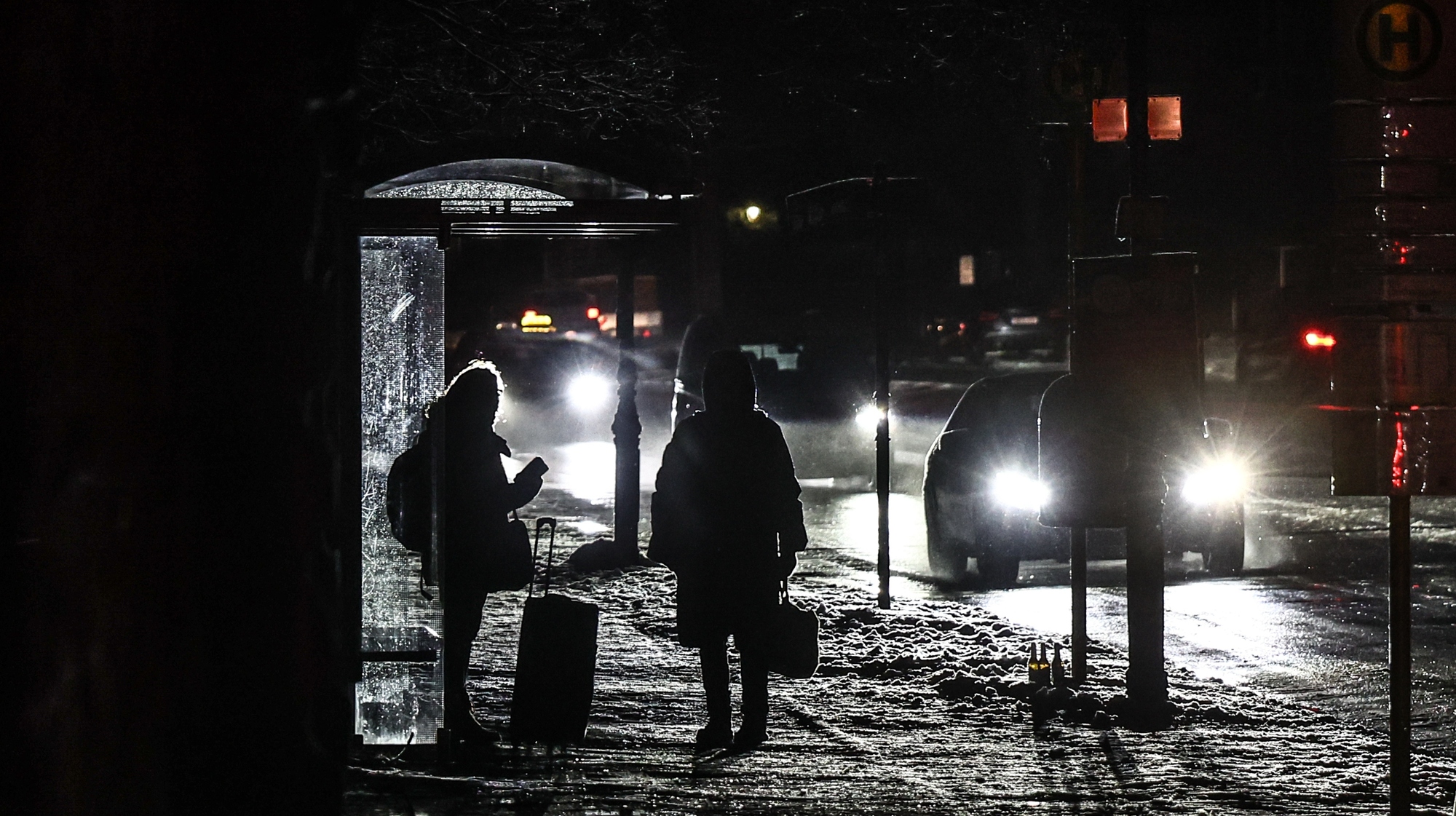
According to authorities, the large-scale blackout on 4 January 2026 cut power to tens of thousands of households; previously, on 9 September 2025, a fire on high-voltage transmission towers in the capital also left large areas without electricity.
Who is behind the attacks
Police have formed a special investigative unit, Spannung. Berlin Mayor Kai Wegner confirmed that investigators are treating the actions as an attack by left-wing extremists and promised active steps to hold those responsible to account.
"All of this happened yesterday morning. We have a letter of confession. It now needs to be carefully examined."
— Kai Wegner, Mayor of Berlin
Consequences for infrastructure security
Attacks on power lines are not just local inconveniences: they can trigger cascading failures in transport, communications and medical services. Authorities declared a state of emergency and deployed the German Armed Forces to assist with restoration and to guard critical facilities.
Analysts in the German media and security experts point out that public claims of responsibility by groups carrying out sabotage also function as information operations — they seek to legitimize violent actions and mobilize sympathy.
Lessons for Ukraine
Ukraine has practical experience in countering attacks on energy systems, so some conclusions are obvious: decentralization of grids, backup power sources, rapid emergency response and intelligence-sharing with partners. These are not just technical measures — they are matters of civil security.
What next
The investigation in Berlin will show whether these were isolated acts by extremists or part of a broader tactic of sabotaging critical infrastructure. Authorities must turn identified threats into concrete measures to harden networks and strengthen preventive intelligence. Will this incident teach European capitals to act in a coordinated way before the threat turns into a systemic crisis?