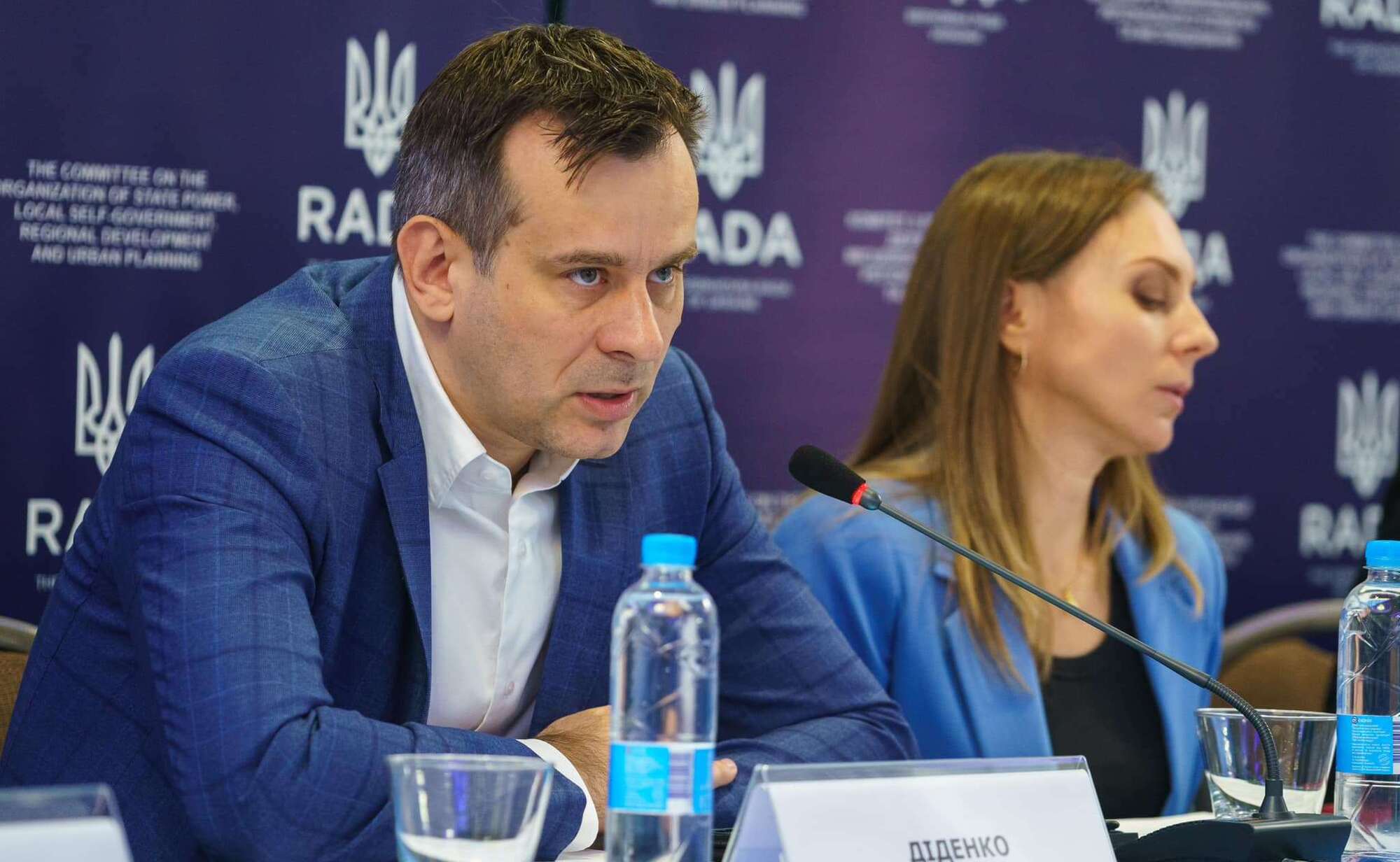
What the Head of the CEC Said
In an interview with Ukrinform, the head of the Central Election Commission Oleg Didenko clearly set out the priorities: restoring elections requires, above all, adequate security conditions. This is not rhetoric — it is an operational prerequisite understood both by the Presidential Administration and by international partners.
"First and foremost it is necessary to ensure proper security conditions, which the president speaks about, and international partners understand that this is a necessary prerequisite, and I see that there is a consensus in our society on this issue. How can one hold elections under missile attacks?"
— Oleg Didenko, head of the Central Election Commission (interview with Ukrinform)
What the Law Says and the Deadlines
Under the current version of the law, if martial law is lifted, the electoral process for parliamentary elections must begin within one month. That is why the question is not only about the date of the decision to lift martial law, but also about the practical preparatory steps: from restoring registers to the logistics of voting in regions affected by hostilities.
"The question of timeframes is always a question of balance. On one hand, the longer the timeframe, the better you can prepare ... On the other, that period should not be excessively long"
— Oleg Didenko, head of the Central Election Commission
Political Context
It is worth separately noting a few recent political signals: on December 9 in the United States there were calls to hold elections; the President of Ukraine responded that he is ready but emphasized the security conditions. In parliament, initiatives have been registered to discuss holding elections during martial law and to create working groups, and the State Voter Register has resumed operation — for the first time since the start of the full-scale war. At the same time, the Presidential Office warns of attempts by Russia to prepare the grounds for not recognizing the process.
What This Means in Practice
The frame Didenko proposed is pragmatic: security will determine the timing and the format. Thus, the list of necessary steps is simple in formula but difficult to execute: from integrating register data and restoring access to polling stations to guaranteeing voters' security and international observation. Analysts and lawyers point out that any acceleration without proper preparation risks undermining trust in the result.
Conclusion
The CEC's position is a signal to both the authorities and partners: declarations of readiness for elections must be combined with concrete actions on security and administrative preparation. Now the question is not only legal, but also logistical and political: will institutions be able to turn the aspiration for safe conditions into a reality that ensures free and recognized voting?
Sources: interview of Oleg Didenko for Ukrinform, public statements of the President and parliamentary leadership, information about the operation of the State Voter Register.





