Essence of the decision
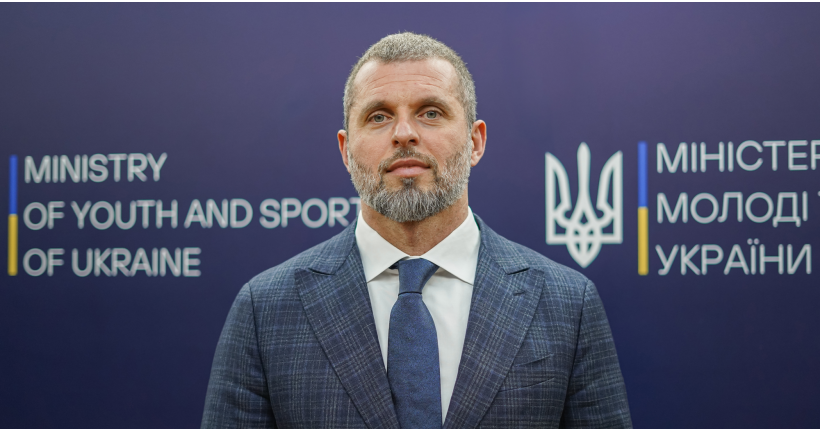
The Minister of Youth and Sports Matvii Bidnyi announced that Ukrainian officials will not attend the 2026 Winter Paralympic Games and will ignore the opening ceremony and other official events. The decision is a direct reaction to the admission of some Russian and Belarusian athletes to compete under their national flags and with national anthems played for gold medalists. The Games will take place from 6 to 15 March 2026 in Milan, Cortina d'Ampezzo and Val di Fiemme.
"In response to the outrageous decision of the Paralympic Games organizers to allow Russians and Belarusians to compete under national flags, Ukrainian officials will not go to the Paralympic Games"
— Matvii Bidnyi, Minister of Youth and Sports
Why this matters
The issue is not only diplomatic symbolism. Allowing flags to be raised and anthems to be played is a way to restore the international status of a state that is currently waging an aggressive war. For Ukraine this is a matter of dignity and security: official presence under national flags implies partial normalization, which can be used in information and political warfare against our country.
Effect of the boycott
Refusal of officials to participate is a signal to international partners and organizers. This is not a direct punishment of athletes, but a diplomatic pressure tool: to put the reputation at stake of a competitive format that requires trust and neutrality. According to official ministry information, Bidnyi also thanked officials of free-world countries who plan to ignore official events — this adds an element of social proof to Kyiv's decision.
Risks and limitations
The boycott also has side effects: it pressures diplomacy and the media agenda rather than organizers directly. There is a risk that athletes themselves will suffer — international committees rarely change decisions under pressure after a tournament has begun. Political filtering is also possible: whether other governments will follow through or whether this will remain a symbolic action will depend on the response of the International Paralympic Committee (IPC) and the host country.
What to watch next
In the coming weeks it is worth watching three things: the reaction of the organizers and the International Paralympic Committee, the willingness of other states to join the boycott of official events, and whether this will lead to a reconsideration of rules regarding national symbols. This is not just about sport — it is a test of the ability of international institutions to reconcile principles with pragmatism.
Summary: The Ukrainian government's decision is a deliberate diplomatic move aimed at protecting national dignity and calling into question the legitimacy of the decision to restore flags. Whether this will change the organizers' position remains an open question. But the signal has already been sent: for Ukraine this is not just sport.





