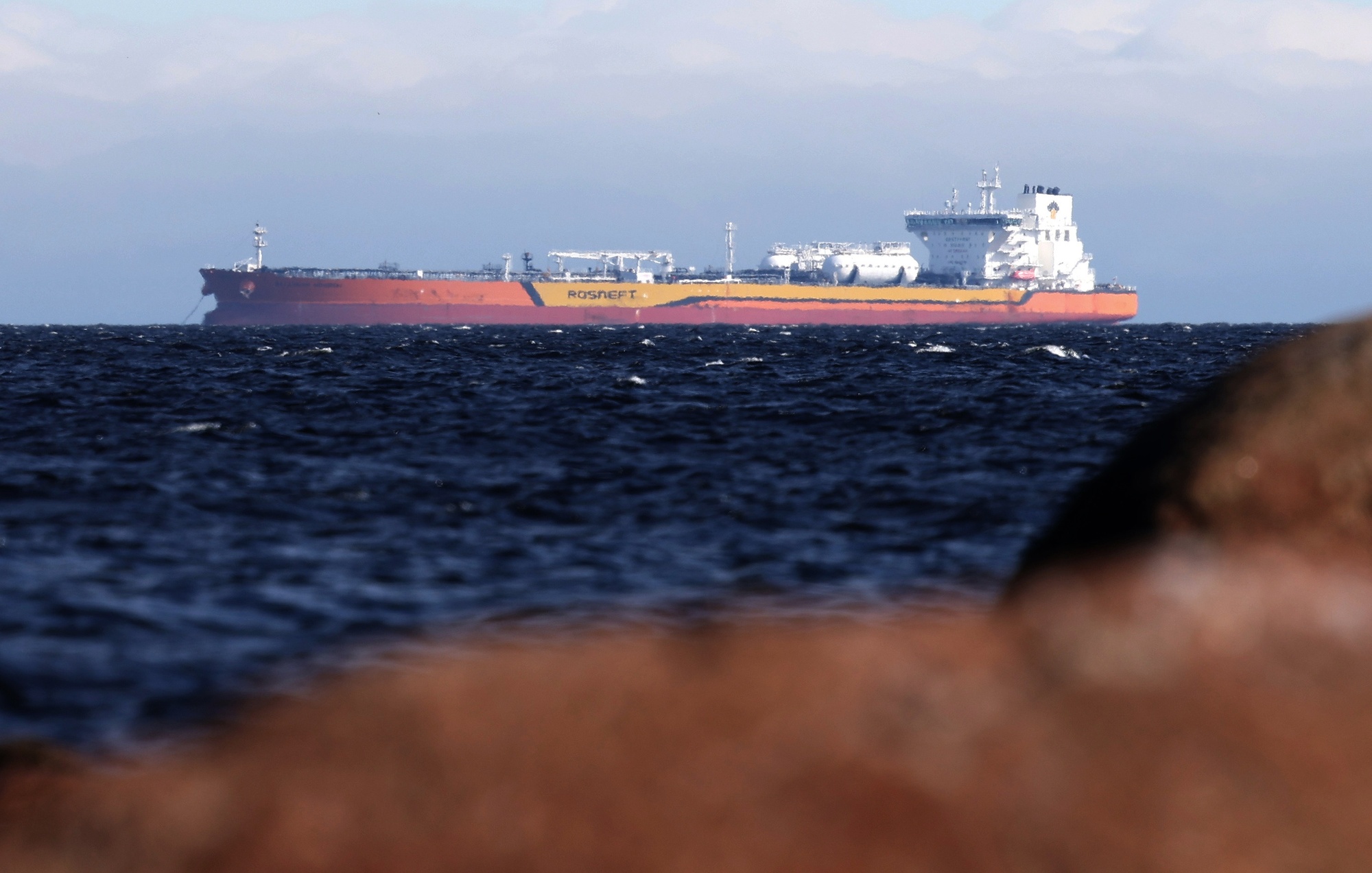
Britain, tankers and a new phase of maritime pressure on the Kremlin
According to The Guardian, the United Kingdom is working through military scenarios to seize tankers of the so-called "shadow fleet" — vessels that use false or variable flags to hide links to Russia. This is not just an isolated idea: planning discussions are taking place in the context of coordination with NATO allies and against the backdrop of the US example, which in January 2026 seized the tanker Bella 1.
What exactly are the allies working on?
Unnamed interlocutors at the British Ministry of Defence report that military options for detaining vessels in international waters have been worked out. Part of the rationale is the desire to cut off sources of funding for Russian aggression: even before 2025 London had placed over 500 ships linked to Russian oil exports on sanctions lists.
Legal palette: flags and the "statelessness" of ships
The key legal point is the ship's flag as an expression of jurisdiction. If a vessel consistently uses false or changing flags, it can de facto be placed in a status sometimes called "stateless," and then it can be detained under certain rules of maritime law. However, interpretations of these rules vary among European countries — which is why coordination between states is necessary.
Risks and tactical considerations
As Lloyd's List warns, citing its editor Richard Meade, the legal basis exists, but the main question is the risk of escalation. Meade notes that the Royal Navy could detain many such vessels, but they are wary of doing so because of the possible response from Moscow. Also discussed is an option to reduce risks — to carry out operations outside the Baltic or Arctic regions, where the Russian presence and direct threat are greater.
"The Royal Navy could detain any number of ships under maritime law, since they effectively have no nationality. But they have not done so because there is a risk of escalation."
— Richard Meade, editor-in-chief, Lloyd's List
Why this matters for Ukraine
First, every successful action against the "shadow fleet" reduces the revenues the Kremlin receives from energy exports — a direct factor undermining the financing of the war against Ukraine. Second, such operations demonstrate allies' readiness to turn sanctions pressure into practical measures — a signal that can influence the decisions of third-country importers. Third, for Ukraine the legal and diplomatic framework is important: without it operations could complicate cooperation and create political divisions among partners.
What next?
We see the potential for increased maritime pressure on Russia, but the use of such a tool depends on the balance between the desire to act and caution regarding escalation. For Ukraine, the key task is to turn international rhetoric and sanctions into coordinated actions that will shrink the aggressor's resource base without unnecessarily widening the front. Whether this becomes a new norm of maritime policy toward the Kremlin will depend on how closely allies act together and how clearly the legal basis for operations is defined.





