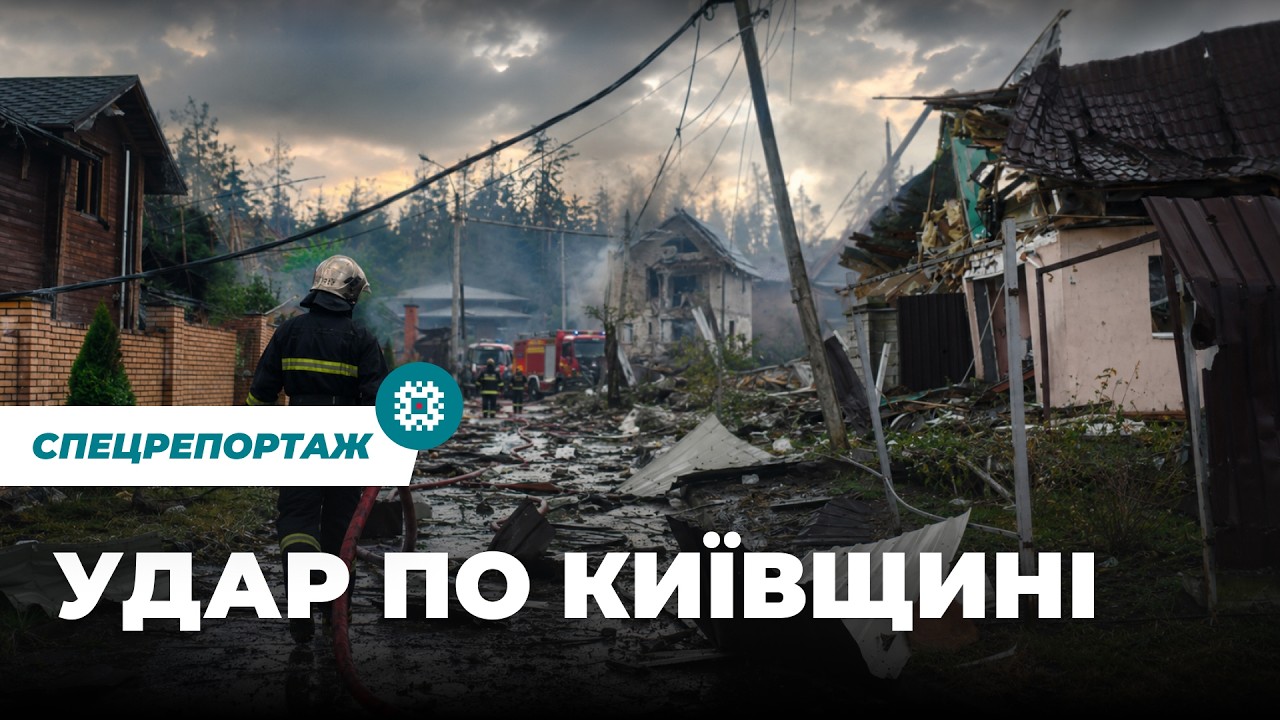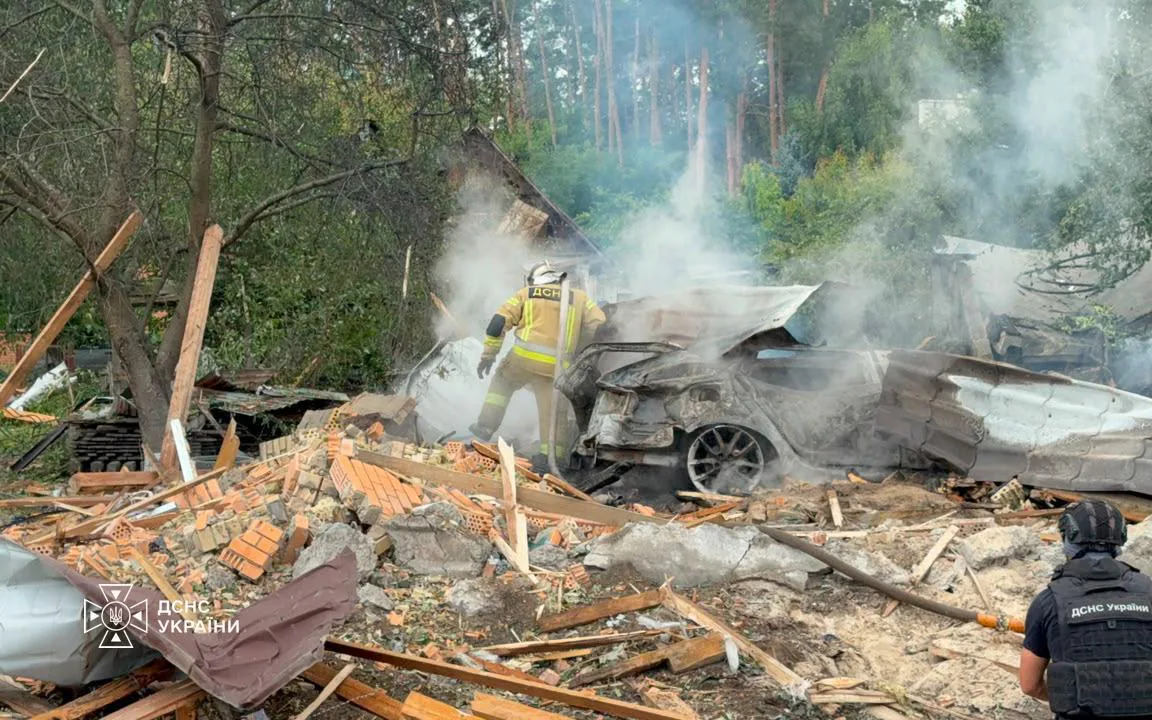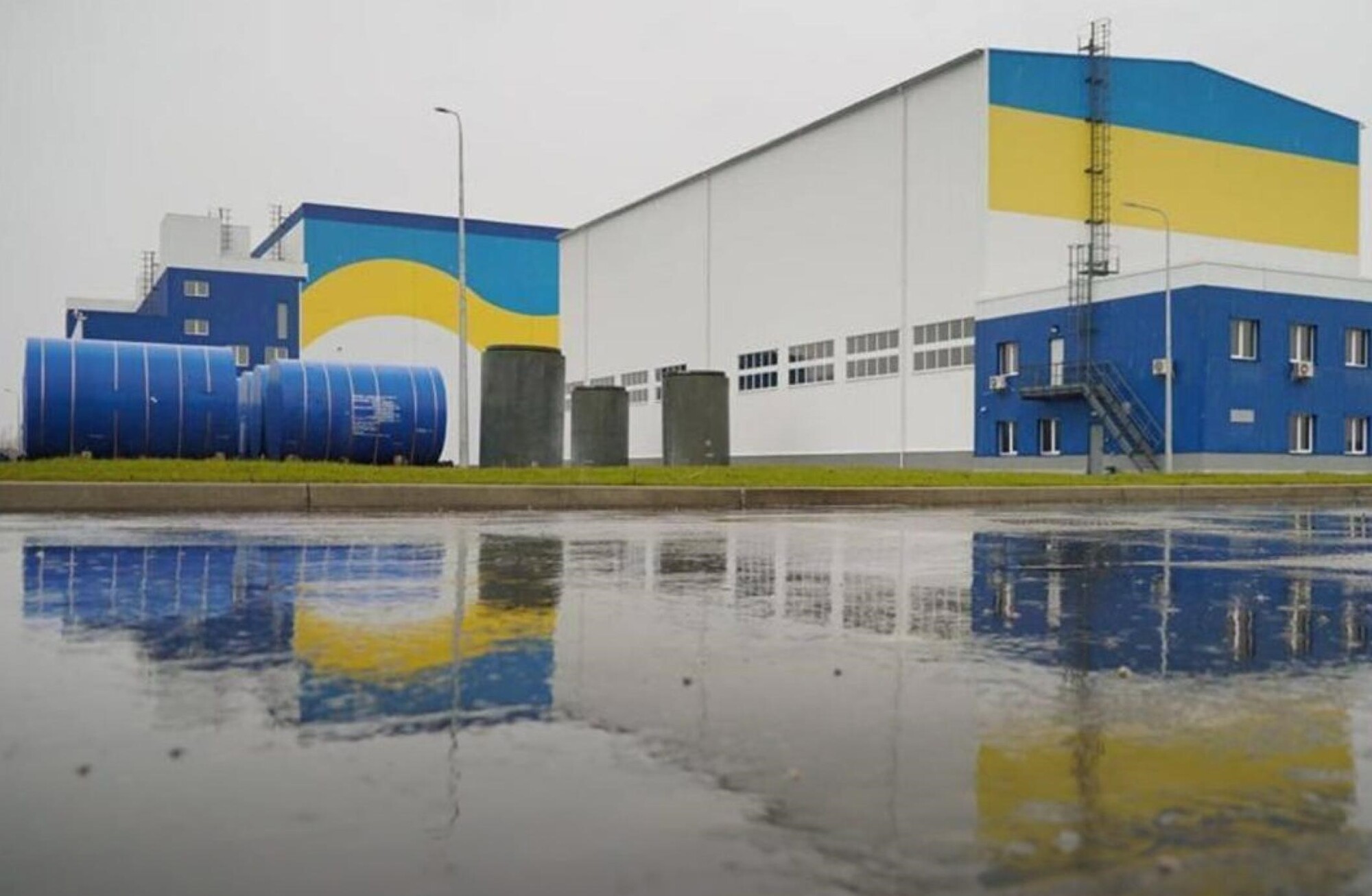
At 02:10 on June 7, a Russian drone hit the site of the Centralized Storage Facility for Spent Nuclear Fuel (CSFSF) in the Chornobyl Exclusion Zone. A building for container reception was partially destroyed. A fire broke out over 40 square meters — it was extinguished promptly. There were no casualties, and radiation levels are normal.
But here begins a detail that determines how close Russia came to a real catastrophe.
What is CSFSF and why it's not just a "nuclear facility"
CSFSF is a storage facility that Ukraine spent over 20 years building to end dependence on Russia in the matter of storing spent fuel from three nuclear power plants: Rivne, Khmelnytsky, and South Ukraine. Before it began operations, fuel was transported for reprocessing to Russia — and Ukraine paid hundreds of millions of dollars annually for this.
The technology is American, "dry": spent fuel assemblies are packed into HI-STORM type containers and sealed with concrete. Design capacity — 458 containers, 16,529 fuel assemblies. These containers are stored in the open on concrete pads. The reception building destroyed by the drone is infrastructure before final storage: fuel is transferred here from transport containers.
"Yet another strike on a nuclear infrastructure facility once again demonstrated to the whole world the true face of the Kremlin regime, which deliberately creates threats to nuclear and radiation safety"
Energoatom
Chance as the only protective factor
Energoatom confirmed: spent fuel was not stored in the damaged building. Had the drone hit the site with HI-STORM containers — the scenario would have been fundamentally different. The container design is calculated to withstand man-made disasters and sabotage, but an aerial strike on an open storage site — this is a test that no manufacturer included in their technical specifications.
Ukraine's Ministry of Energy has already appealed to the IAEA demanding a mission to document the consequences. The Agency confirmed dispatching inspectors. This is an already established procedure: after attacks on the Zaporizhzhia NPP, IAEA inspectors documented damage and radiation levels — but often had to take shelter from drones during inspections themselves.
Systemic context that should not be ignored
This is not the first strike on nuclear infrastructure in the Chornobyl zone in 2025: earlier, Russia attacked the protective shelter of the destroyed fourth reactor unit. The General Staff of the Armed Forces of Ukraine qualifies such strikes as part of a systemic policy of nuclear terrorism.
- Since the start of Russia's full-scale invasion, it has repeatedly routed missiles and drones over nuclear power plants.
- Zaporizhzhia NPP lost external power supply 17 times due to strikes on substations.
- In 2025, the Doomsday Clock showed a record 89 seconds to "midnight" — in part due to nuclear risks in Ukraine.
The Ministry of Energy insists: the IAEA must not only document the damage but publicly qualify systematic strikes on nuclear infrastructure. So far, the Agency limits itself to monitoring and calls for restraint.
If the next strike lands not on an auxiliary building, but on the container storage site — will the IAEA have sufficient legal and political tools to respond faster than a fire spreads?