Why this matters
A phone call between President Volodymyr Zelensky and the Czech leader confirmed that the Czech initiative, which has already delivered 1.8 million artillery shells to Ukraine, should continue — and there is potential for deliveries in 2026 as well. For the reader this means a simple thing: ammunition stocks remain a key factor for the tactical capabilities of our military and for Ukraine's position in diplomatic bargaining.
What exactly Zelensky said
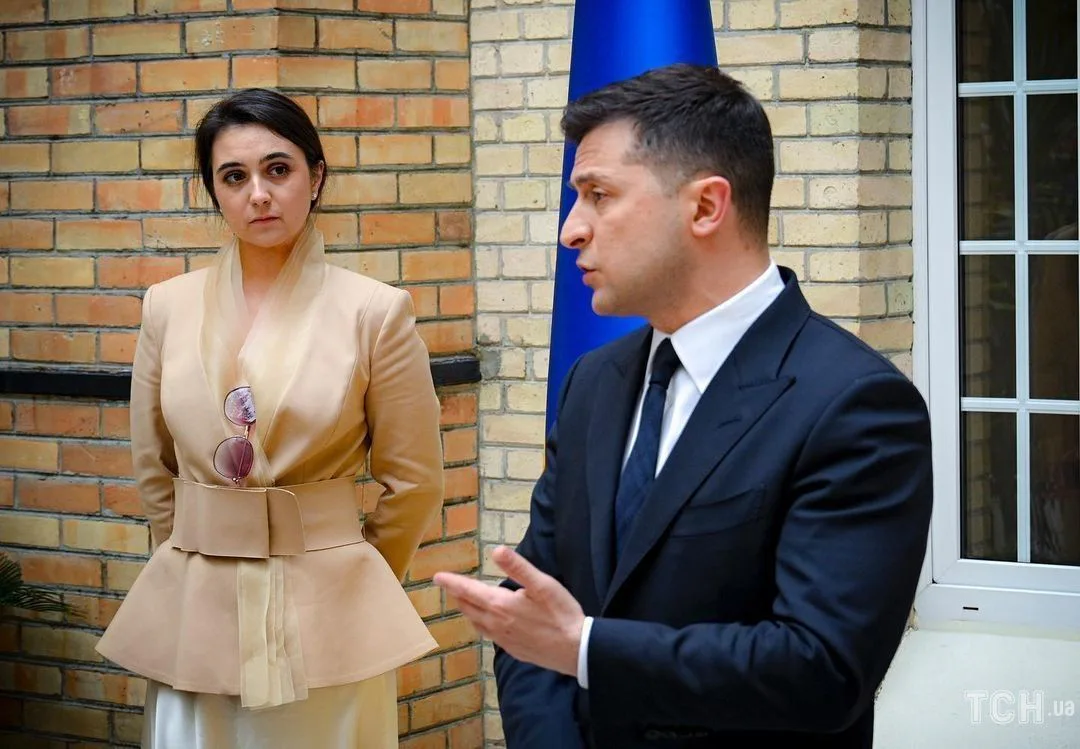
The president reported that additional deliveries under the initiative are planned by the end of the year and expressed confidence in the possibility of continuing assistance next year. In addition, the talks covered the situation on the front and specific operations that affect international support.
“There is potential to supply Ukraine with shells next year as well. We must implement all the important initiatives.”
— Volodymyr Zelensky, President of Ukraine
Why it matters for the front lines
Ammunition is not jargon, but a lifeline for operations. Stable supplies make it possible to plan not only tactical raids but also larger operations that change the balance of forces. An example — the operation in Kupiansk, which Zelensky mentioned as an illustration that battlefield gains strengthen Ukraine's diplomatic arguments.
The political factor in the Czech Republic
At the same time, the initiative faces internal turbulence in Prague. In July and September, Andrej Babiš publicly promised to cancel the program if he returned to power; former Prime Minister Fiala called a possible cancellation a mistake. In early November, the candidate for foreign minister, Turek, also suggested that aid could be suspended after the formation of a new government. This political uncertainty is a real risk to the predictability of supplies.
What this means for Ukraine and its partners
A rational approach: turn political declarations into legally and logistically linked contracts, diversify sources, and build up your own stockpiles within allied programs. Defense experts and several think tanks have already emphasized that initiatives combining state guarantees and industrial capacity work better than single, standalone solutions.
Conclusion
The Czech initiative has already made a tangible contribution to Ukraine's combat capability — 1.8 million shells this year — and has a chance to become part of a sustainable supply chain in 2026. However, everything depends on whether political intentions can be turned into formalized agreements. Now it's up to the partners: declarations must be turned into signed contracts and clear logistics so that what was received this year can be scaled up further.