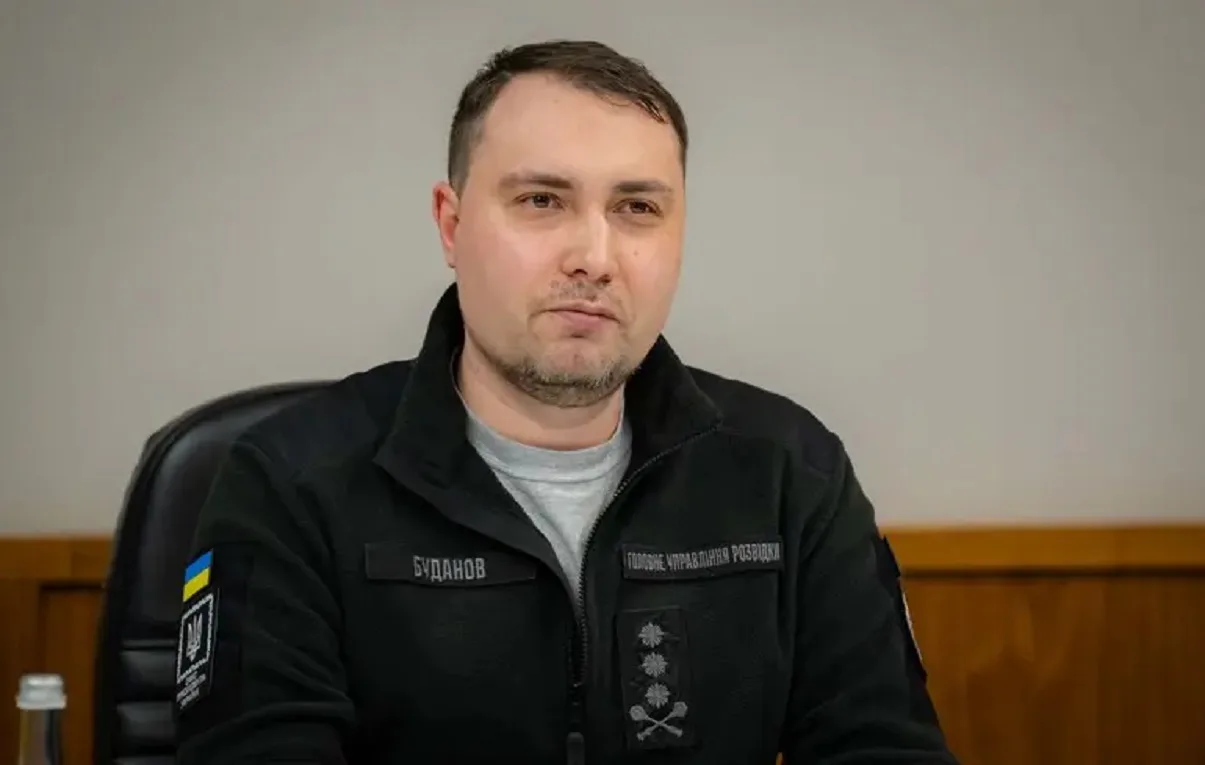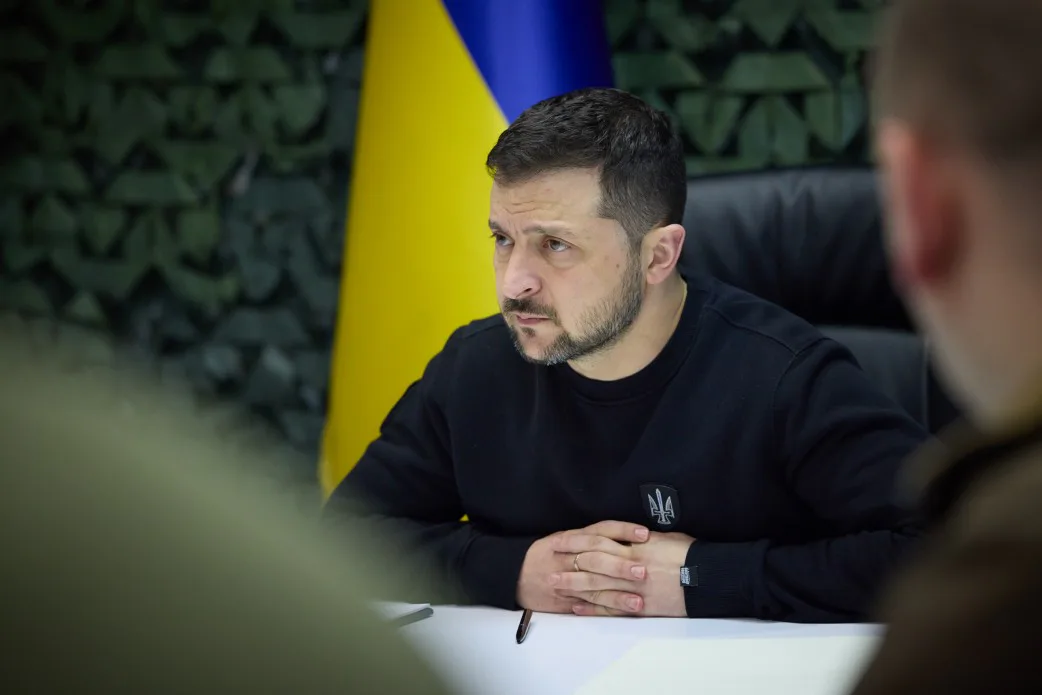
Five people injured, a fire on the roof of a non-residential building in Shevchenko District, and a Russian drone hitting the central SBU building on Volodymyrska Street — within hours, Kyiv received a strike that could hardly be called random. According to President Volodymyr Zelensky, the drone was not simply flying towards the building, but directly into the office of the SBU chief.
This distinction explains everything. One thing is a strike on a residential area or energy facility, where the goal is obvious: to exhaust the infrastructure and people. Another is a targeted hit on a specific office of a specific agency across from Sophia Cathedral, in the very heart of the historical center of the capital.
Why right now
The strike on the SBU occurred against the backdrop of a prolonged pause in any substantive negotiations and another wave of massive attacks on Ukrainian cities. In this logic, a symbolic target serves a purpose that no factory or substation would: it speaks the language of threats addressed not so much to the army as to political leadership and society.
The SBU is not a random address. The service investigates collaborators, sabotage networks, and intelligence agents, and its leadership regularly reports on neutralizing Russian intelligence operations right in Kyiv. A strike on the head of the agency's office is a message: anyone can be reached, regardless of security and status.
Who benefits from this demonstration
For the Kremlin, such an attack accomplishes several tasks at once. First, it undermines the sense of security in central Kyiv — an area typically associated with enhanced air defense coverage and the presence of key state institutions. Second, it provides Russian domestic audiences with a picture of a "strike on the enemy's special services," which is easy to present as a tactical success, regardless of actual consequences.
Third, and this is politically most important, a strike on a symbolic target on the eve of or during any diplomatic contacts always works as an argument of "force," intended to undermine Kyiv's and its partners' willingness to speak from a position of stability. The louder the symbol, the fewer real military results are needed to achieve a political effect.
Response and its dual purpose
Zelensky announced that he instructed SBU Chief Oleksandr Pokład to prepare a response — "adequate, tangible, and if possible, mirror-like."
Our military will support this response. Glory to Ukraine!
This statement has two addressees simultaneously. External — to Moscow, as a signal that symbolic strikes will not go without a mirror-like reaction. Internal — to Ukrainian society, which after each such attack in the center of the capital asks an uncomfortable question: how did the drone even reach the building of the special services across from one of the most heavily guarded facilities in the country.
What opponents will say
This very question, rather than rhetoric about a "mirror-like response," will become the main subject of criticism from opposition voices and part of the expert community. For years, state funds have gone into strengthening the air defense of the capital, and each hit in central Kyiv is an argument for those demanding a public report: how many defense systems actually work over the government quarter and why symbolic facilities remain vulnerable.
On the other hand, critics of excessively harsh "mirror-like" rhetoric warn of the risk of an escalatory spiral, where each response becomes a pretext for the next retaliatory strike. This is a classic wartime dilemma: a silent response is read as weakness, a loud one as a promise that will need to be fulfilled without miscalculation.
The question now is simple and concrete: will this attack remain a single episode of information warfare, or will it be the first sign of a series of strikes on symbolic addresses in central Kyiv, designed to test the limits of endurance — both of society and of the air defense system that was supposed to protect them.