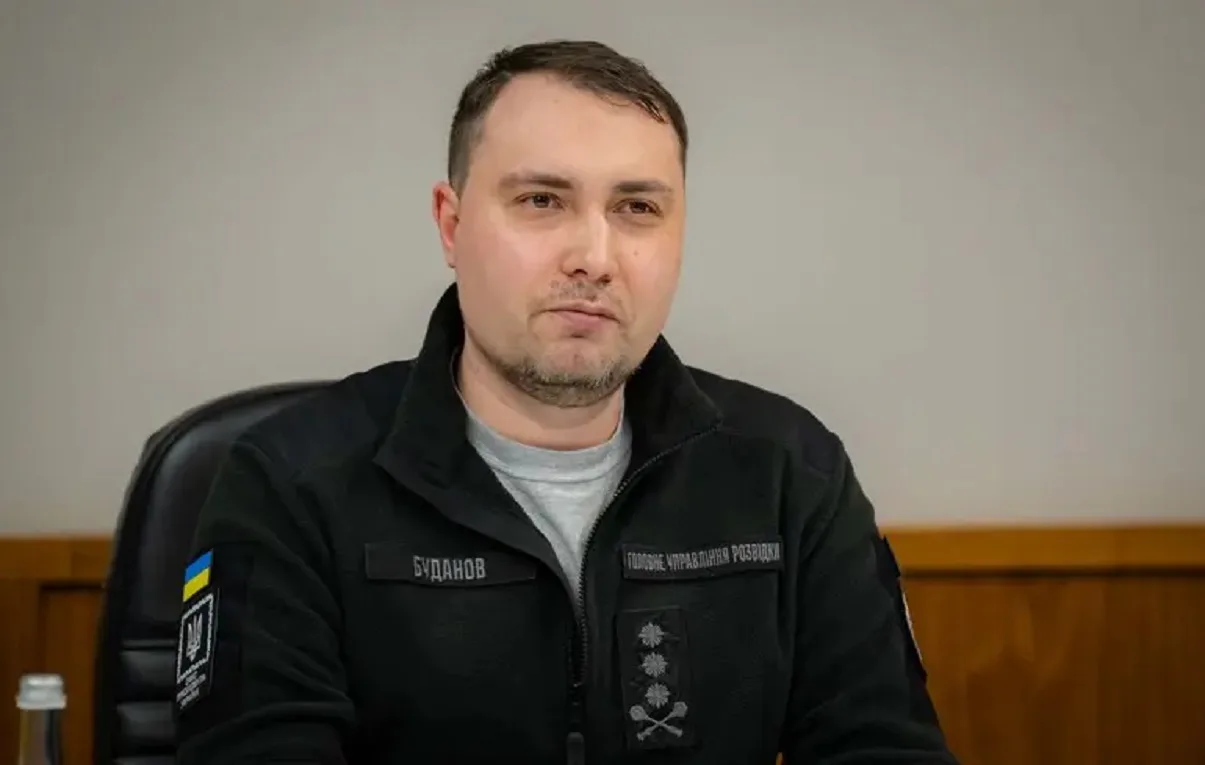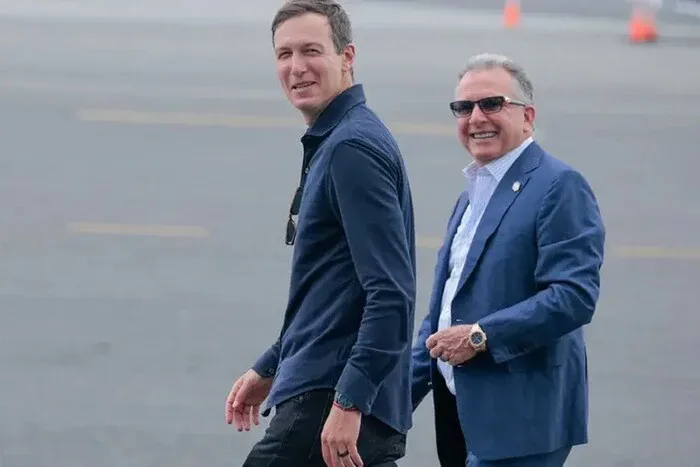
Zelensky spoke about it in a matter-of-fact tone — as if discussing a routine work schedule:
But behind this phrase lies the first visit by Trump's two main negotiators directly to the Ukrainian capital since the full-scale war began."Today it has been clearly determined that American representatives will be in Ukraine in the coming days and will be in Russia... We discussed today that Steve Witkoff and Jared Kushner will visit Moscow and on Sunday will visit Kyiv"
Why now
Formally, the dates have already been announced: Witkoff and Kushner will depart on Friday, hold talks with Russian President Vladimir Putin in the Kremlin on Saturday, and then meet with Ukrainian President Volodymyr Zelensky in Kyiv on Sunday. But the fact of the trip itself is the result of months of hesitation, not a sudden decision.
Negotiations mediated by the Trump administration have essentially been stalled since winter: talks between Russia and Ukraine with Trump administration mediation were suspended in mid-February, following the start of the war with Iran. Since then, Witkoff and Kushner have switched to other crises, while Ukrainian diplomacy has been left without a direct channel to the White House at the highest level.
The impetus came not from public diplomacy, but from behind-the-scenes intelligence work. The visit by Trump's special representatives takes place 10 days after CIA Director John Ratcliffe met with Russian intelligence and security service leaders in Moscow, trying to determine whether Russian intelligence could convince Putin to pursue diplomacy to end the war. In other words, the decision to go matured not in negotiating rooms, but in the offices of intelligence services.
At the same time, the date and route were coordinated long and nervously. Ukrainian and American officials say they discussed the Kyiv visit for months, and in recent days it has been repeatedly canceled and renewed for various reasons, until the parties settled on this weekend.
Who benefits
For Trump, this is a chance to show movement where there has been stagnation so far — after a pause caused by Iran, any activity on the Ukrainian front looks like a return of initiative. For Zelensky — this is an opportunity to have a direct conversation with the negotiators, rather than receiving information about agreements after the fact from Moscow, as has happened before. Notably, political commentator Igor Petrenko describes it this way in a column for "Glavkom": for the first time since spring, in this round Kyiv is participating not as a capital being informed after Moscow, but as a party with its own leverage, the value of which the mediator has already felt.
Ukraine, for its part, is demonstrating goodwill before talks even begin — Zelensky promised
and emphasized that there will be no strikes from Ukraine's side during the visit logistics. This is simultaneously a gesture and a test: will Moscow respond with mirror silence, as Kyiv demands."normal functioning of Russian airspace so that negotiators could arrive safely"
Reaction from opponents
The most telling reaction is not denial, but silence. The Kremlin has not officially confirmed even basic details. The Kremlin stated on Friday that the possibility of a peaceful settlement in Ukraine remains, but currently there is no concrete basis for this, refusing to confirm whether American negotiators Steve Witkoff and Jared Kushner will indeed visit Moscow in the coming days. Spokesman Peskov confined himself to an evasive
"I would not make any statements for now, but we will inform when these contacts take place"
Even more interesting — behind the scenes there are signs that Moscow does not want to see Americans in Kyiv specifically. According to a source familiar with the situation, the Russians do not want them to come here, to Kyiv, and Witkoff has always been sensitive to sentiment in Russia. That is why part of the trip has remained in question, and the route and timeline have changed literally in recent days.
There is also another line of resistance — not from the Kremlin, but from critics of the negotiators themselves. Witkoff and Kushner are criticized for excessive concessions to Putin and naivety in presenting the Kremlin's positions, particularly for arguing in favor of Ukraine ceding territory as a way to end the war. This is the reputation with which they travel to Kyiv — and which the Ukrainian side is certainly taking into account when preparing the meeting agenda.
What's next
If Sunday passes without disruptions and without a new package of rocket strikes on Kyiv on the eve of the meeting, it will be the first signal in six months that the negotiation channel is genuinely being restored, rather than simply receiving a new date on the calendar. If Moscow delays or limits the format again — the question should be asked not to Zelensky, but to Witkoff himself: is he ready to bring to Kyiv something more concrete than a promise to "see what they say in Moscow".