What is happening
Since the beginning of 2026 the enemy has stepped up operations in the Pokrovsk agglomeration. According to the 7th Rapid Response Corps of the Air Assault Forces, in the Mirnograd area as of 5 January a tense situation remains: the Russians have conducted continuous assault actions for two days, predominantly at night.
Enemy tactics
As frontal attacks do not produce a breakthrough, the enemy is changing its approach: attempting to bypass defenses through Hryshyne and Rodynske, employing small assault groups (6–8 people) and using light motorized vehicles and buggies. Over two days the enemy lost more than 30 fighters and about 10 units of light equipment, the Air Assault Forces report.
Defense Forces' operations
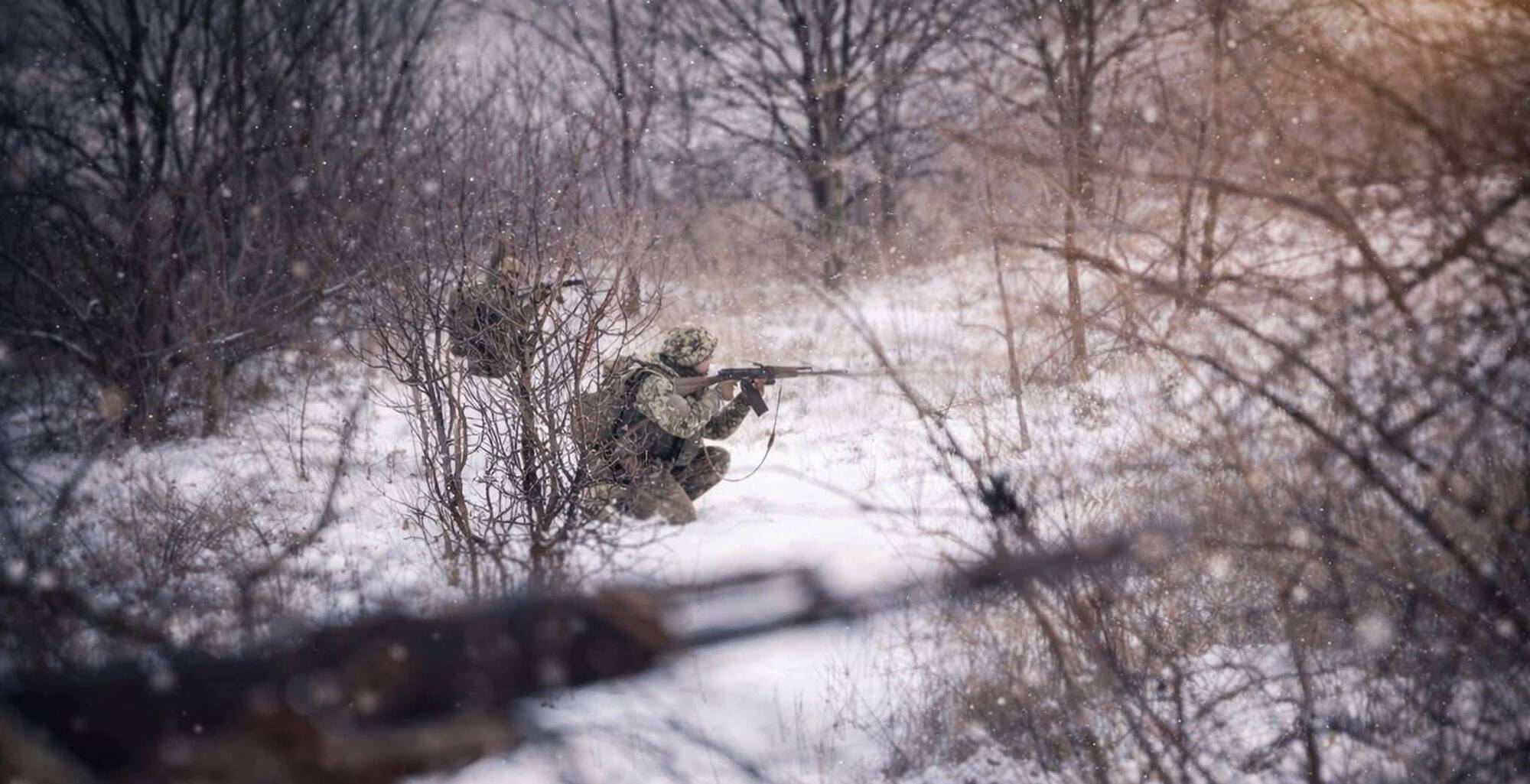
The Defense Forces detect movements in time and strike the groups. In the Mirnograd area the 7th Rapid Response Corps of the Air Assault Forces together with the 14th Operational Assignment Brigade of the National Guard “Chervona Kalyna” are concentrating efforts on controlling the northern part of the city, holding back pressure in the central area and preventing the enemy from advancing from the south.
“On the eastern outskirts of Mirnograd the enemy is attempting to consolidate; however, the Defense Forces control the situation”
— 7th Rapid Response Corps of the Air Assault Forces
Regional context and consequences
The State Border Guard Service reports that the most intense attacks are also being recorded in Sumy and Kharkiv oblasts, and to a lesser extent in Chernihiv. On the Kupiansk axis the enemy attempted to advance along the “Soyuz” pipeline — according to the State Border Guard Service, about 40 out of 50 attackers were neutralized during that operation.
Why this matters: the enemy is trying to change tactics to find vulnerable sections of the defence. At the same time, the results of counterattacks and intelligence work show that the Defense Forces are capable not only of containing the threat but also of inflicting losses that complicate further attempts to advance.
Now the outcome depends on logistics and supplying front-line units: whether there will be enough material and intelligence resources to turn temporary containment into long-term stabilization of the front is the key question for the coming days.





