What happened
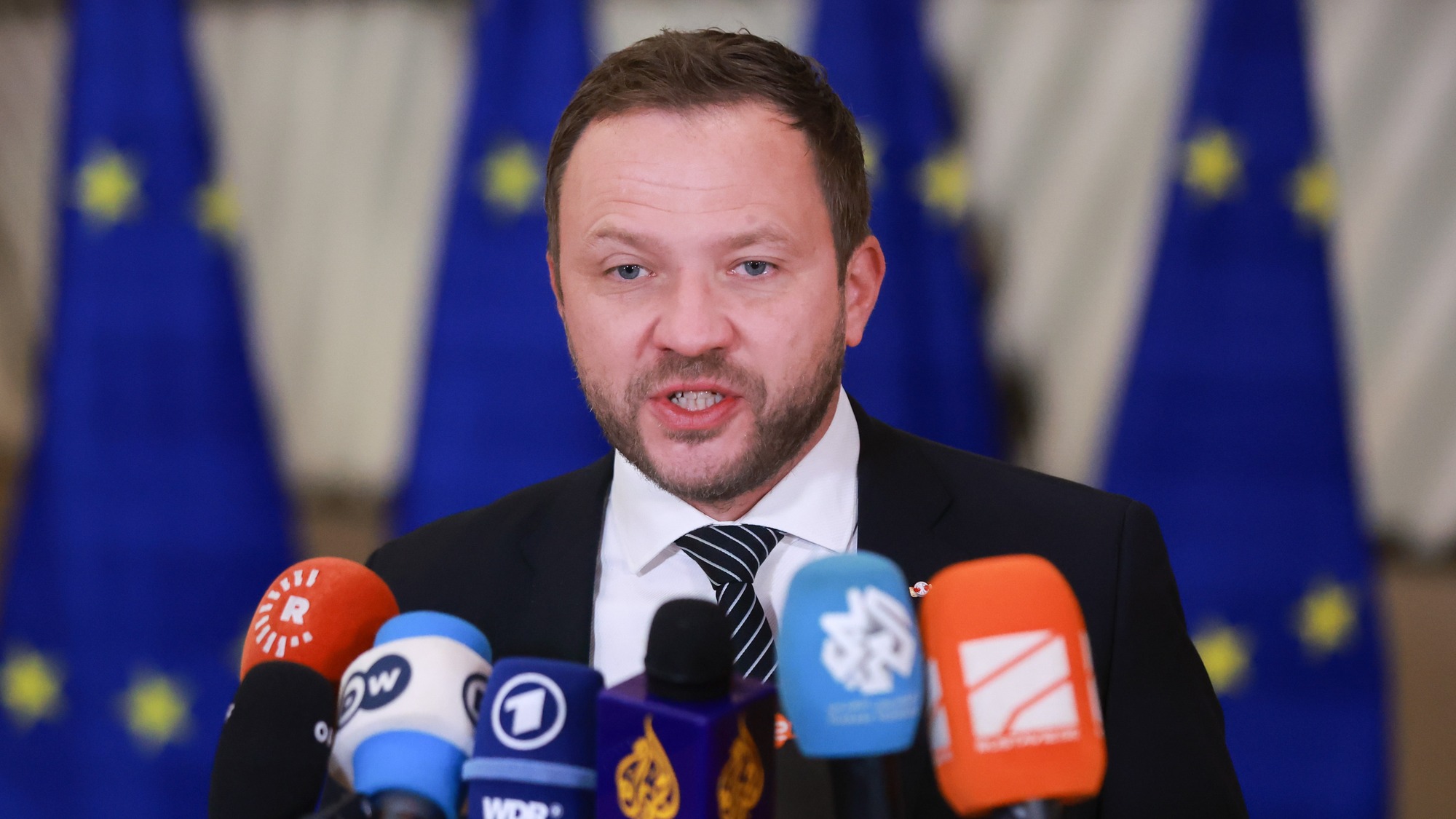
According to ERR, Estonia’s foreign minister Margus Tsahkna said on ETV that the country is not opposed to hosting allies’ nuclear weapons if NATO deems it necessary as part of defence plans. He added that Tallinn has no internal doctrine that would automatically ban such a step.
"We are not opposed to the deployment of nuclear weapons on our territory. We do not have a doctrine that would exclude this if NATO deems it necessary..."
— Margus Tsahkna, Estonia’s foreign minister
Context: where this fits
This statement came amid reports about European talks on nuclear deterrence: at the end of January 2026 it emerged that Sweden is negotiating with France and the United Kingdom over a so‑called "nuclear umbrella," and Bloomberg wrote about preparations for a separate European nuclear deterrence system independent of the United States.
Why this matters (for Europe and Ukraine)
- Rebalancing deterrence along the borders. The presence of potential nuclear sites in the Baltics changes the balance of deterrence on NATO’s eastern flank.
- Political signalling. Open consent from NATO members located close to Russia strengthens the message that the Alliance is ready to defend the eastern flank.
- Risks of escalation. The deployment of weapons of this scale would complicate diplomatic dynamics with Moscow and require clear legal and technical coordination.
- For Ukraine. Enhanced nuclear deterrence in the region could potentially raise overall security, but it does not replace the need for conventional defence capabilities and guarantees on restoring territorial integrity.
What to expect next
A decision on deployment is a politically and technically complex process. It involves agreement within NATO, consultations with allies, and infrastructure and legal issues. It is unlikely to be an impulsive decision: this concerns long‑term guarantees and procedural steps.
Conclusion
Tsahkna’s statement is an indicator of a shift in the European security debate toward more pragmatic, sometimes unpopular deterrence measures. For Ukraine, the key question is not only whether new weapons will appear on the map, but how these steps will affect the real ability to defend borders and accelerate political security guarantees. The ball is now in the allies’ court: will words turn into concrete agreements, and how will that change the balance of power in the region?
Sources: ERR, Bloomberg.





