What happened
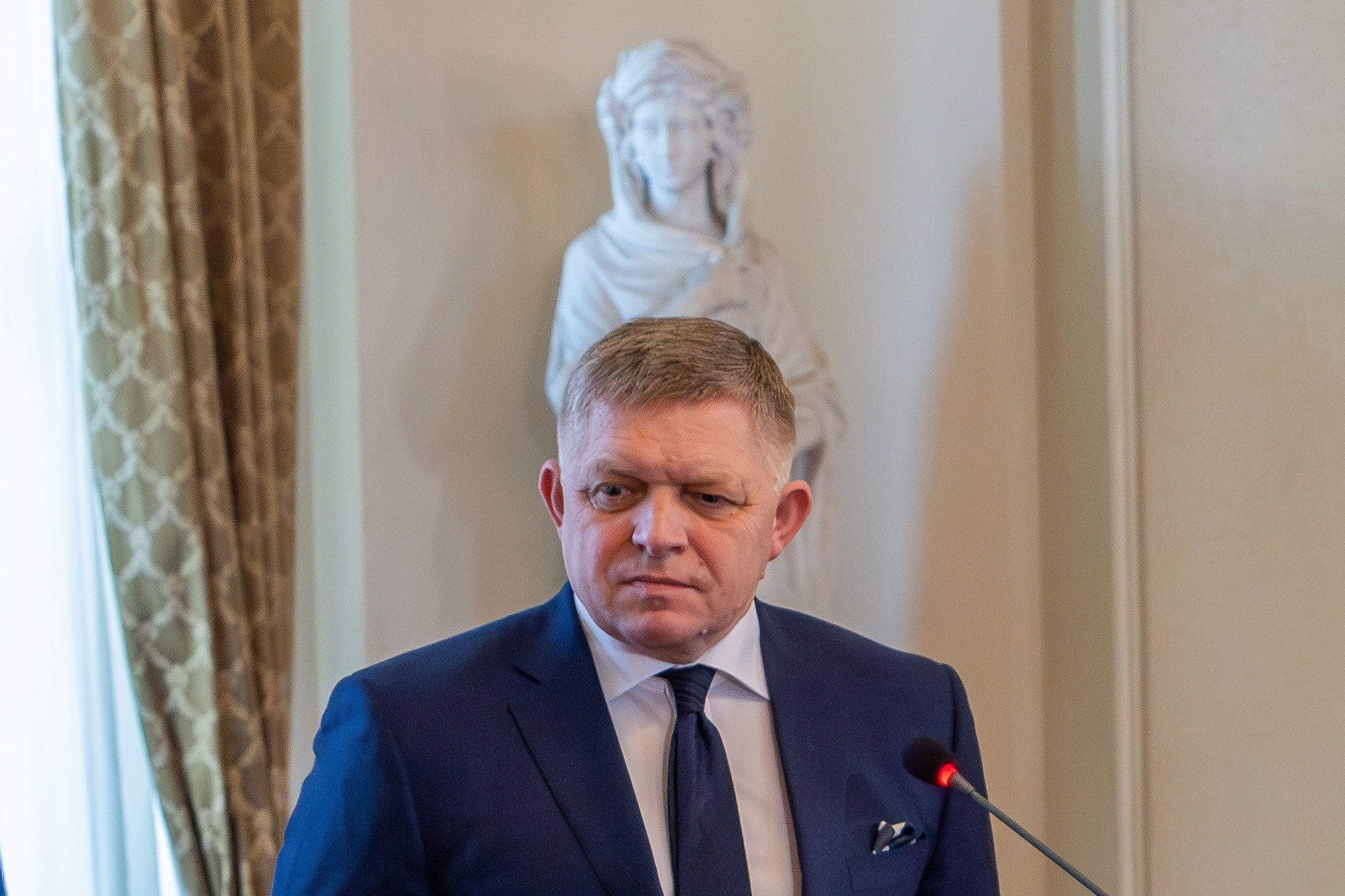
Slovak Prime Minister Robert Fico said in a video address that Bratislava may follow Hungary and block a €90 billion financial support package for Ukraine. He links this to Kyiv’s decision to halt the transit of Russian oil through the "Druzhba" pipeline and is critical of the actions of the Ukrainian authorities.
"The €90 billion loan from the EU is supposedly not a loan, but an ordinary gift"
— Robert Fico, Prime Minister of Slovakia
Why this matters for Ukraine
This is not just a diplomatic spat. Blocking at the level of national governments threatens regular financing that covers both social spending and procurement for the defence sector. For every Ukrainian, this is a question of budget stability and the state's ability to withstand the burdens of war.
Context: "Druzhba", supplies and alternatives
Budapest and Bratislava claim the "Druzhba" pipeline is undamaged and point to satellite imagery. Kyiv, however, says repair crews are being shelled, so restoring transit now is too risky. In response, Hungary and Slovakia have already restricted diesel exports to Ukraine; Bratislava has also temporarily halted emergency electricity supplies.
Kyiv has offered partner governments alternative supply routes that do not depend on Russian feedstock, but the issue remains politically sensitive.
Diplomatic dimension and the EU response
On March 10 Fico is due to meet in Paris with European Commission President Ursula von der Leyen, where he plans to insist on access to the site of the damage and to present his own technical arguments. In Brussels, officials are seeking mechanisms that would reduce the influence of one or two capitals on pan-European aid — a "Plan B" on financing has already been written about by LIGA.net and other outlets.
"Slovakia is ready to take over the baton from Hungary, if needed"
— Robert Fico, Prime Minister of Slovakia
What will change and options for Ukraine
There are several scenarios: diplomatic concessions (partial restoration of transit or independent inspections), political bargaining ahead of elections in Hungary, or finding procedures in Brussels that minimize individual countries' veto power. For Ukraine it is important to work on two fronts — to demonstrate the technical justification for its decisions and simultaneously seek guarantees of funding that are independent of unilateral blockages.
Conclusion
Fico’s statements are a pressure tool that combines energy vulnerability with political aims. Analysts note that the key issue is not only the technical condition of the "Druzhba" pipeline, but whether these statements will turn into actual blocks on funding. The ball is now with partners in the EU: will they be able to decouple the necessary aid from the political calculations of individual capitals?





