In short — what happened and why it’s worth knowing
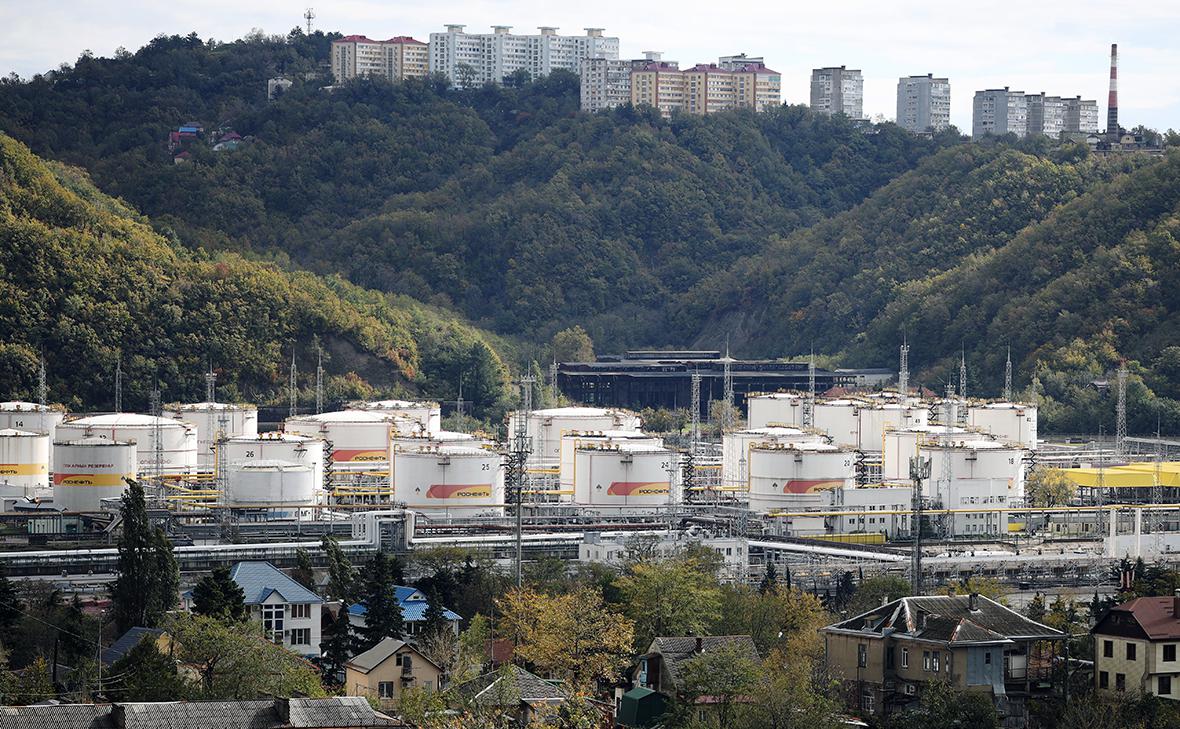
On the night of December 31, the Main Directorate of Intelligence of the Ministry of Defence of Ukraine (HUR), together with the State Border Guard Service, carried out a strike on facilities in the Tuapse area (Krasnodar Krai). According to LIGA.net, the "Tuapse" marine oil terminal and parts of the Tuapse oil refinery were hit, in particular the AVT‑12 primary processing unit, as well as pipelines and loading equipment.
What exactly was damaged
According to a source in military intelligence, the targets were key elements of the plant's and terminal's infrastructure that enable processing and loading of petroleum products:
"The AVT‑12 primary oil processing unit, transport pipelines and the loading equipment of the oil terminal were struck"
— A source at HUR, LIGA.net
Before the attack, the Tuapse refinery had a capacity of about 12 million tons of oil per year, which made it an important element of fuel supply for the economy and, in part, for the Russian military‑industrial complex.
Reaction from the Russian side
Russian regional authorities confirmed the drone attack and a fire: they report damage to one of the berths in the port and equipment at the refinery.
"As a result of the UAV attack, one of the port's berths and equipment at the refinery were damaged"
— Authorities of Krasnodar Krai, regional reports
Warning: the available video contains profanity.
Context — part of a systematic campaign targeting infrastructure
This operation fits into a series of attacks on Russia's oil refining infrastructure in recent days — on December 25 Ukrainian aviation struck the Novoshakhtinsk oil products plant in Rostov Oblast (a Storm Shadow strike), and on the night of December 28 the Syzran refinery in Samara Oblast. Analysts point to the sequence of strikes: the aim is not only to temporarily put individual sites out of operation, but also to create persistent logistical risks for the accumulation of fuel reserves.
- December 25 — strike on the Novoshakhtinsk oil products plant (Rostov Oblast).
- December 28 — damage to the Syzran refinery (Samara Oblast).
- December 31 — Tuapse: terminal and AVT‑12.
Why this matters for Ukraine and for the front
A strike on refineries and terminals does more than hit facilities: it hits the supply chain the enemy uses to move fuel to the front. Less available fuel means more complicated logistics, higher costs for redistributing reserves and additional expenses for detours and repairs. This is a strategic effect with lower risk to Ukraine's own ground units.
Consequences and outlook
Short term: local disruptions to the terminal and refinery operations, fires and the need to assess damage. Medium term: if the series of attacks proves systematic and ongoing, it will put pressure on Russia's fuel reserves and increase infrastructure repair costs. Experts emphasize that the effect will depend on how quickly throughput capacity and regional reserves can be restored.
Next is a matter of confirmations: Ukrainian intelligence has voiced its version, regional Russian services theirs. Independent assessments of the damage and timelines for restoration will be key to understanding the real impact of the operation.
Final questions
Can the series of strikes on refineries become a systematic tool to limit the enemy's resources — and how quickly can Russia compensate for these losses? Answers to these questions will determine the effectiveness of frontline logistics in the coming months.





