What happened
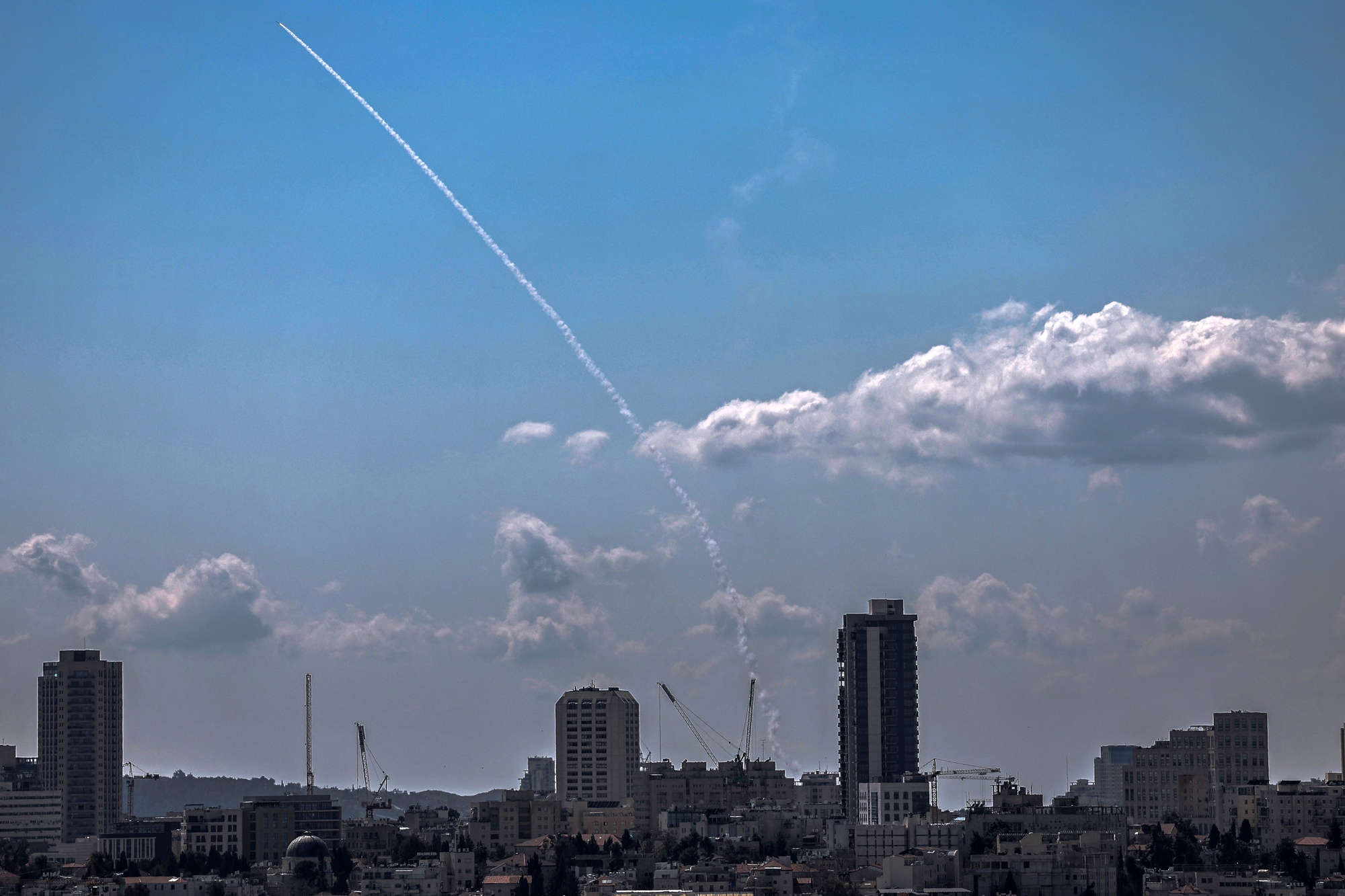
According to The Wall Street Journal, over the course of several days Iran launched hundreds of strike drones at countries in the Persian Gulf — striking airports, seaports, high‑rise buildings and military sites, including locations with a U.S. presence in the region. WSJ and Arab official sources provide specific estimates: for example, more than 500 launches against the UAE and hundreds against Kuwait and other countries.
Why it works
The key idea is the sheer numbers and ease of production. Light and relatively inexpensive UAVs are harder to intercept with systems designed for single missiles or heavy drones. In addition, combined strikes (drones plus missiles) can overload and suppress air defenses, creating a state of "saturation."
"Their main advantage here is that mass production is relatively simple and efficient, and they can launch them from both sea and land"
— Denny Citrinovich, former Israeli military intelligence officer, senior research fellow at the Tel Aviv Institute for National Security Studies
Geopolitics and economics: consequences for the world
Such attacks have a double effect: first, they cause physical damage and casualties — WSJ cites confirmed fatal cases in the region. Second, they undermine confidence in the security of transport corridors and energy markets, which has already caused disruptions in logistics and put upward pressure on oil prices. Analysts assess that this is part of a strategy to pressure the United States' allies in the region.
"Iran watched how Russia used the same tactics over four years"
— Samuel Bendett, advisor in the Strategy, Policy, Plans and Programs division at the CNA think tank
What it means for the Persian Gulf states — and for Ukraine
Iran's proximity to the targets reduces reaction time, so regional states have been pressured to modernize their air‑ and counter‑drone capabilities and strengthen intelligence sharing. Analysts point to the need for a multi‑layered defense that combines radar systems, electronic warfare means, and effective interceptors.
For Ukraine this trend has two important components. First, our defense experience in fighting massed drones over recent years has become a practical asset — both in tactical approaches and in solutions for protecting critical infrastructure. Second, demand is growing for technologies and training where Ukrainian specialists can offer combat‑proven expertise.
Conclusion
Mass drone strikes are not only a new kind of threat but also a test of international security cooperation. WSJ documents a tactical transmission of practice among actors (Iran — Russia — the region), and for us it is important to turn our combat experience into concrete technological and political proposals for partners. Whether the world has the political will and resources to broadly close the "vulnerable points" of global infrastructure is the key question for the coming months.





