What Bloomberg reported
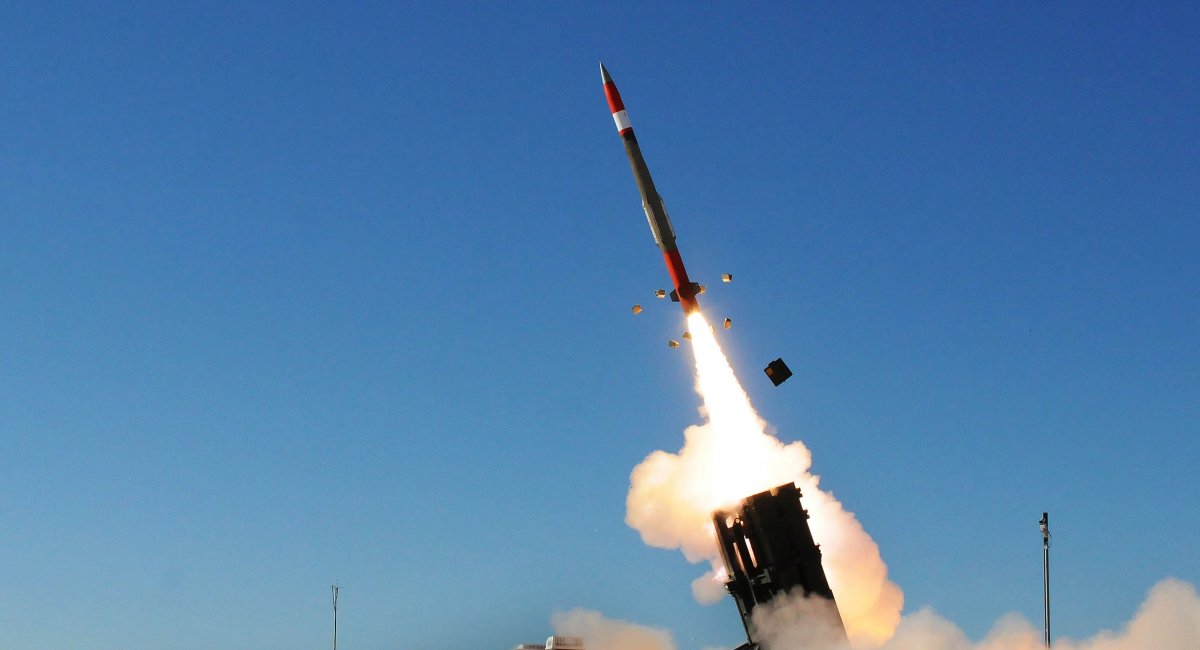
Agency Bloomberg, citing an internal analysis of a Middle Eastern state, writes that Qatar has interceptor missiles for the Patriot system left for roughly four days at the current rate of use. The Patriot is one of the few Western systems capable of shooting down ballistic targets with PAC-3 missiles — the same modules used in Ukraine to protect civilian and military facilities.
Quick facts
According to Bloomberg, the United Arab Emirates (UAE) has also turned to allies for help with medium-range air defenses, while Qatar has requested support against drones, which recently have caused more damage than ballistic threats. At the same time, the piece says regional leaders are trying to press allies to hasten a political resolution to the conflict in the interest of quickly reducing combat activity.
"Kyiv has not received signals from partners about cutting deliveries of American weapons under the PURL program... However, we understand that the intensity of hostilities in the region will affect the supply of air defense systems."
— Volodymyr Zelensky, President of Ukraine
Why this matters for Ukraine
The explanation is simple: there is a limited global supply of high-tech interceptors. When partners redirect resources to protect their own critical infrastructure, competition for the same limited stocks emerges. For Ukraine, this means a risk of delays in deliveries or a need to shift to other systems and solutions.
Consequences and risks
Even a short-term reduction in the pace of deliveries has three effects: first, fewer missiles in the air defense line — greater vulnerability to massed strikes; second, production cycles for PAC-3 and related components are long — you cannot switch them to "full capacity" instantly; third, political logistics (who gets priority) are determined not only by military need but also by allies' geopolitical priorities.
How regional players are responding
According to Bloomberg, because of the strikes Qatar has suspended part of its liquefied natural gas production, and the UAE are already seeking help with medium-range air defenses. This shifts supply priorities and increases political pressure on Washington and other suppliers.
What Ukraine and its partners can do
The options are clear and practical: speed up production and deliveries where possible; diversify sources — both technical and logistical; expand training and repair capacities to make more effective use of existing missiles; and push political agreements that turn declarations into concrete contracts. The Ukrainian initiative — a proposal to send counter-drone specialists to the region — demonstrates that our country can offer expertise that has real practical value in a crisis.
Conclusion
This news is not so much about one ally or just a few days' worth of stocks. It is a test of the resilience of global supply chains for high-tech air defenses and of partners' ability to turn political guarantees into concrete deliveries. The question to ask now is: will there be enough international coordination to choose collective security over local priorities?





