Introduction — brief and important
Money loves silence: in February the general fund of the state budget received 93 billion UAH — 7% more than planned (+6.1 billion UAH). The figure is not flashy, but it gives public-sector employees and defense additional room to operate amid economic uncertainty.
What happened: numbers and breakdown
Execution was reported by the acting head of the State Tax Service, Lesia Karnauch. Compared with February 2025, receipts increased by 14.2 billion UAH (18%). Key indicators for the month:
Personal income tax (PIT) — 32.2 billion UAH (105.6% of plan); corporate income tax — 13.9 billion UAH (105.4%); VAT — 24.3 billion UAH (107.5%) with 16.2 billion UAH compensated; rent payments — 6 billion UAH (143.9% of plan).
"Thanks to this overperformance in February, it was possible to reduce the January shortfall. Overall, for the two months of this year, execution of the state budget's general fund stands at 99.4%."
— Lesia Karnauch, acting head of the State Tax Service
Why it matters
February's overperformance partially offset the January shortfall (in January the state budget received 8.2% less than planned). In practice this means less pressure on the deficit in the short term and a higher likelihood of timely payment of salaries, pensions and defense expenditures. For the government it is also a signal — a temporary relief, but not a reason to abandon spending discipline.
Context and risks
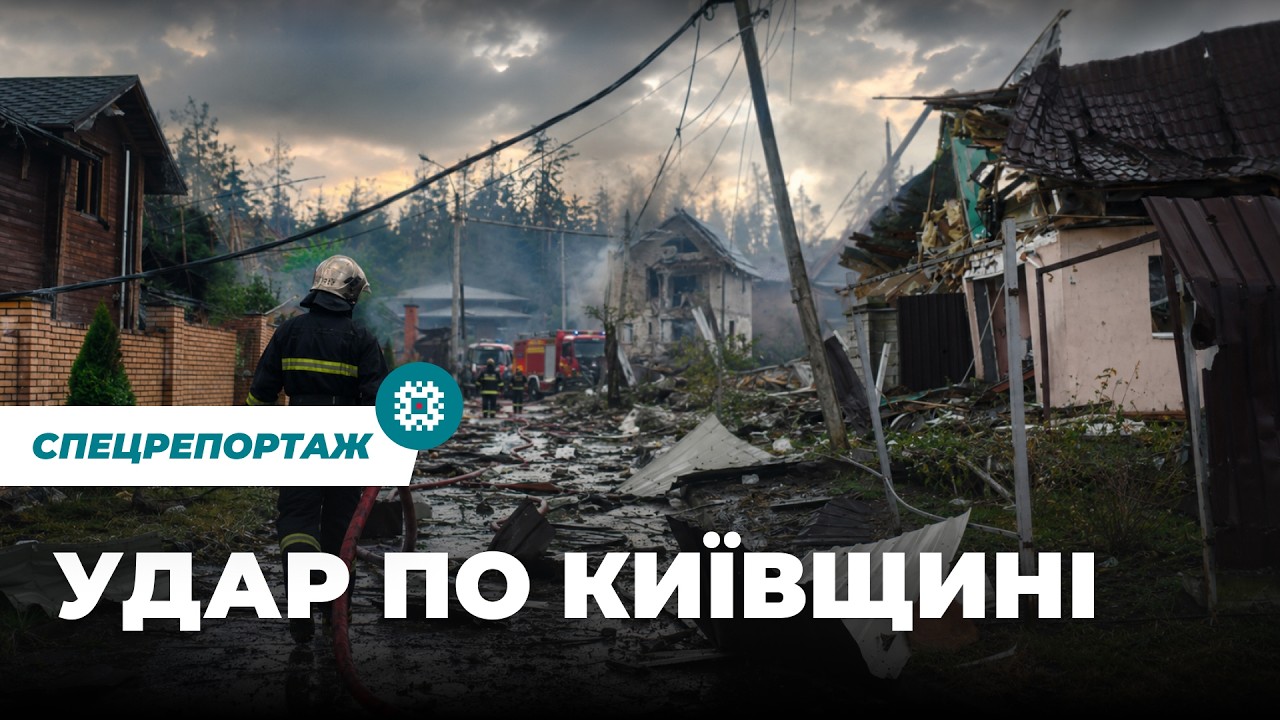
The National Bank has already lowered its GDP growth forecast for 2026 to 1.8%, citing Russian strikes on energy infrastructure. Economic dynamics remain vulnerable: even short-term power outages can slow production and reduce budget revenues. Analysts note that the strong pace of collection of rent payments may be cyclical and depend on prices and extraction activity.
What next?
Overperformance is good news, but it must become a sustained trend. That requires: reliable operation of tax infrastructure, protection of critical infrastructure from attacks, and steady support from international partners. The key now is to maintain the pace and not postpone decisions on stabilizing revenues and expenditures.
Brief conclusion
February's surplus provides a budget buffer and eases short-term payments, but does not remove systemic challenges. The government and partners must turn this overperformance into a basis for sustainable financial policy, not a temporary improvement in the balance.