Official decision and sources
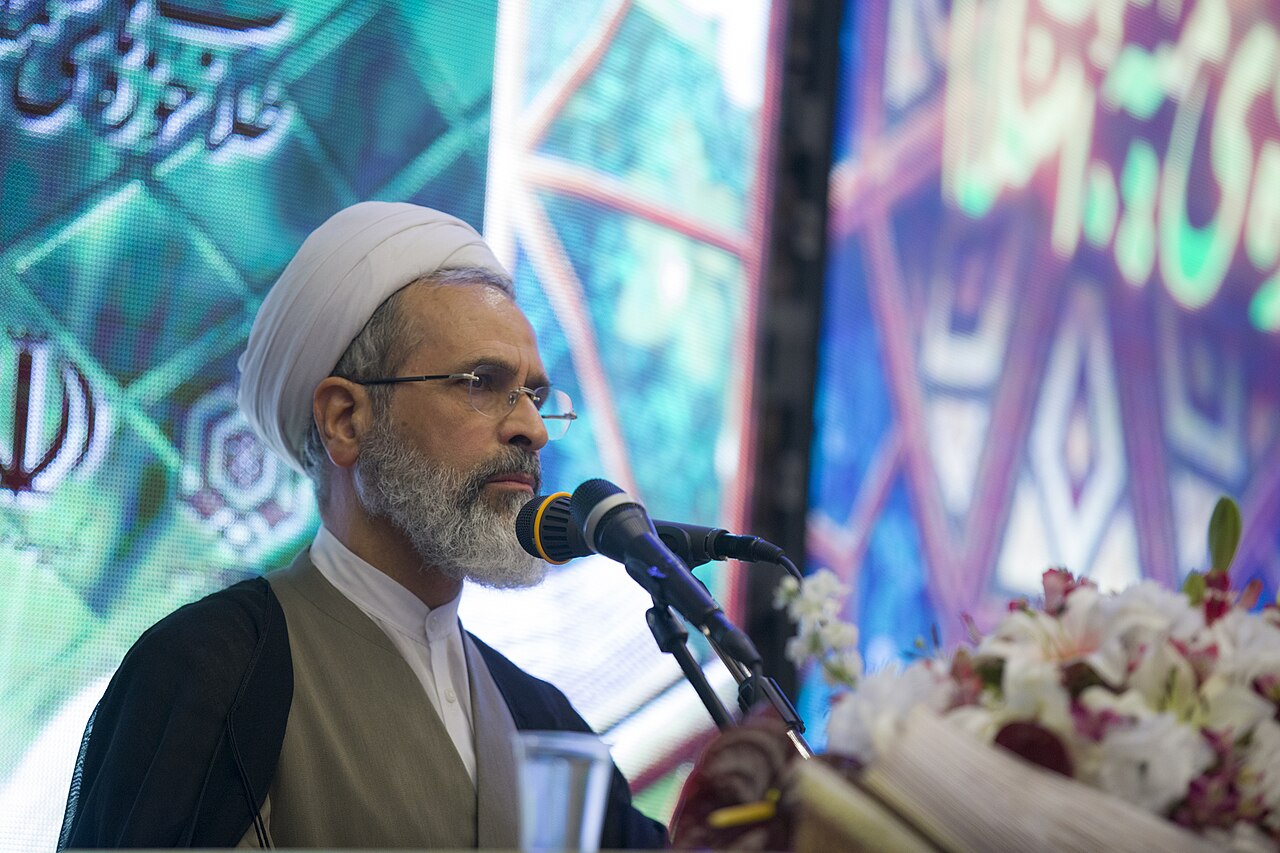
According to the Indian outlet India Today, citing the Iranian state agency ISNA, jurist Alireza Arafi has been appointed temporary Supreme Leader of Iran. The appointment was made in line with the constitutional mechanism that provides for the creation of a temporary leadership council until a permanent successor is elected.
"Alireza Arafi has been appointed temporary Supreme Leader of Iran following reports of the Supreme Leader's death."
— ISNA / India Today
Who is on the temporary council
The council that will perform the duties of the Supreme Leader during the transition includes: President Masoud Pezeshkian, Head of the Supreme Court Gholam-Hossein Mohseni-Eje'i, and a representative of the clergy from the Guardian Council. Under the constitution, this collegial body must coordinate the process of selecting a successor and ensure the functioning of state institutions during the transition period.
Changes in the IRGC
Iran's Islamic Revolutionary Guard Corps (IRGC) also reported a change in leadership after the death of its commander. According to Iranian state media, Ahmad Vahidi has been appointed the new head of the IRGC. The reshuffle reflects Tehran's desire to quickly restore managerial stability within its security structures.
Context: previous reports and strikes
Over recent weeks a number of foreign media outlets and investigations reported on preparatory plans by the Supreme Leader in case his life was threatened. In particular, Iran International wrote on 25 January about the leader being moved to an underground bunker, and the New York Times on 22 February reported documented scenarios for governing the country under emergency circumstances. According to reports, on 28 February strikes on the Supreme Leader's residence caused damage; later the same state sources reported his death.
Why this matters (and what it means for Ukraine and the region)
The leadership transition in Iran has a direct effect on regional security dynamics: changes at the top shape foreign policy, stances toward engagement with the US and Israel, and affect stability across the wider region. For Ukraine this is important because any major upheaval in large-scale Middle Eastern politics diverts international attention and resources, and can also alter routes and logistics of military‑political influence on the global stage.
What happens next
The temporary council has a limited timeframe: its task is to hold state institutions together and carry out the procedure for electing a permanent leader in accordance with the constitution. Analysts point to three key risks: internal competition among elites, rapid consolidation of security forces around new leaders, and escalation of external strikes or corresponding operations by other states.
While international media record the reshuffles and statements from government spokespeople, it is important to follow confirmed sources and assess not only the personnel but also the mechanics of decision‑making in Tehran. How quickly the region returns to a more predictable status quo—or enters a period of instability—will depend on that.





