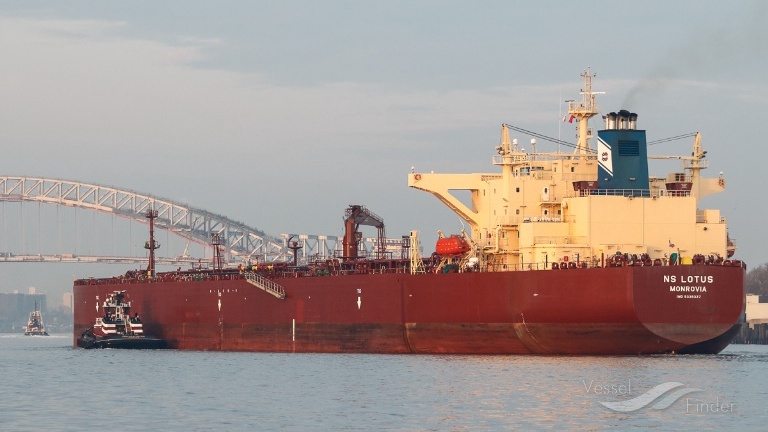
In high diplomacy, what matters are not loud statements but consistent steps that complicate the mechanisms financing the war. Canada announced the addition of another 100 vessels from Russia’s so‑called “shadow fleet” to its sanctions list — a decision that has a direct economic and strategic effect on the Kremlin and an indirect one for Ukraine’s security.
What was announced
Canada’s foreign minister, Anita Anand, reported an expansion of the list of vessels used to evade sanctions and transport crude oil. According to official data, more than 600 vessels from the “shadow fleet” are now under sanctions. The ministry’s statement emphasizes that the measures aim to limit Russia’s ability to finance its aggression while trying to minimize harm to the civilian population.
"Sanctions against Russia work because they constrain the Kremlin's financial resources."
— LIGA.net (analysis)
Why it matters
The shadow fleet is not only about ships: it is about a network of shipping routes, reflagging, insurance and banking channels that allow oil to be supplied while evading restrictions. Each additional vessel sanctioned complicates transport logistics and raises operational costs, thereby reducing Moscow’s net revenues from hydrocarbon sales.
In February 2026 Canada also adjusted price restrictions on oil in cooperation with partners — part of a comprehensive policy that combines sanctions, price controls and pressure on insurance and transshipment.
International context
Since 2014 Canada has already imposed sanctions on more than 3,400 individuals and organizations linked to violations of Ukraine’s sovereignty and human rights abuses. The latest moves follow the overall line of allies who are steadily trying to narrow the Kremlin’s financial window. At the same time, political decisions in other capitals sometimes change the picture: in March some restrictions on Belaruskali were lifted, and debates over specific oil sanctions took place in the US — all of which affect the effectiveness of coordination.
What this will change and what to expect
The practical effects of the sanctions are higher transaction costs, complications in insurance and access to ports and brokers. This is not an instant blow to budgets, but a systematic increase in the economic price of continuing the aggression.
At the same time, countermeasures are possible: ship rebranding, re-registration under neutral flags, or increased use of intermediaries. That is why coordination with partners, intelligence work and control over financial chains are important.
Canada has taken a step that strengthens the pan‑European strategy of pressure on the Kremlin. But the result will depend on whether allied declarations are turned into concrete control mechanisms — and how quickly that will be reflected in the aggressor’s revenues.
Now the move is with the partners: will they be able to force the Kremlin’s financial flows to slow down — and how quickly will that strengthen Ukraine’s security?





