Briefly
State Bureau of Investigation (DBR) has notified the deputy head of the Rivne Regional Territorial Recruitment Center (TRC) of suspicion. He is suspected of extorting bribes — including cars — in exchange for arranging deferments from mobilization. The official has been placed in custody with the possibility of bail set at 2.3 million UAH; the article’s penalty is up to 10 years in prison with confiscation.
What investigators documented
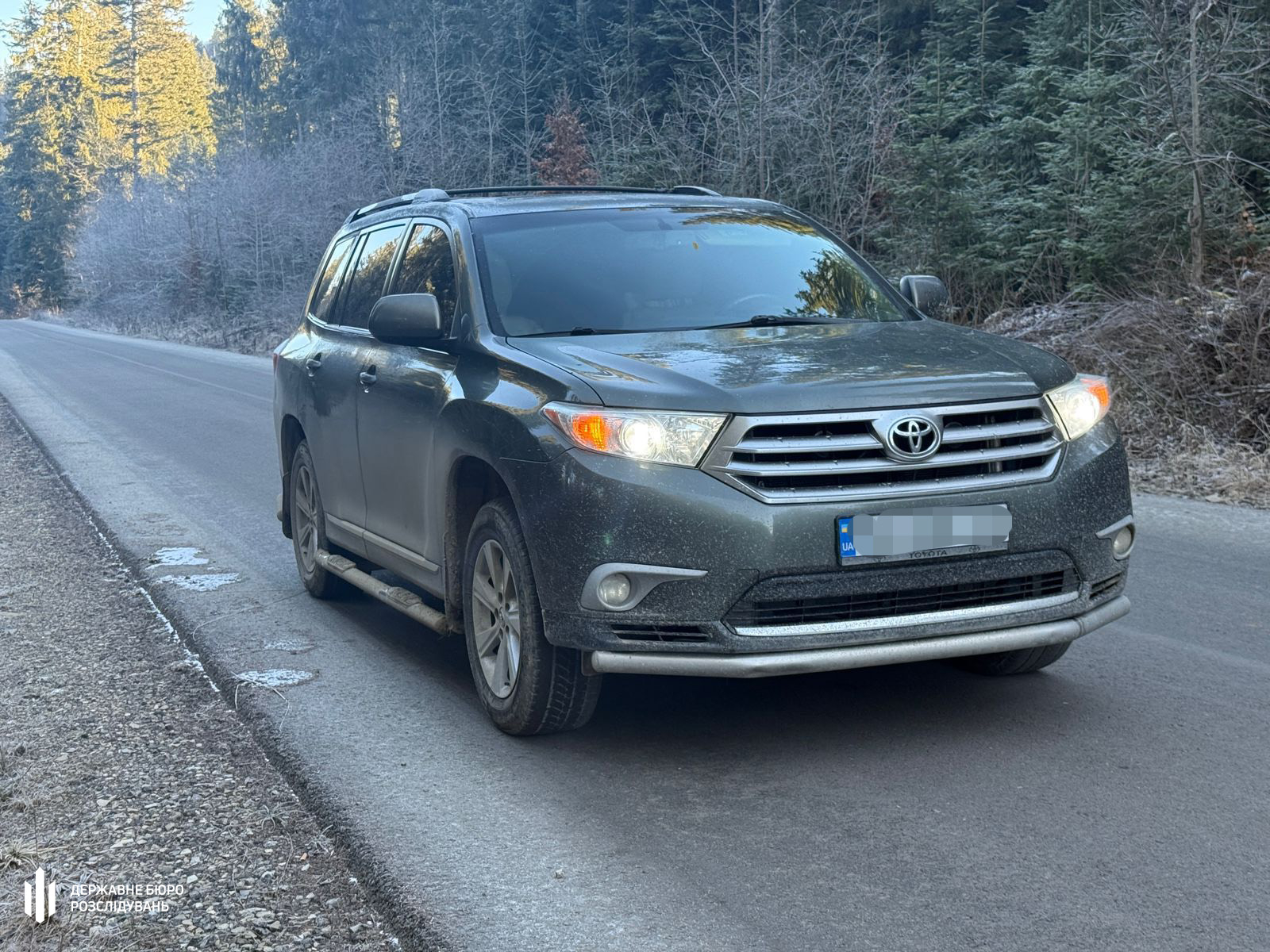
According to the DBR, the official demanded from mobilized individuals between $10,000 and $12,000, depending on the grounds for a deferment or removal from the wanted list. Those who refused to pay were reportedly threatened with artificial obstacles in the procedure. The suspect used part of the money to buy a car and register it under a straw person; the vehicle was effectively handed over to him for use.
"Alright then, go ahead. So that by Sunday I'll already be driving this car. You'll take eight from me"
— audio recording, DBR
Investigators also recorded conversations about the leader owning two cars (an Audi Q7 and a BMW 5) and about sale listings that allegedly helped conceal the origin of the funds. After the car was purchased, one of the deceived men was removed from the wanted list and was able to complete the paperwork.
Pattern: not an isolated case
This case fits into a broader picture: recently the High Anti-Corruption Court declared the assets of the former head of the Zaporizhzhia TRC unjustified in the amount of 3.8 million UAH, and in Mykolaiv dozens of complaints were filed about the work of the local TRC. Law enforcement rulings in recent weeks point to systemic risks in recruitment and personnel control.
Why this matters to the reader
Schemes of this type undermine two key things: operational combat capability and public trust. If decisions crucial to the country's defense are made not according to law and need but by corrupt payments, not only will the reputation of state bodies be damaged — the effectiveness of mobilization and security at the front will suffer as well.
What the state should do
An effective response has several components: a swift and transparent investigation, publicized results of the proceedings, strengthened internal audits in TRCs and systematic verification of suspicious assets. Anti-corruption experts emphasize that only a combination of criminal accountability and administrative measures (dismissals, inspections) will restore citizens’ trust.
Conclusion
This case is not just about a single official and a single car. It is a test for the recruitment system: can institutions cleanse the processes and ensure that decisions on deferments and removal from wanted lists are made lawfully and transparently. Next come the investigation and audit. For now the key question remains open: will these high-profile suspicions lead to systemic change?





