The real number and its significance
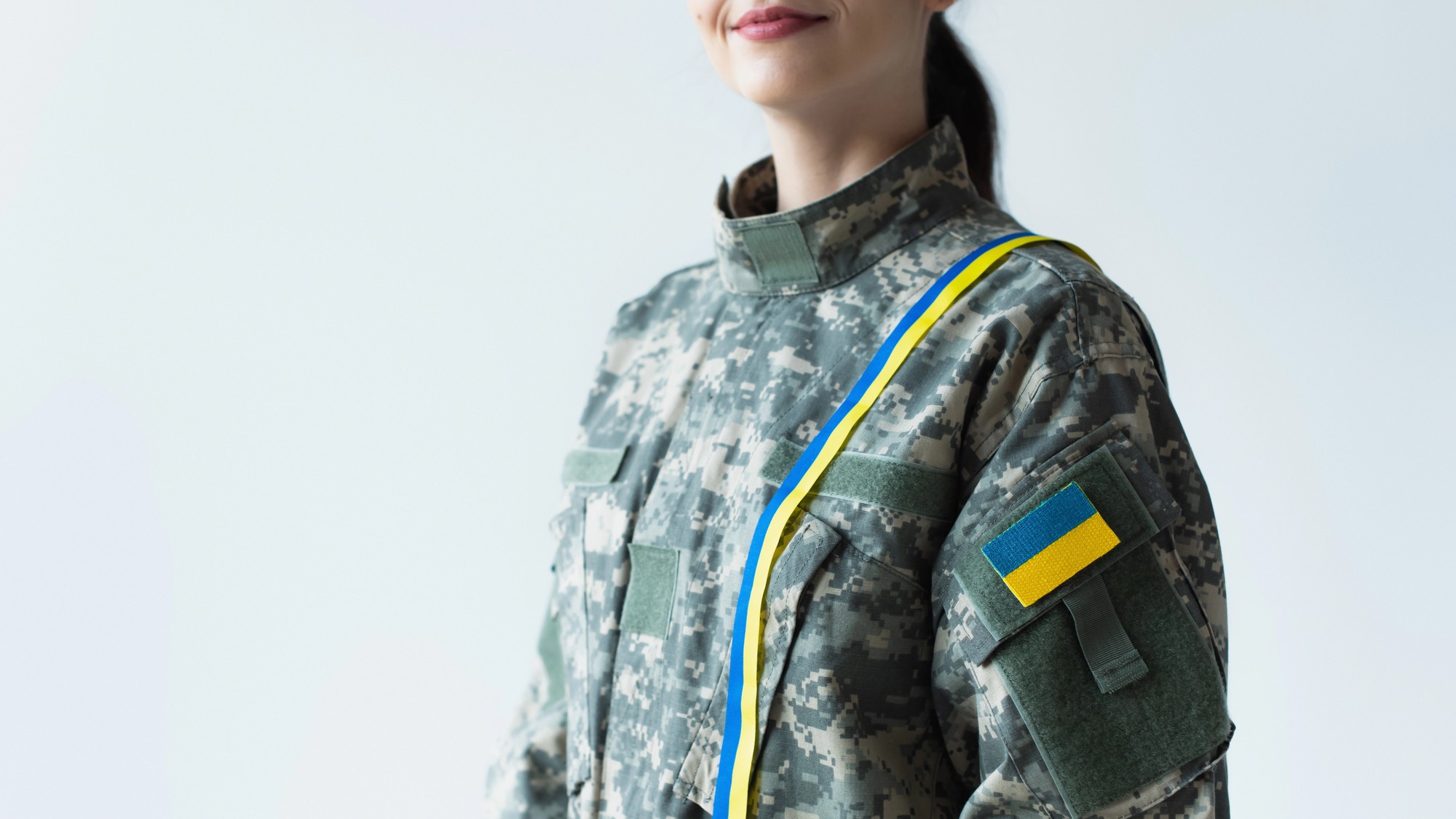
Commander-in-Chief of the Armed Forces of Ukraine Oleksandr Syrskyi, in a greeting for the International Women's Rights Day, announced key figures: today about 75,000 women serve in the military, of whom more than 55,000 — are servicewomen. According to him, this number is growing every year.
What changed over the year
In 2025 the military had over 70,000 women, but nearly 20,000 were then in combat roles. Over the year the share of women in combat positions increased by more than 2.5 times, indicating accelerated integration into operational units.
Why this matters
The increase in the number of women in the Armed Forces of Ukraine is not just a statistic. It affects operational strength, personnel reserves and logistical flexibility: more specialists in medical services, communications, intelligence and command means greater unit resilience. Analysts and military experts note that the changes reflect both the needs of the battlefield and shifts in recruitment and training policies.
Recognition and losses
As of now five women defenders hold the title Hero of Ukraine, three of them posthumously. Since the start of Russian aggression in 2014, 1,705 servicewomen have received state awards. This underscores both the role of women in defense and the price paid by society.
"Ukrainian women are warriors, commanders, medics, communications specialists, intelligence officers, volunteers, mothers and wives. Shoulder to shoulder with men they defend the state, save lives, teach, treat, provide and support"
— Oleksandr Syrskyi, Commander-in-Chief of the Armed Forces of Ukraine
Media and civic initiatives also record attention to the issue: for example, LIGA.net reports on current grant programs for female and male veterans, which affects reintegration into civilian life and post-service support.
What next?
The growing participation of women in the Armed Forces of Ukraine is a positive signal for combat capability, but it poses new challenges: scaling up training, adapting medical and living infrastructure, and providing legal and social support for female veterans. The question is not only about the numbers, but about how the state and society will turn these figures into systemic strength.





