In brief
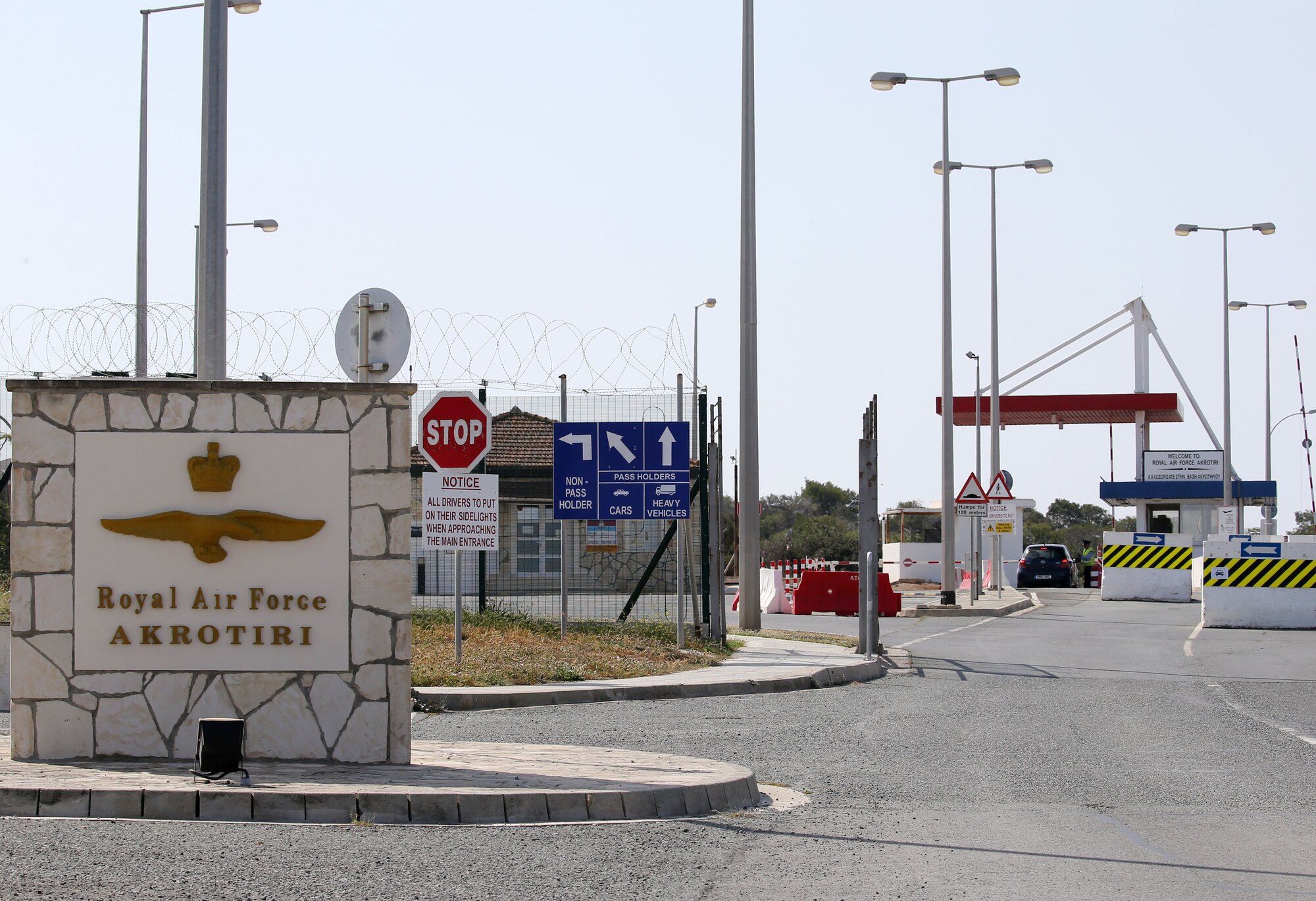
According to The Times, the drone that struck the British air base “Akrotiri” in Cyprus on March 1 was found to contain a Russian-made navigation system "Kometa‑B". British military intelligence sent the recovered components to a laboratory for detailed analysis. Media outlets link the attack to groups operating from Lebanon.
Why this matters
"Kometa‑B" is a satellite navigation module with enhanced protection against electronic warfare (EW). It allows GPS/GLONASS accuracy to be maintained even under signal jamming and is used on UAVs, missiles and other precision munitions. The discovery indicates not only technical preparation for the attack but also potential logistical or intelligence links between Moscow and its partners in the region.
What sources say
According to the Washington Post, interlocutors say Russia may have passed intelligence to Iran about the locations of US forces in the region. The London assessment and laboratory results now need to confirm whether this is an isolated case or part of broader cooperation.
"My country is not neutral in this war; Moscow's position supports Iran"
— Andriy Kelin, Russia's ambassador to the United Kingdom
"I have no doubt that Russia passed intelligence to Iran"
— Richard Naiton, Chief of the British Defence Staff
Implications for Ukraine
This incident has practical significance for us:
- The spread of Russian technology beyond the immediate battlefield means a greater risk of its use against allied bases and ships; this increases the importance of export controls on components and sanctions mechanisms.
- The integration of hardened navigation modules and intelligence data can raise the accuracy of proxy forces' strikes, complicating the defence of infrastructure and military facilities.
- It is important for Ukraine to deepen cooperation with partners on intelligence, technical expertise and EW countermeasures to neutralise such threats and strengthen the protection of its own infrastructure.
Conclusion
The discovery of "Kometa‑B" in the drone from Cyprus is not a technical detail but a marker of a possible strengthening of the Moscow–Tehran axis. It is a signal to Western allies: assumptions must be turned into concrete steps — enhanced export controls, operational data-sharing and improved protection of bases and communications. For Ukraine and its partners, loud statements matter less than systemic actions that will reduce the risks of the spread of Russian technologies and protect critical assets.





