Briefly
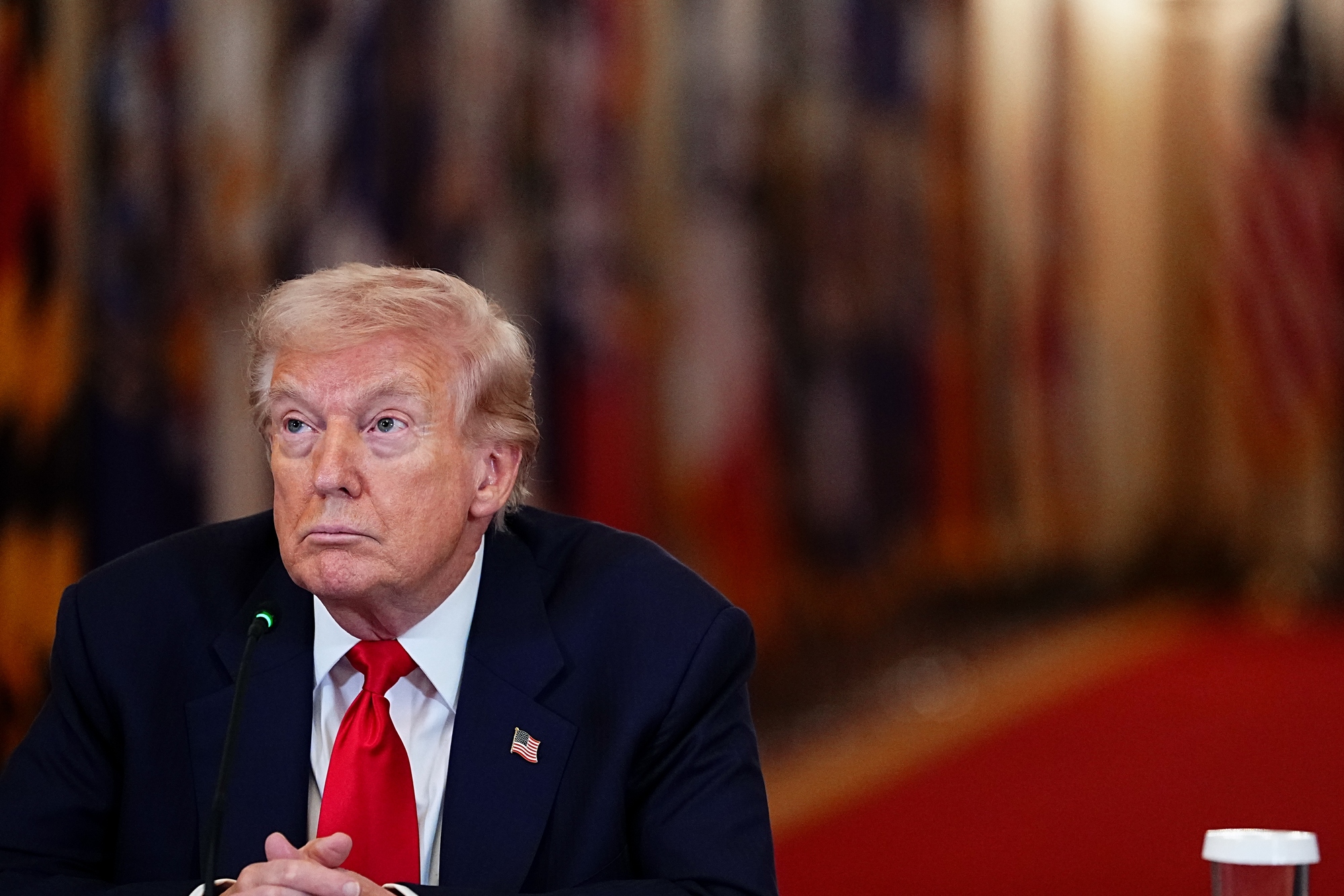
In an interview with ABC News, U.S. President Donald Trump said the future supreme leader of Iran “won’t last long” if he does not receive approval from Washington. He also reiterated concerns about Iranian ambitions in the region and did not rule out an operation to remove enriched uranium.
"He will need to get our approval. If he does not get our approval, he won't last long. We want to make sure we don't have to come back to this issue every 10 years…"
— Donald Trump, President of the United States
What was said and where it's from
Trump directly linked the stability of Iran’s leadership to the U.S. stance and expressed urgent concern about Tehran’s potential nuclear pathway. He also suggested that the United States is considering all options, including a special operation to remove enriched uranium. These comments came in the context of Western media reports: in particular, Axios reported on strikes against institutions associated with the selection of the new supreme leader, and LIGA.net has already analyzed how escalation scenarios in the Middle East affect Ukraine.
Why this matters
First, this signals U.S. readiness to openly influence the outcome of internal political processes in Iran — which raises the risk of regional escalation. Second, public rhetoric about possible special operations increases the likelihood of miscalculation or indirect retaliation by Iran’s partners in the region.
Analysts note that statements of this caliber can heighten tensions between Iran and Israel, as well as mobilize proxy forces across the region — a scenario that already has a direct economic impact on European and Ukrainian energy markets.
What this means for Ukraine
In the short term, a flare-up in the Middle East translates into fuel price volatility and logistical risks for supplies. LIGA.net noted that after certain episodes of confrontation in the region, fuel prices in Ukraine rose — a direct effect on fuel security and costs for the state and businesses.
In the long term, Ukraine needs to defend its interests through diplomatic channels and diversify logistics and energy supplies. The political rhetoric of major players should be translated into concrete measures of partner support, not remain mere declarations — this applies to both security and the economy.
Conclusion
Trump’s remarks are not just electioneering or geopolitical rhetoric; they signal a potential intensification of external interference in matters traditionally considered internal to Iran. For Ukraine, the consequences are more practical: price fluctuations, logistical risks, and the need to step up diplomacy and energy resilience. Now it’s up to partners: will they turn these statements into coordinated, transparent tools to deter escalation and protect civilian interests in the region?
"All options are being considered. Absolutely everything."
— Donald Trump, President of the United States





