Night attack: numbers and types of weapons
On the night of January 20 and in the morning, Russia launched a massive attack on Ukraine: according to official Air Force data — 34 missiles and 339 strike UAVs of various types.
Among the launches were the anti-ship Zircon missile, around 18 ballistic missiles of the Iskander‑M/S-300 type, 15 Kh-101 cruise missiles and hundreds of drones, including about 250 Shahed.
What changed thanks to the new missiles for air defense systems
The President links part of the success to the fact that Ukraine received additional missiles for air defense systems the day before. This expands interception capabilities at different ranges and allows more effective allocation of interceptors between systems.
"A day before this strike we finally received the necessary missiles, and that helped significantly. Every package of support matters. Missiles for the 'Patriots', for the 'NASAMS', for other air defense systems are critically needed."
— Volodymyr Zelenskyy, President of Ukraine
In practical terms this means that complexes like Patriot and NASAMS received munitions that allow them to close critical gaps in the air defense area of responsibility — from high trajectories of ballistic missiles to low-flying drones.
Consequences for the population and infrastructure
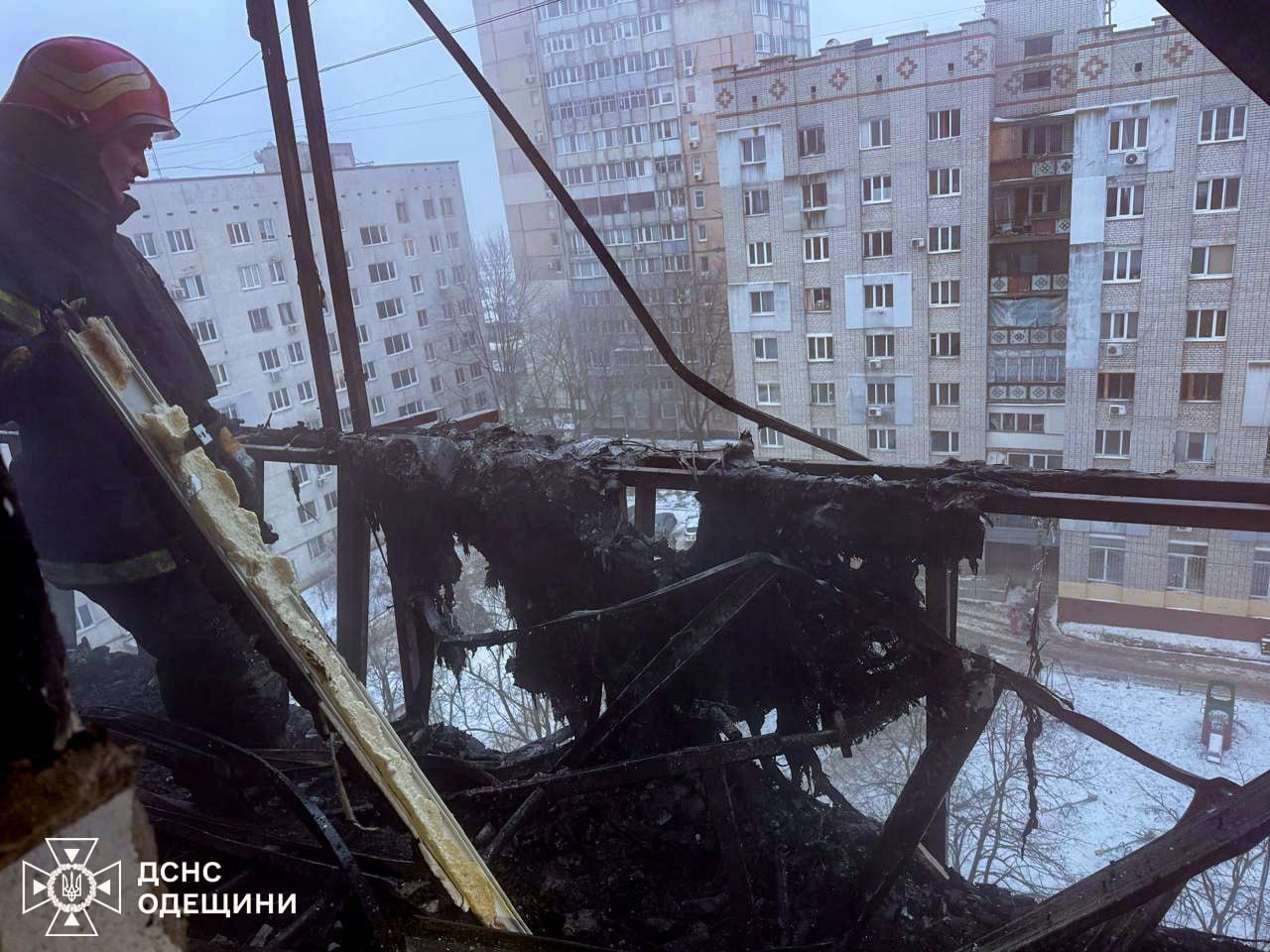
Five missiles and 24 drones were recorded striking 11 locations; falling debris — at another 12 locations. In Kyiv one person was injured, the left bank was temporarily left without water supply, and more than 5,600 apartment buildings were without heating.
By region: one person killed in Kyiv region, two people wounded in Dnipro, and there are impacts in Odesa region, Vinnytsia, Poltava, Zaporizhzhia and other oblasts.
Why this matters and what's next
Receiving missiles on the eve of the strike did not eliminate the threat, but temporarily increased the chances for air defenses to shoot down critical targets and reduce destruction. Analysts and military experts emphasize: for this to become a lasting advantage, regular deliveries, personnel training and technical support from partners are required.
Diplomatic work remains key — supplies must be steady, not fragmented. Otherwise each subsequent wave of attacks could again put civilian infrastructure at risk.
Conclusion: the new missiles gave Ukrainian air defenses a critical reinforcement at the moment of the attack and reduced potential losses. But for long-term security a sustained pace and scale of support from partners is needed — a matter that concerns not only the military but millions of citizens.





