What happened — in brief
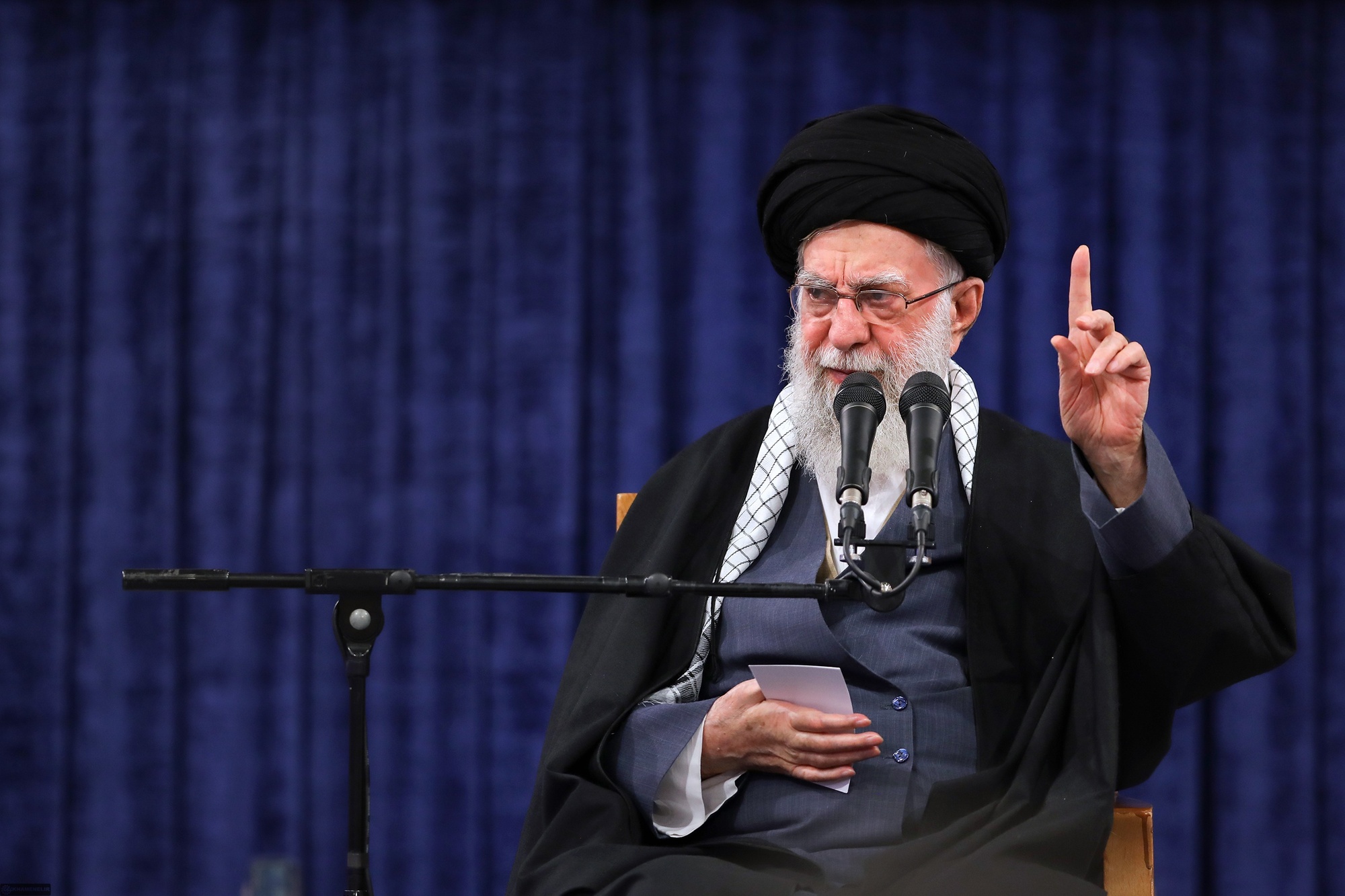
According to The New York Times, Ayatollah Ali Khamenei has prepared a mechanism for governing the country in the event of his own elimination. The paper cites six senior Iranian officials, three representatives of the Islamic Revolutionary Guard Corps (IRGC) and two former diplomats. According to them, Khamenei has outlined several levels of succession and instructed key leaders to have backup candidates.
Details that matter
According to the NYT, in early January the supreme leader handed broad powers to his national security adviser Ali Larijani, who has reportedly since been effectively coordinating state decisions. At the same time, interlocutors say Larijani is likely not on the official list of religious successor candidates — an important nuance for the legitimacy of any future transfer of power.
"Iran has been preparing for war for the past seven to eight months. The country does not seek to start an armed conflict, but will respond in the event of an attack."
— Ali Larijani, national security adviser (interview with Al Jazeera)
Military preparations and signs of escalation
NYT interlocutors and sources in the IRGC report deployments of missile launchers along the western border with Iraq and on the southern coast of the Persian Gulf. Such positioning enables attacks against both Israel and — within range — U.S. bases. At the same time, Axios and CNN reported signals from Washington about the military's readiness to strike Iran; the final decision, they say, has not yet been made.
Internal pressure and waves of protests
Against this backdrop, student protests have resumed in Tehran and Mashhad, where calls were made against the supreme leader. This adds uncertainty inside the country — the regime is simultaneously preparing for an external threat and feeling internal pressure.
Why this matters for Ukraine and our partners
Escalation in the Middle East has a direct impact on global security and the diplomatic attention of Western allies. If the U.S. and its partners are forced to concentrate resources and political will on a new theater, this could delay or complicate arms deliveries, sanction pressure, and diplomatic support needed by Ukraine. Instability also increases risks to global energy markets and financial flows, which directly hits the economy during wartime.
What to watch next
- Whether the names of successor candidates will be confirmed and how that will affect the legitimacy of power in Iran; - Movements of missile units and their readiness to strike; - The U.S. decision on a strike and the response of Iran's leadership; - The level of domestic protests and the risk of splits within the elites.
Conclusion
Designing a succession plan is not merely an internal precaution: it's a signal that Iran is preparing for the worst-case scenario. For Ukraine, it's important to note not only the fact itself but also the consequences — whether this will divert the attention and resources of our partners at a critical moment. Whether the Western alliance can respond simultaneously to threats in Europe and on the other side of the world is the key question in the coming weeks.





