In high diplomacy, it's not loud statements but quiet agreements that matter
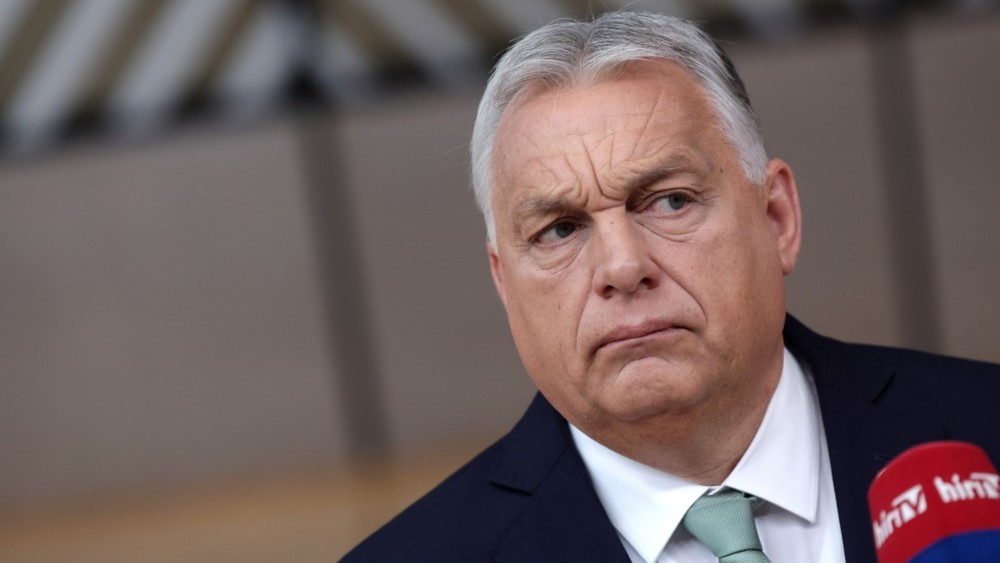
Prime Minister of Hungary Viktor Orbán reacted sharply to a Politico piece about an alleged "five-step plan" by the EU that would grant Ukraine partial membership as early as 2027. Orbán called this approach "an open declaration of war on Hungary" and urged voters ahead of April elections to "stop them" — meaning to prevent a change in Budapest's political course.
"They decided that Ukraine will be admitted to the Union already in 2027. This new plan is an open declaration of war on Hungary. They ignore the decision of the Hungarian people and intend to remove the Hungarian government by any means necessary"
— Viktor Orbán, Prime Minister of Hungary
What exactly Politico reports and which tools Brussels is considering
According to Politico, Brussels is working on an "unprecedented" package of steps intended to strengthen Kyiv's ties with the EU and push it further away from Moscow. Options mentioned include the gradual granting of rights and access without full membership at once across all areas (economy, security, politics). One possible response to Budapest would be the use of Article 7 of the Treaty on European Union, which allows action in response to systematic breaches of European values.
Why Orbán is reacting now
The reaction has a domestic-political dimension: Hungary is holding elections, and the authorities traditionally frame external decisions as threats to national sovereignty. In addition, as an EU member Hungary has a mechanism to block decisions (a veto), so any initiative toward Kyiv requires either a circumvention or a political deal with Budapest. Orbán's rhetoric emphasizes an external threat and mobilizes the electorate.
What this means for Ukraine
If the ideas of partial membership advance in practice, for Ukraine this would have several practical consequences: strengthened economic and political integration with the EU, access to the market and security instruments, and thus a reduced space for Russian influence. At the same time, such a step could deepen splits within the EU itself: without consensus, decisions will either be delayed or provoke political escalation around the issue of the veto of Hungary.
Advice to Brussels and a forecast
Analysts note that the key now is to translate public declarations into legal and political mechanisms that operate on concrete timelines. For Ukraine it would be useful for partners to clearly set out a roadmap and security guarantees, rather than limit themselves to symbolic statements. For the EU — a test of its ability to combine solidarity with respect for procedures.
Whether the plan will turn into concrete steps will depend on whether Brussels and Kyiv can propose a format that minimizes the risks of a veto while simultaneously increasing Ukraine's practical security. This question is not only about geography of borders, but about who sets the rules of the game in Europe after the war.
"Budapest's position demonstrates that Ukraine's integration process will proceed not only technically but politically: questions of vetoes and electoral cycles remain decisive"
— comment by a diplomatic observer (synthesis of expert community views)





