Launch and context
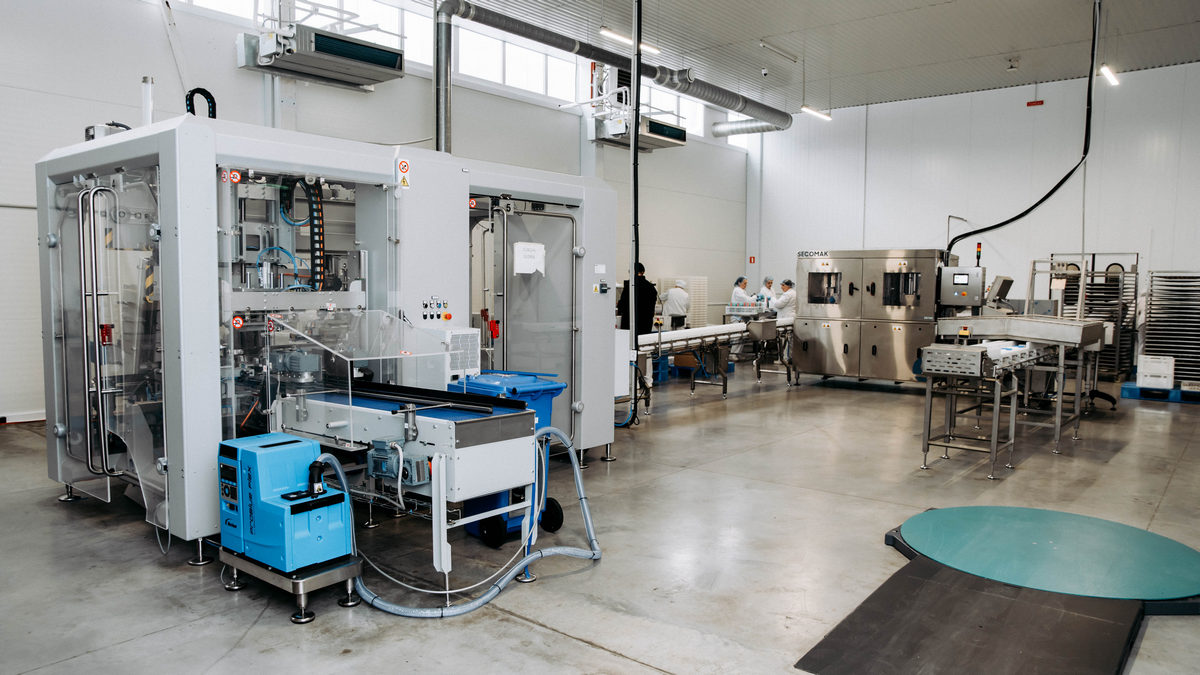
According to LIGA.net citing the press service of Suziria Group, production of wet food for cats and dogs has been launched in Kalush (Ivano‑Frankivsk region). This is part of the company's strategy to relocate part of its production chains to Ukraine — a move with pragmatic significance for economic stability and food resilience during the war.
"The start of production is a step toward reducing imports and creating a stable supply chain in Ukraine."
— Press service of Suziria Group
Technical specifications and plans
The facility, covering 800 sq. m, is starting with a capacity of up to 5,000 tonnes of product per year with the possibility of increasing to 10,000 tonnes by the end of 2026. The factory will produce pouch-format food under the brands Half&Half and CATCH!, as well as private labels for Ukrainian chains and foreign partners. Equipment was supplied by leading food‑tech manufacturers from Germany, the United Kingdom, Italy, Spain, Japan and France.
Investments and financing
Construction and preparation took about one and a half years. In 2024–2025 the project received €6.1 million, and more than €1 million is planned for 2026. Part of the financing came from an investment loan from Oschadbank, as well as a $2 million grant from a USAID project — social proof that the project has support both nationally and internationally.
Effect on the market and region
According to the company’s estimates, the wet pet food market in Ukraine in 2025 amounted to about 66,000 tonnes. The new line in Kalush could potentially cover up to 15% of that volume. At launch the enterprise has 16 specialists working; by the end of the year the team is expected to grow to 48 employees — a boost for the local labour market and related services.
What this means for the reader
Import substitution in the food industry is not just about business profits. It’s about product availability on shelves, price stability and reduced vulnerability to supply‑chain disruptions in a front‑line environment. For consumers it's a chance to see more local products; for the region — new jobs; for the state — a signal to investors that companies are ready to scale up production despite the risks.
Summary
Suziria Group has not simply opened another line — it has laid an element of industrial resilience in the region. Now the key question is whether the market and political/financial instruments can secure stable contracts and sales so that the investments turn into long‑term benefits for the local economy?







