Putting emotions aside — analyzing the facts
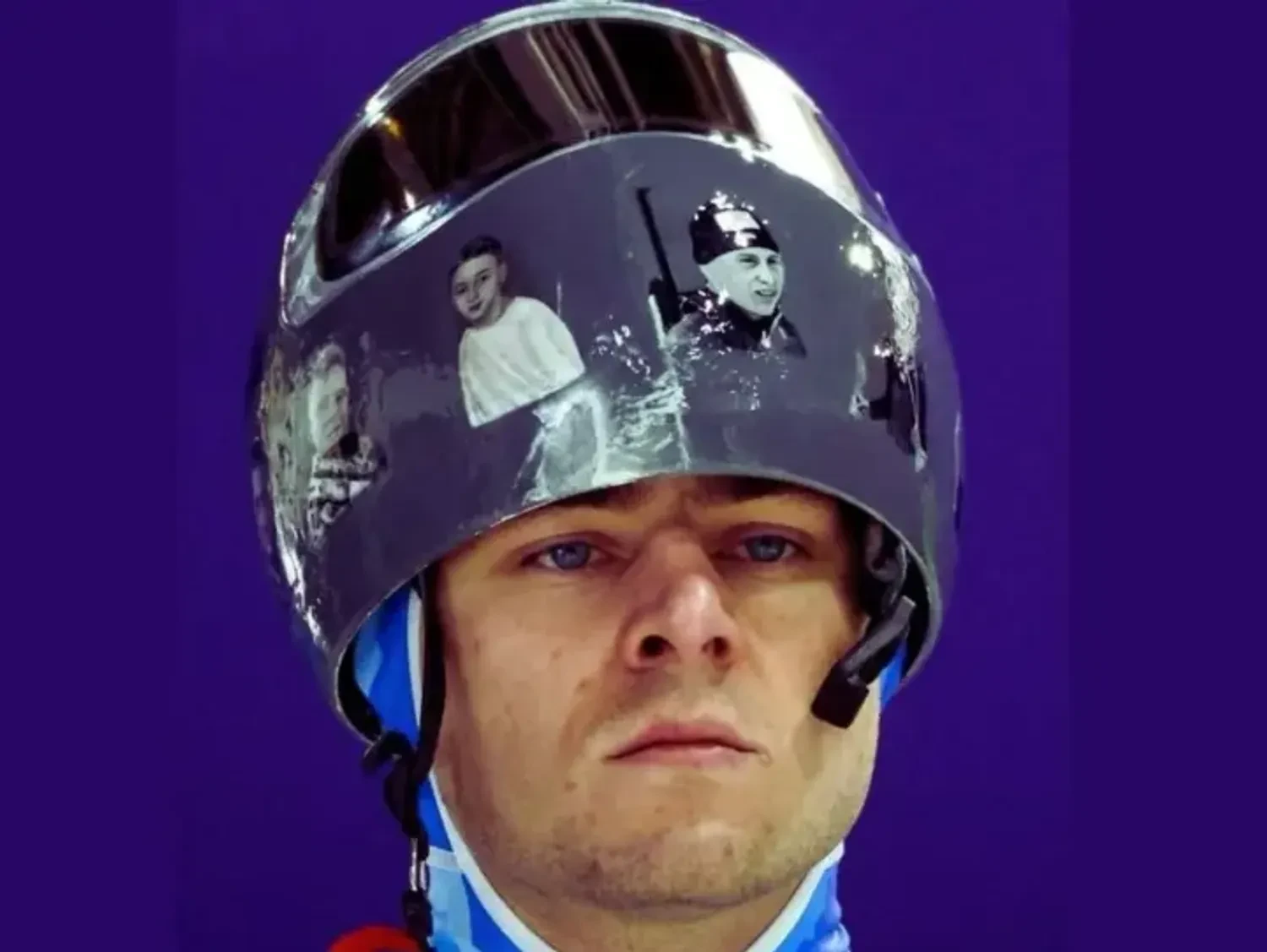
Vladyslav Heraskevych continues to wear the so‑called "memorial helmet" bearing portraits of fallen Ukrainian athletes, despite warnings from the International Olympic Committee (IOC). UNN, citing the Daily Mail, reports that the athlete is rejecting orders to remove the helmet before competitions — a stance that exposes him to potential disciplinary measures, including possible disqualification.
What happened
The IOC recommended that the athlete not display political or provocative messages in the competition area. Heraskevych said he had used the helmet "at all training sessions" and would continue to do so during competitions, convinced that he is not breaking any rules. It was also noted that the athlete has posted competitive results: on Tuesday he finished second, and on Monday — third, which heightens the significance of the organizers' decision regarding potential sanctions.
"I used it at all training sessions. I used it today, I will use it tomorrow and on the day of the competition. I sincerely believe that we have not violated any laws or rules"
— Vladyslav Heraskevych, Ukrainian skeleton racer
IOC position: rules and places to express emotion
IOC spokesman Mark Adams stressed that the athlete instructions are published and were agreed upon by thousands of athletes. According to him, athletes can express their pain on social media, at press conferences and in the mixed zone, but the important issue is the place of demonstration — the competition field must remain free of distracting elements.
"We will contact the athlete today, emphasize the many opportunities he has to express his pain... but ultimately, I want to be frank: it's not the message itself that matters, but the place where it is displayed"
— Mark Adams, IOC representative
Support within the Ukrainian team
Ukrainian luger Olena Smaga showed support by displaying the inscription "Memory is not a violation" on her hand during competition. Such solidarity amplifies the social resonance — for many Ukrainians, remembering fallen athletes is a matter of national dignity and morality, not politics.
Analysis: why this case matters
This story crosses two logics: the universality of international sports rules and the local need to honor the dead. The IOC appeals to athlete consensus and to keeping the competition field neutral; the Ukrainian side appeals to memory and moral duty. For readers, the issue concerns the country's reputation on the international stage and the boundaries of permissible symbolism in a global format.
What may happen next
The most likely scenarios are further negotiations between the IOC and the athlete, a formal warning letter and, depending on Heraskevych's next actions, disciplinary steps. The IOC makes decisions based on internal instructions agreed by thousands of athletes; at the same time, a full exclusion of the athlete could provoke a broader public reaction, especially in Ukraine.
Summary
This case is not just about one helmet. It is a test of how international rules will balance universal standards with the force of national memory. Now the ball is in the IOC's court: can it find a solution that allows the athlete to keep competing without undermining the principles of a neutral competition format?
Sources: UNN, Daily Mail, official IOC statements (quote from Mark Adams).