Main
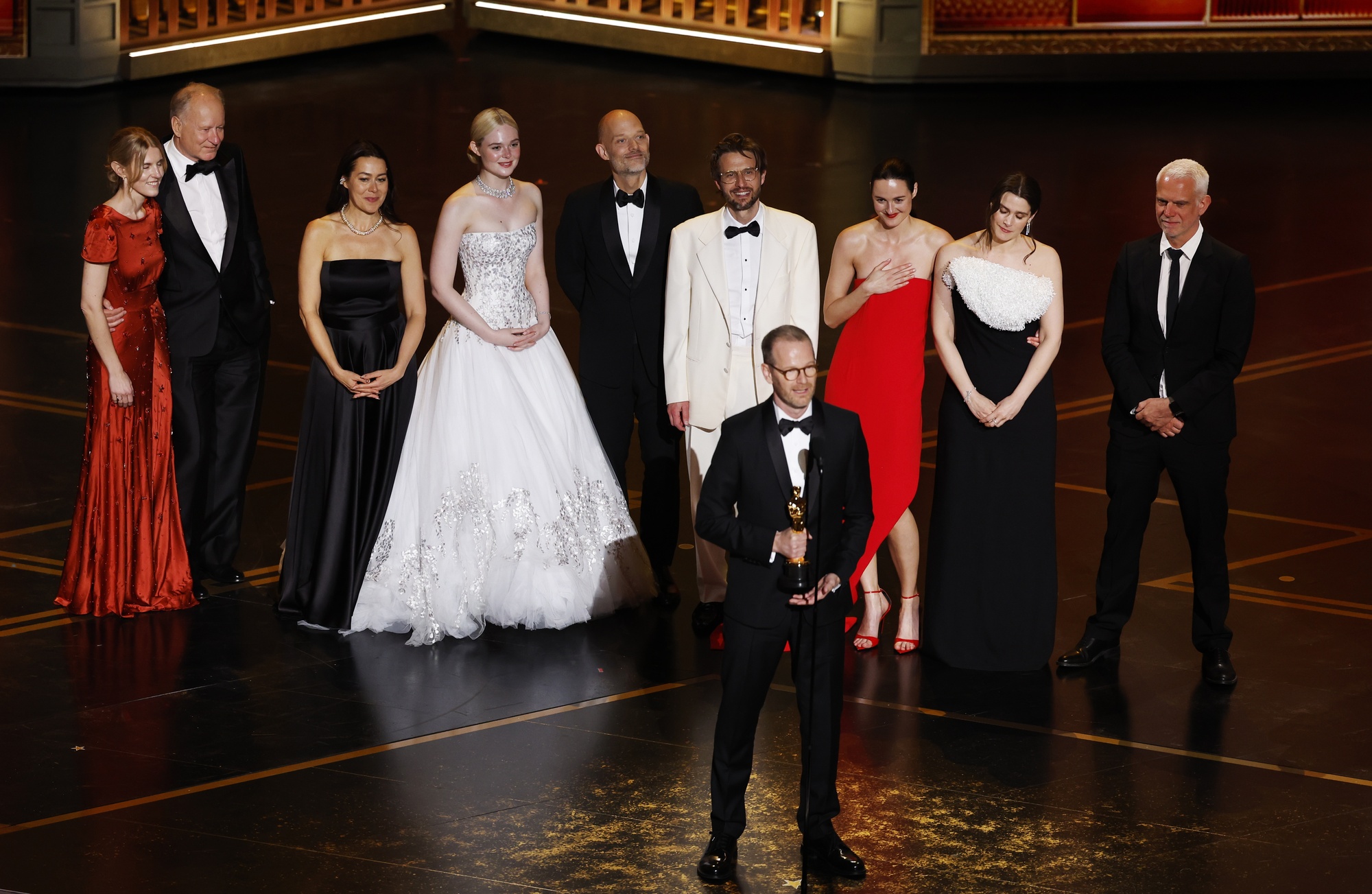
The 98th Academy Awards ceremony took place in Los Angeles. The evening’s leading film was Paul Thomas Anderson’s "One Battle for Another", which won several key awards, while the documentary prize went to "Mr Nobody vs Putin" — a film that records the mechanics of the war from the inside. For Ukraine, the impact goes beyond statuettes: the attention of global film institutions to topics related to Russian aggression shifts the media trajectory of the conflict, while the absence of Ukrainian films in the finals raises questions about support and distribution.
What happened
The official list of winners includes:
Best Picture: "One Battle for Another"; Best Actor: Michael B. Jordan ("Sinners"); Best Actress: Jessie Buckley ("Hamnet"); Best Feature Documentary: "Mr Nobody vs Putin"; among others — strong showings for "Sinners" and "Frankenstein" in technical categories. (Data — the official Oscars website).
"According to The New York Times, Sean Penn is currently in Ukraine."
— The New York Times
Why this matters for Ukraine
Documentary breakthrough. The victory of "Mr Nobody vs Putin" strengthens the international narrative about methods of mobilization and recruitment inside Russia. Films like this act as additional evidence in the global information space — they influence public opinion, politicians, and funds that decide on financing.
Solidarity through the presence of personalities. The fact that actor Sean Penn was not present in the auditorium and, according to journalists, is in Ukraine is a symbolic marker of the global film community’s attention to Ukraine. This goes beyond cultural ties: well‑known artists often translate media attention into diplomatic or charitable action.
Why Ukrainian films were not in the final
Brief asides: Ukrainian documentary and short films — Mstyslav Chernov’s "2000 Meters to Andriivka" and Anastasiia Falileieva’s animation "I Died in Irpin" — did not make the final stage. The reasons are complex:
- Lack of strong international distribution during the war; festival trajectories are complicated by logistics and funding.
- Competition in documentary and short categories is intensifying — academy attention is often tied to campaigns with substantial resources.
- Media attention is captured by stronger information cases with original production stories, while Ukrainian works require additional promotion.
What’s next: brief analysis and recommendations
In the short term it is important to:
- strengthen international distribution of Ukrainian documentaries and shorts through partnerships with European and American festivals;
- engage grant programs and donors for film campaigns that translate and make films accessible to juries and professionals;
- use international wins by films about the war (even if they're not Ukrainian) to promote Ukrainian feature and documentary stories that provide context.
"A Russian teacher secretly documents how his school is being turned into a recruitment center for military actions during the invasion of Ukraine."
— synopsis of "Mr Nobody vs Putin"
Conclusion
Oscar 2026 gave a global platform to films that touch on war and politics, but it did not automatically open doors for Ukrainian films. This is a signal: cultural victory requires not only talent but systemic support — funding, distribution, and strategic media campaigns. The next move is up to institutions and investors who can turn international attention into sustained opportunities for Ukrainian cinema.





