A ceasefire between the USA and Iran is in effect until April 21. Negotiations in Islamabad lasted 21 hours and reached a deadlock. Now Pakistan, Egypt, and Turkey are trying to resume dialogue before the deadline expires — and simultaneously, a naval blockade is beginning.
What halted negotiations in Islamabad
According to Axios citing American officials and regional sources, negotiations stalled on two key points. The first is the US demand to completely freeze uranium enrichment and transfer highly enriched uranium reserves. The second is the amount of frozen Iranian assets that Tehran wants to receive in exchange for nuclear concessions.
Iranian Foreign Minister Abbas Araghchi stated that the parties were "a step away from a deal" until the US "moved the goalposts." American officials and regional sources did not confirm this characterization, although they acknowledged progress was made.
"Both sides are bargaining. It's a bazaar."
— Axios source close to negotiations
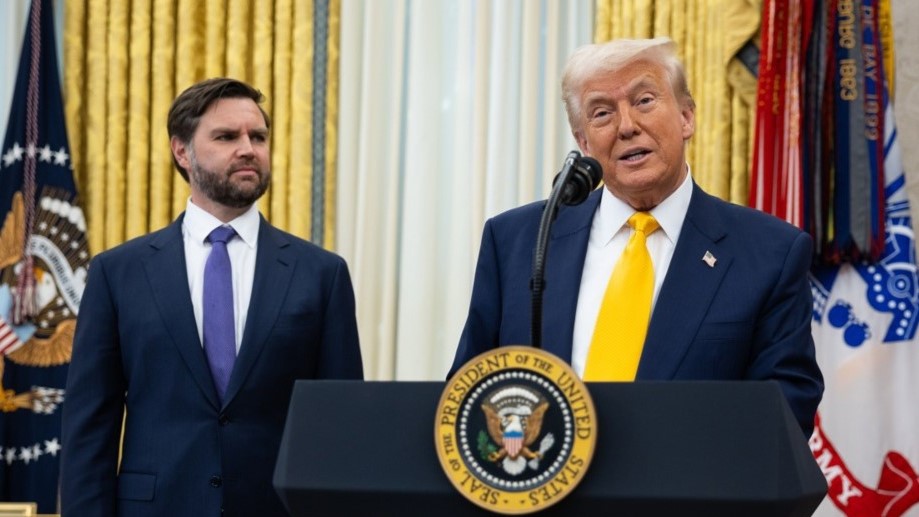
Negotiations on the US side were led by Vice President JD Vance — meeting the Iranian delegation in person for the first time. The American official characterized the talks as "tough," but ones that "evolved into a friendly and productive exchange of proposals."
American red lines — and why Iran disagrees
According to ABC News, the American side set four non-negotiable conditions: complete cessation of uranium enrichment and dismantling of nuclear facilities; US right to confiscate existing highly enriched uranium; cessation of financing for Hamas, Hezbollah, and the Houthis; and complete opening of the Strait of Hormuz without tariffs.
Iran has not signed on to any of these points. The IRGC stated that any military vessels approaching the strait "will be considered a violation of the ceasefire."
Blockade as leverage — and its limits
After the failed negotiations, Trump announced a naval blockade: US Central Command (CENTCOM) stated it will begin on Monday at 10:00 a.m. Eastern Time and will apply to vessels of all countries entering or leaving Iranian ports.
According to CNBC citing the WSJ, Trump and his advisers are also considering resuming limited airstrikes on Iran — for additional pressure. In an interview with Fox News, Trump openly named targets: water supply facilities and power plants.
The White House's logic, according to an American official: the blockade should convince Iran of the reality of the American position — and force it to return to the table. However, there is no mechanism that would guarantee this step.
Mediators between two deadlines
On Sunday, Turkish and Egyptian foreign ministers conducted separate calls with their Pakistani counterpart. After that, both contacted Vitkoff and Araghchi — to keep the channels open for the next round.
The ceasefire hinges on one condition: the Strait of Hormuz remains open. It was precisely its opening in April that became the basis for the pause in bombardments. If the blockade provokes the strait to close — the ceasefire will de facto end before April 21.
The question is not whether the parties will sit down at the table before April 21. The question is whether the naval blockade can create pressure without escalation — or will it make the very deal it was declared for impossible.





