In Focus: Ambitious Goals — Realistic Timelines?
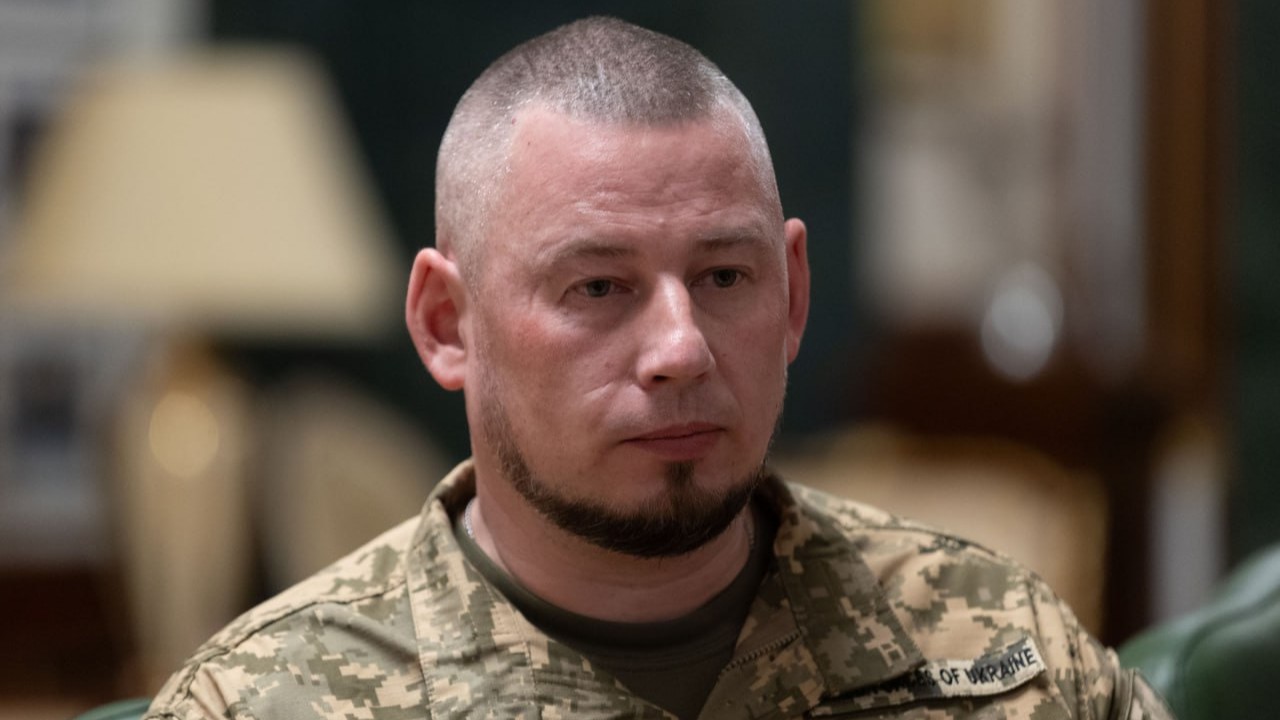
Pavlo Palisa, deputy head of the Office of the President, in an interview with Radio Svoboda described Moscow's plans as large-scale and ambitious — claiming not only Donetsk but also Ukraine's southern regions. This is important because it concerns attempts to change the frontline and create "buffer zones" north of the country's south.
"They have not given up on seizing Donetsk, they still plan to create a buffer zone on the territory of Kharkiv and Sumy oblasts. They expect to advance as far as possible in Dnipropetrovsk and Zaporizhzhia oblasts and create conditions where they can claim to seize Zaporizhzhia, Kherson, Mykolaiv and Odesa"
— Pavlo Palisa, Deputy Head of the Office of the President, Brigadier General
What the Numbers and Time Estimates Say
Palisa emphasized that capturing even part of Donetsk would require Moscow roughly one and a half years and resources equal to the present Russian grouping in Ukraine. He said he currently does not see the invaders able to realize these plans within the next six months.
According to the office's estimate, about 6000 km² in Donetsk region are currently under Ukrainian control — and changing the balance would demand significant human and material costs from Russia.
Context: What Partners and Analysts Say
In early February a NATO representative noted that the Alliance does not expect a sudden breakthrough in Donetsk for at least one and a half years, and also cited assessments of substantial Russian losses in manpower. These signals indicate that even with the Kremlin's aggressive ambitions, demographic and material costs curb their plans.
For Ukraine this provides a critical time window: the opportunity to strengthen defenses on the southern and Donetsk axes, optimize logistics, and secure necessary defensive supplies from partners.
Security Implications and What to Do
If Palisa's and the Alliance's estimates are close to the truth, the real threat of a large-scale Russian advance in the next six months is limited. But this is not a reason to relax: ambitions are accompanied by gradual buildups of resources and tactical strikes. Analysts agree that the key factors will be:
- timely deliveries of heavy weapons and ammunition from partners;
- increasing the mobility and logistics of Ukrainian units on the southern flank;
- maintaining the political unity of international support — sanctions and supplies must remain steady.
Summary: Time Is on Our Side, but Not for Long
The Kremlin's rhetoric about claims on Zaporizhzhia, Kherson, Mykolaiv and Odesa confirms their ambitions, but does not prove their future realization. Palisa's assessments give Ukraine roughly one and a half years to bolster defenses and increase international pressure on Russia — the question is whether partners will turn declarations into concrete deliveries and funding.
Now the ball is in the court of supporters of practical aid: can we use this time window to prepare the southern front and minimize risks over the next six months?





