What Denmark Said
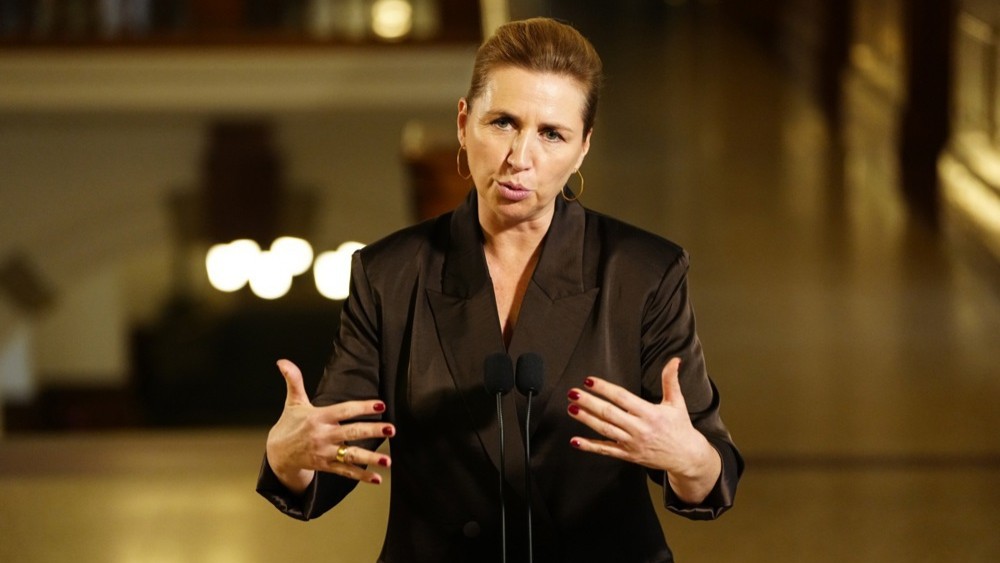
Denmark's prime minister, Mette Frederiksen, warned that if the United States were to carry out military action against Greenland — a self-governing island within the Kingdom of Denmark — it would effectively mark the end of the North Atlantic Alliance. This was reported by TV2, which quotes her statement.
"But I also want to be clear: if the United States decides to attack another NATO country by military means, then it will be over. Including our NATO and, therefore, the security that has been provided since the end of World War II."
— Mette Frederiksen, prime minister of Denmark
Context: why Greenland is being talked about again
U.S. interest in Greenland did not start today. In 2019 the media extensively covered attempts by the American administration to explore the possibility of buying the island; after those remarks Denmark insisted on the inviolability of its sovereign rights and alliance obligations. Recent public hints at control or predominant influence create a dangerous precedent.
Why this matters for security
Rhetoric from great powers about the sovereignty of allies undermines a key mechanism of collective defense — trust and predictability. NATO exists as a deterrent precisely because countries agree not to change borders by force. Violating this principle will weaken both the Alliance's ability to coordinate defense and the political will of partners to provide assistance to third countries, including Ukraine.
What experts say
Security analysts point out that even rhetorical attacks on international norms have practical consequences — from reduced readiness for joint operations to complications in the sharing of intelligence and logistics. Efforts to ensure security in the Arctic also risk becoming a subject of geopolitical disputes, which would weaken overall European stability.
Conclusion
Frederiksen's statement is a reminder: the words of leaders of great powers carry weight, and their implications extend beyond individual islands. For Ukraine, it is another signal that security guarantees and international rules need to be turned into concrete, legally enshrined mechanisms of cooperation. Do allies have enough political will and procedures to turn warnings into real guarantees?





