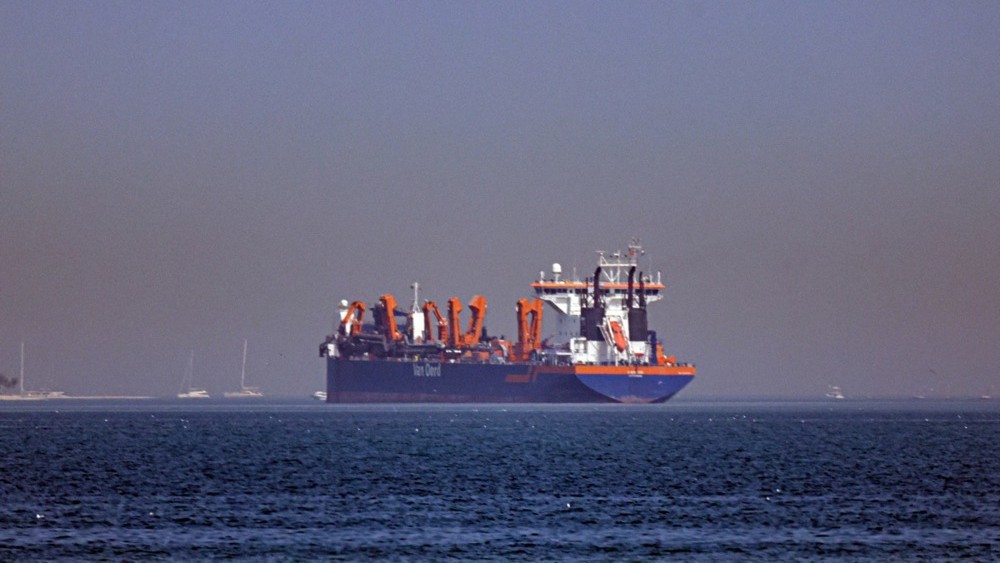
Oil-tanker shock at the Strait of Hormuz: brief
According to Reuters, citing MarineTraffic, after strikes on Iran at least 150 tankers — oil and LNG — have anchored in the open waters of the Persian Gulf beyond the Strait of Hormuz; dozens more have paused on the other side of the passage. In addition, roughly another 100 tankers and dozens of cargo ships are anchored along the coasts of the UAE and Oman.
Where ships stopped and why it matters
The buildup has been observed off the coasts of key producers — Saudi Arabia, the UAE, Iraq, Kuwait and Qatar. Around 20% of the world’s oil and a significant share of liquefied natural gas transit the Strait of Hormuz, so any mass suspension of traffic could quickly affect global supplies and insurance rates.
What sources say
“Mariners should expect an increased naval presence, enhanced security measures, possible challenges on very high frequency radio (VHF), congestion around anchorage areas outside the strait and instability in the insurance market.”
— Combined Maritime Information Center (led by the U.S. Navy)
Reuters and trade sources report that several tanker owners and major trading firms have suspended shipments of crude oil, fuel and LNG through the Strait of Hormuz. An attack was also recorded off the coast of Oman on a tanker that is under U.S. sanctions as part of the so‑called “shadow fleet.”
Consequences: risks and channels of impact
In the short term — a risk of delivery delays and higher freight and insurance costs. Increased insurance premiums could make transporting energy more expensive, directly affecting prices for end consumers and exporters’ budgets. The middle scenario is temporary market volatility; the worse case is prolonged disruptions if the escalation continues.
From a security perspective, the situation is pushing for a stronger naval presence by allies and closer coordination between civilian and military authorities to guarantee the passage of key routes.
What this means for Ukraine
Although there is no direct hit on Ukrainian export routes here, any turbulence in global energy markets has consequences for Ukraine’s economy: price swings, logistical readjustments and additional pressure on the budget. In addition, a bolstered international military presence in the region is another marker of partners’ readiness to act when it comes to protecting sea lanes and energy stability.
Conclusion
The concentration of ships near the Strait of Hormuz is not just a picture on a radar: it is a signal of heightened risk for supply chains and insurance markets. Experts and trade sources are already recording pauses in shipments; the key now is whether declared security measures will be turned into concrete action to avoid a prolonged crisis in the energy market.





