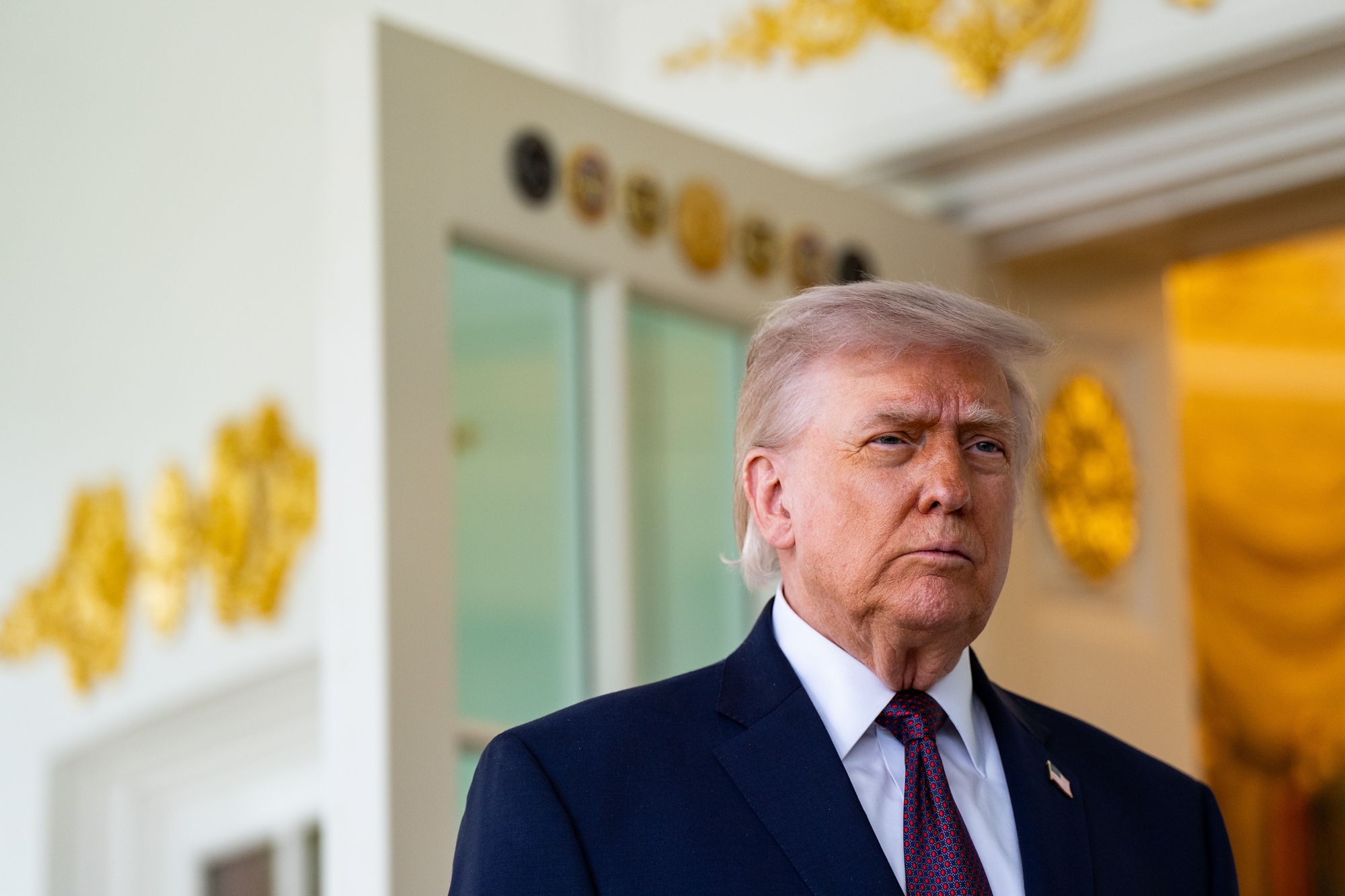
On April 16, Donald Trump announced on Truth Social that he had conducted separate calls with Lebanese President Joseph Aoun and Israeli Prime Minister Benjamin Netanyahu — and declared a 10-day ceasefire that began at 11:00 PM Kyiv time. According to him, both leaders met in Washington for the first time in 34 years.
"These two leaders have agreed that to achieve peace between their countries, they will officially begin a 10-day ceasefire at 5:00 PM Eastern time"
Donald Trump, Truth Social
Trump also tasked Vice President J.D. Vance, Secretary of State Marco Rubio, and Chairman of the Joint Chiefs of Staff Dan Kane with "working with Israel and Lebanon to achieve lasting peace" — and invited both leaders to the White House for "substantive negotiations."
How we got here
A new wave of fighting between Israel and Hezbollah erupted in early March 2025. On April 8, Israel launched over 100 airstrikes on Lebanon, including the center of Beirut — killing over 350 people. More than a million Lebanese were displaced. According to PBS NewsHour, Lebanese Prime Minister Nawwaf Salam publicly accused Israel of escalation at a moment when the Lebanese side was seeking a path to negotiations.
Lebanon had been trying to forge its own diplomatic path since the beginning of the year. President Aoun — even before the April calls with Trump and Rubio — had proposed direct negotiations with Israel in exchange for a ceasefire. As PBS NewsHour notes, neither Israel nor the United States responded at that time. The situation changed with a U.S.-Iran ceasefire: Tehran set a condition that it should cover Lebanon as well — and this opened a window for the current agreement.
What is in the agreement — and what is not
The agreement fixes a 10-day ceasefire without a publicly announced verification or control mechanism. Ceasefire monitoring, according to Trump, is entrusted to the trio of Vance–Rubio–Kane, but no specific enforcement tools are named. This is not the first time: regarding the November 2024 ceasefire, American University of Beirut professor Karim Makdisi noted that "the key is the absence of an enforcement mechanism," despite direct American involvement.
There is also a structural problem that the agreement silently bypasses:
- Hezbollah was not a party to the negotiations — Israel is conducting combat operations against it, while the Lebanese government legally does not control the group.
- Lebanon and Israel see these negotiations differently: Beirut wants Israeli military withdrawal from the south and the release of prisoners, Tel Aviv insists on Hezbollah disarmament.
- Hezbollah condemned the negotiations, accusing the government of "free concessions to the enemy" — and without its consent, any ceasefire depends entirely on Israeli military restraint.
According to Axios, the Lebanese side was caught off guard by Trump's announcement: earlier on April 16, Aoun told Rubio that a call from Netanyahu would be "premature." A few hours later, Trump personally called Aoun — and announced the agreement.
What's next
Ten days is not peace, it is a pause. The question is not whether the ceasefire will hold until the end of the term, but what will happen after: if by April 26 Hezbollah has not established any position on the agreement, and Israel does not withdraw at least some forces from southern Lebanon, this document will become yet another precedent of a ceasefire without the architecture of peace.





