Context and why it matters
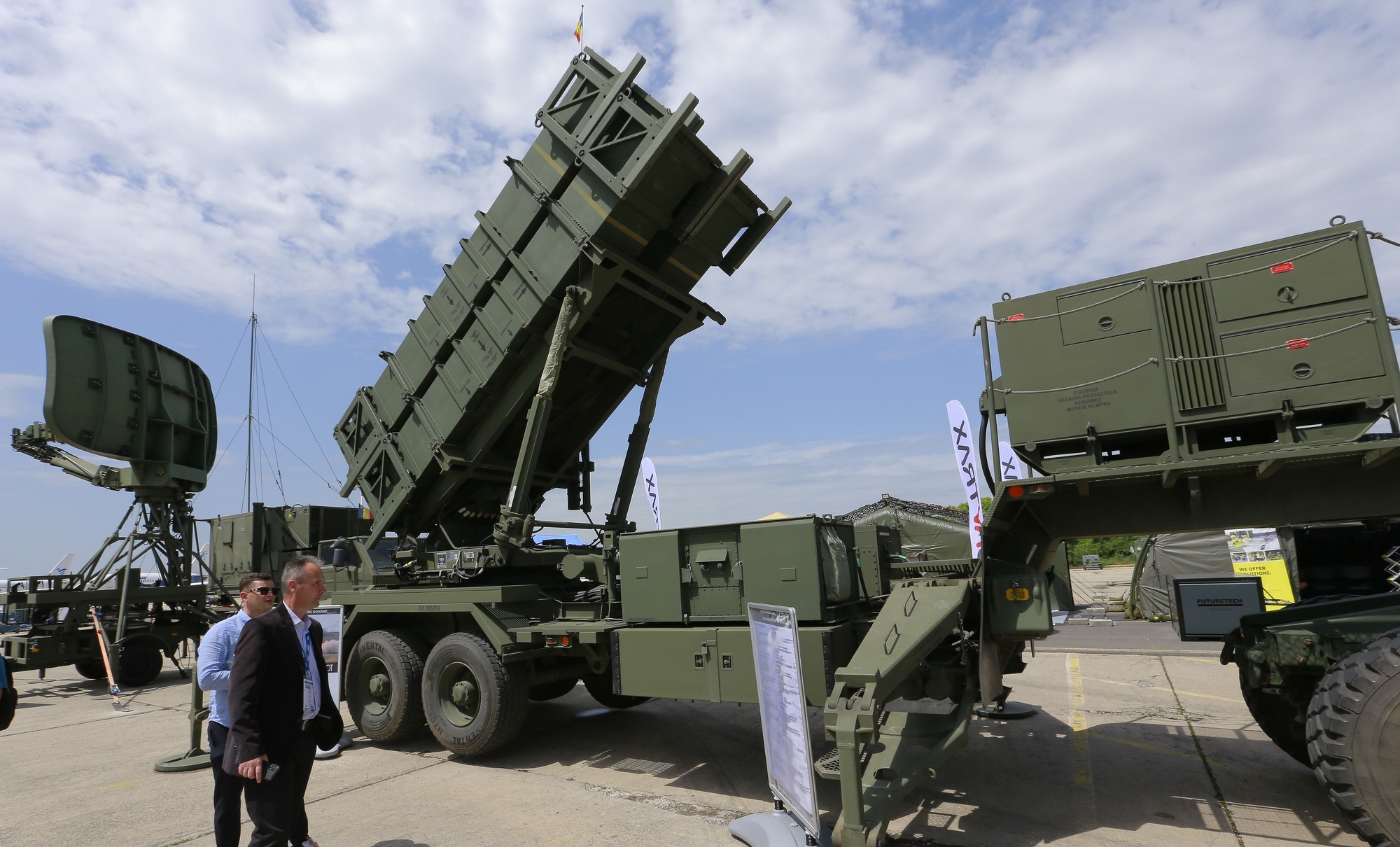
In a matter of days of escalation in the Middle East, partners used more than 800 Patriot interceptors to counter mass attacks, while, according to informed sources and The New York Times, Ukraine has received roughly about 600 missiles for Patriot systems over the years of the full‑scale war. These figures are not just statistics: they determine the operational stocks and the strategy for defending our country’s skies.
“This is equivalent to using a bazooka to kill a fly.”
— The New York Times
What officials are saying
Presidential communications adviser Dmytro Lytvyn reported an estimate of about 600 missiles for Ukraine. President Volodymyr Zelensky and EU Commissioner for Defence Andrius Kubilius noted that in the first days in the Middle East more than 800 such interceptors were used to repel over 2,000 drones and more than 500 ballistic targets.
“Over the four years of the war Kyiv has received about 600 missiles for Patriot systems.”
— Dmytro Lytvyn, presidential adviser for communications
Implications for tactics and logistics
The main problem is cost and scarcity. One Patriot interceptor costs more than $3 million, while the typical cost of a single Shahed is about $50,000. Thus, using expensive interceptors against cheap drones quickly became impractical and depleted stocks.
Ukraine has already adapted to this cost-and-availability gap by combining defensive measures:
- heavy machine guns and anti‑aircraft guns for close‑range countermeasures;
- cheaper missiles launched from F‑16s to intercept tactical targets;
- EW (electronic warfare) systems (jamming) and counter‑UAVs to neutralize mass Shahed attacks;
- Ukrainian interceptor drones and innovative interception tactics.
Diplomacy as part of logistics
Given the shortfall, Volodymyr Zelensky proposed exchanging Ukrainian interceptor drones for air‑defense missiles — a practical example of how defense aid can take the form of mutually beneficial swaps. The deployment of Ukrainian experts to help protect bases in the region has also been announced — another channel for transferring knowledge and capabilities.
What’s next: conclusions and scenarios
In short: the sudden demand for Patriot interceptors in regional conflicts highlights stock vulnerabilities and the need for long‑term planning. Experts and analysts agree that two parallel tracks are required — rapid deliveries and the development of an effective domestic multilayered defense.
The practical question for partners and for us remains: will supplying states turn declarations into accelerated deliveries and exchange mechanisms, and will Ukraine scale up production of effective, cost‑justified countermeasures? The answer will determine not only the number of interceptions but the resilience of our air defense over the long term.
Sources: The New York Times, official statements by Volodymyr Zelensky and Andrius Kubilius, comment by Dmytro Lytvyn; additional context — article by Valentyn Badrak (LIGA.net).





