What happened
The National Police reported that Denis Pushilin — the head of the puppet entity in the temporarily occupied territory of Donetsk region — has been notified of suspicion in a case concerning the illegal transfer of more than 400 firearms under the guise of "awards." According to the investigation, some of the pistols were initially traumatic or pneumatic and were later converted into combat weapons.
How the scheme worked
Investigators single out three roles in the network: organizers of procurement and transport abroad, craftsmen who converted the weapons, and criminal coordinators who financed and handed out the "awards" to the final recipients. Part of the goods came from Slovakia, where these models were legally in civilian circulation — this legal gap was exploited for smuggling and modifications.
The investigation separately points to an internal channel: pistols were stolen from facilities in the temporarily occupied territories and other regions — from law enforcement units to bank and postal branches.
International trail and the operation
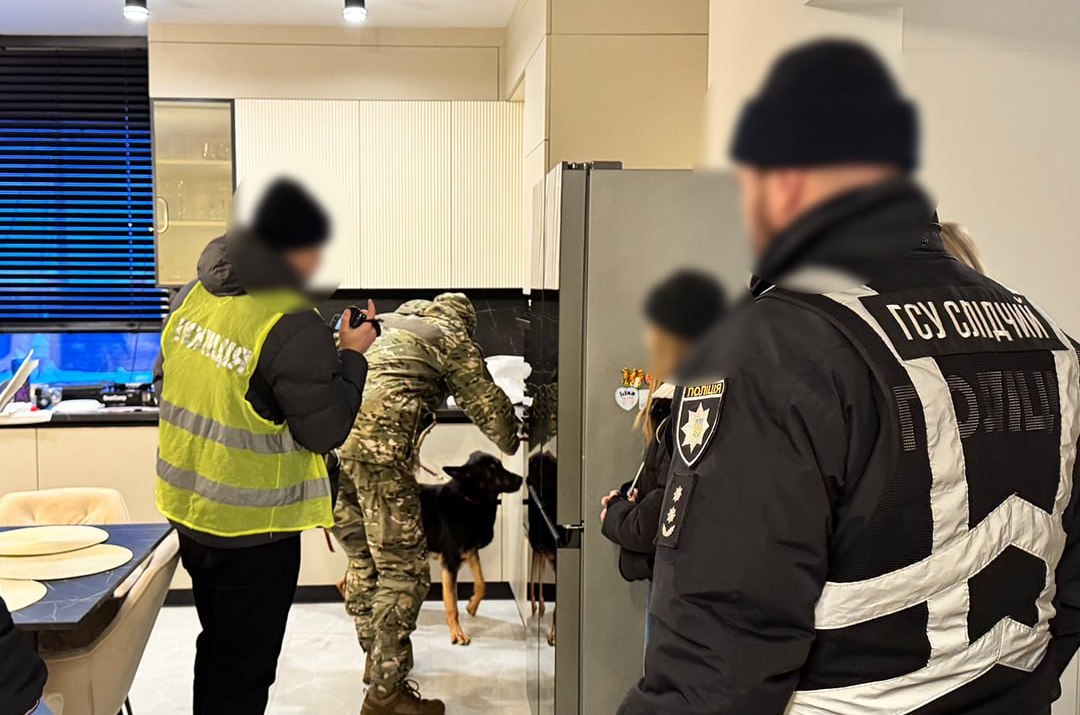
The investigation was conducted together with partners from Poland and Slovakia; Europol was involved. The first phase of the operation on 20 January included 23 simultaneous searches in five oblasts of Ukraine — Kyiv, Zakarpattia, Volyn, Zaporizhzhia and Rivne — during which data storage devices, rough notes, money and other evidence were seized.
"Pushilin has been notified of suspicion for organizing the illegal transfer of more than 400 firearms under the guise of 'awards'..."
— National Police of Ukraine
Legal status and consequences
Pushilin has been notified of suspicion of committing war crimes; the penalty carries up to 12 years imprisonment. Investigations into other participants continue under articles on illegal handling of weapons and the creation of a criminal organization (maximum — up to 10 years).
Investigators also emphasize: this weaponry was not "trophy" under the rules of international humanitarian law, which means this is a purely criminal scheme that increases the aggressor's combat potential and undermines local security.
Context and a signal to partners
The case fits into a broader pattern of holding representatives of pro‑Russian forces accountable: in recent years other cases have been initiated in Ukraine and abroad against Kremlin appointees and collaborators. This clearly shows that Ukrainian law enforcement and international partners are working through the supply and financing chains that fuel the war.
What this means for Ukraine
The real danger is not only the volume of weapons seized, but the mechanism of their legalization and conversion. The consequence — an increased risk of escalation on the ground, the arming of illegal formations and the expansion of the contraband weapons market.
Conclusion: the success of the operation depends on continued international coordination, strengthened control over civilian circulation of weapons in neighboring states, and bringing the case to convictions. So far law enforcement steps demonstrate resolve; the next stage is the legal outcome and preventive measures at the border.





