What happened
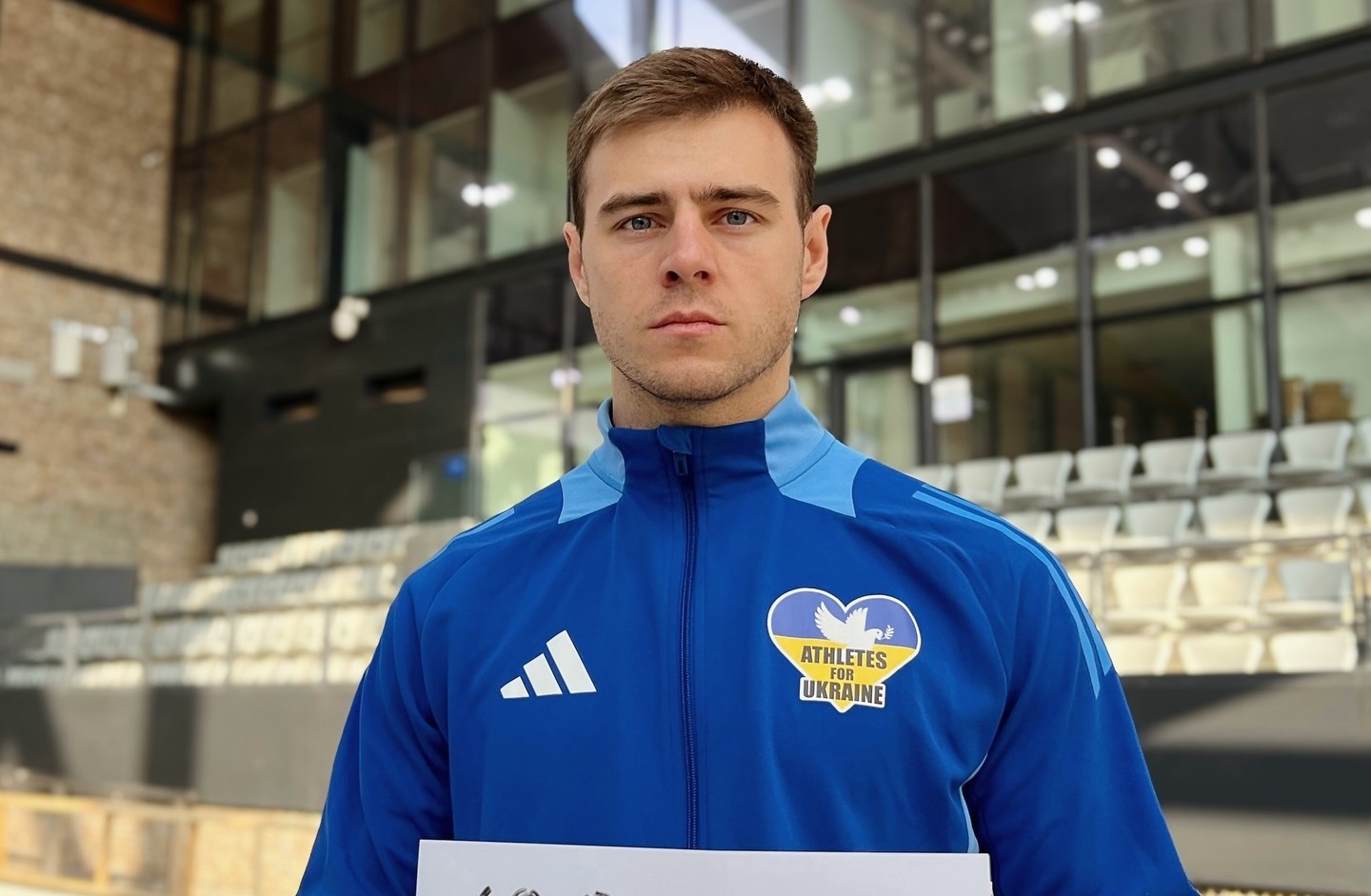
The Verkhovna Rada of Ukraine has officially appealed to the International Olympic Committee (IOC) in support of skeleton racer Vladyslav Heraskevych. In the appeal, which has already been registered in parliament, 268 members of parliament urged that the athlete be allowed to compete at the Olympics wearing a helmet dedicated to fallen Ukrainian athletes.
Details of the incident
On February 9, Heraskevych reported that an IOC official was prohibiting the use of a helmet with photographs of fallen Ukrainian athletes during training. The National Olympic Committee (NOC) of Ukraine officially stated that the helmet "fully complies with the IOC's safety requirements and rules, does not contain advertising, political slogans, or discriminatory elements, and was permitted during official training sessions."
On February 10, the IOC ruled that the athlete may not wear his "helmet of remembrance" during competition, but allowed the use of a black armband. The NOC has asked the IOC to review this decision.
"This could serve as a perfect example of the term 'double standards'."
— Vladyslav Heraskevych, skeleton racer
"The helmet fully complies with the IOC's safety requirements and rules, does not contain advertising, political slogans, or discriminatory elements."
— National Olympic Committee of Ukraine
Why it matters
Remembrance vs. neutrality. The IOC traditionally seeks to preserve the political neutrality of the Olympics, but cases like this raise the question: can ethical remembrance be separated from a "political message"? For Ukraine this is not only an individual athlete's initiative, but a way to honor those killed as a result of armed aggression.
Precedent for other athletes. The IOC's decision could set a standard for all national delegations: what is considered acceptable symbolism and what is not. This directly affects the freedom to express mourning and the international perception of events in Ukraine.
Politics and security. Parliamentarians also called on the IOC to revoke the admission of Russian and Belarusian athletes to international competitions — a demand that combines a moral stance with issues of security and equal conditions.
What happens next
Now the ball is in the IOC's court: the body can maintain the ban, write clearer criteria for acceptable symbolism, or find a compromise solution (for example, standardized memorial insignia). What matters is not only the verdict but the reasoning: will the IOC take the context of aggression into account as grounds for exceptions, or will strict neutrality remain without context.
For Ukraine this is a test of international attention: whether the global sporting community will allow the victims of the conflict to be honored without providing cover for repeated acts of violence. The IOC's decision could set a precedent for how sport responds to wars and human tragedies.
Brief outlook. The likely scenario is further negotiations between the NOC of Ukraine and the IOC and public pressure from domestic institutions and international partners. The issue is not only legal: it is a test of the ability of global sport to reconcile universal rules with demands for moral justice.





