Data and sources
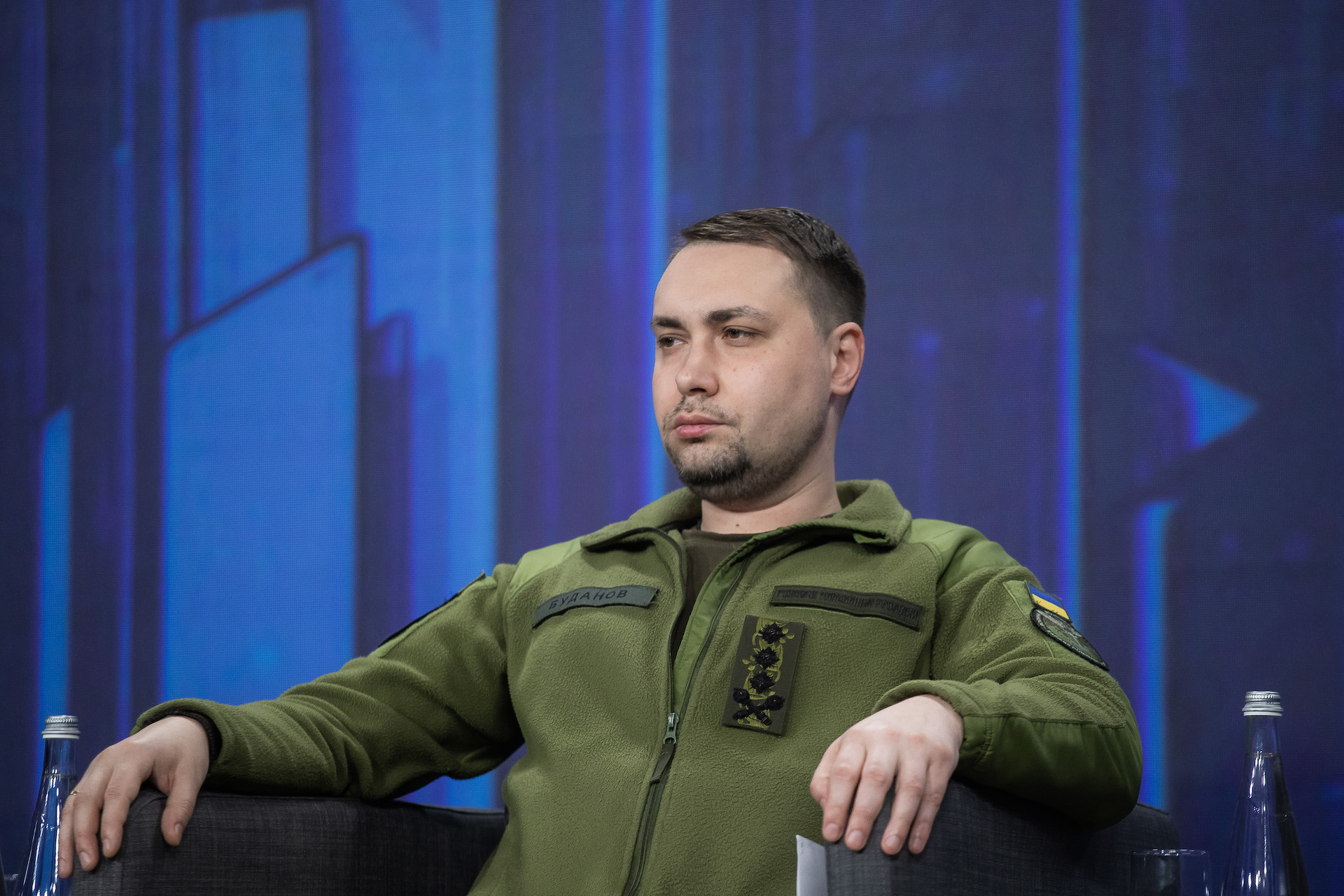
The head of the Main Directorate of Intelligence of the Ministry of Defense of Ukraine, Kyrylo Budanov, told Suspilne in an interview that Russia will exceed the approved recruitment plan of 403,000 people in 2025. According to him, the main source of reinforcements remains contract soldiers, and Moscow already has a plan of 409,000 people for 2026.
"Therefore, periodically they increase the level of one-time payments: it varies by region, but these are significant sums. That's how they lure people into the military."
— Kyrylo Budanov, head of the Main Directorate of Intelligence of the Ministry of Defense of Ukraine (interview with Suspilne)
Separate data confirm these trends: the Foreign Intelligence Service told LIGA.net that about 1,200 new contract soldiers join the Russian army each day, and in the first half of 2025 the Russians recruited roughly 200,000 people. There have also been reports of forced reallocation of personnel — in particular, in the Far Eastern regions recruiters are reportedly being sent to the front for failing to meet quotas.
Why this is happening
The reasons are clear from the logistics and economics of war: first, losses and the intensity of combat require rapid rotation and replenishment. Second, Russia is actively using financial incentives — increased one-time payments — to attract volunteers under contract. Third, personnel policy also includes elements of coercion or administrative pressure in remote regions.
Analysts note that the mere fact of exceeding the plan does not automatically mean a qualitative improvement in combat capability: rapid recruitment is often accompanied by shortened training, logistical problems, and a decline in equipment levels.
Implications for Ukraine
This has two interrelated effects. On one hand, a larger number of personnel can sustain the intensity of the enemy's offensive or defensive operations. On the other hand, mass recruitment increases costs, strains supply chains and training culture, which ultimately affects unit quality.
For Ukraine the key question is not only how many people the adversary has, but how many of them possess real tactical potential. This underscores the need for systemic international support: ammunition, anti-tank weapons, air defense systems, and force training. These are the tools that change the mathematical and operational balance on the front.
What’s next
Budanov's data and intelligence reports point to a sustained wave of mobilization pressure in Russia. The question for our partners and for domestic strategy is whether declarations will translate into concrete deliveries and training necessary to hold the initiative on the battlefield. Our response must be pragmatic: strengthen the rear, respond promptly to changes by the adversary, and maintain an edge in technology and logistics.
"While public attention often focuses on the numbers, it's important to see how exactly these people affect the operational picture — readiness, supply, motivation."
— defense expert (comment from the analytical community)
So: exceeding the plan is a fact, but its impact on Russia's long-term capability will be determined not only by quantity, but also by quality and the ability to sustain these units. For now Ukraine's response should be unequivocal — strengthen support for the front and demand concrete solutions from partners, not just statements.







