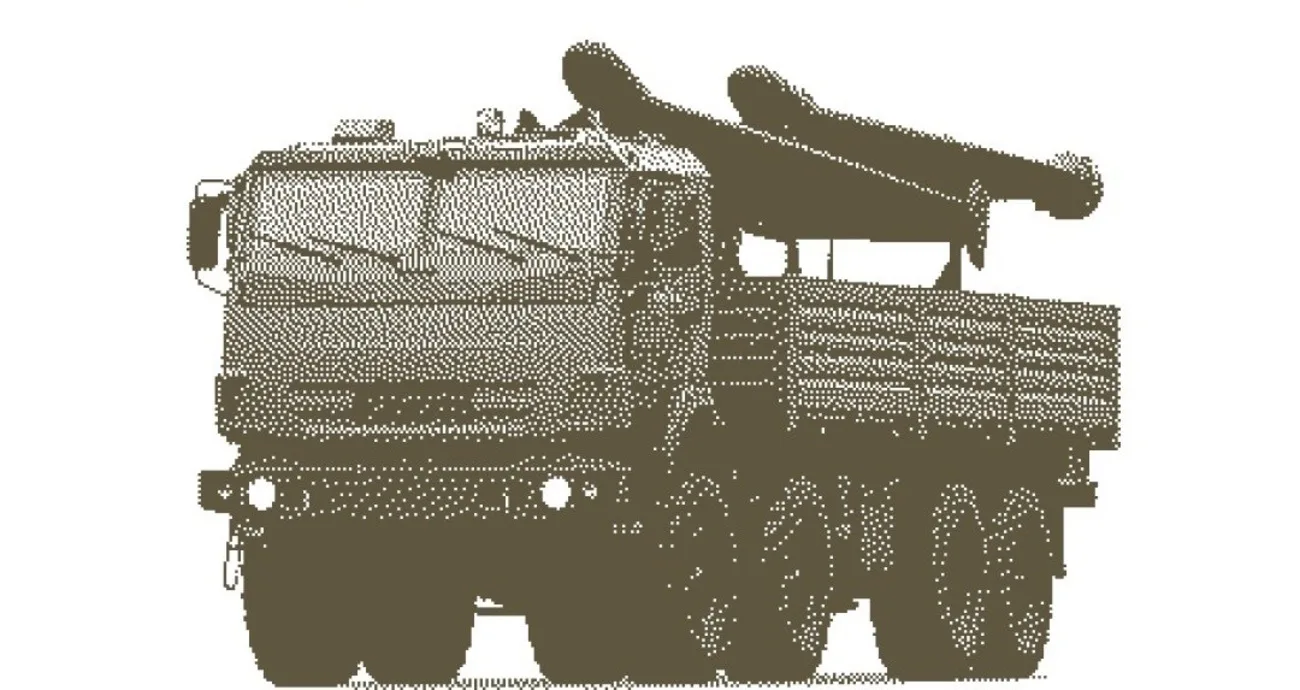
At the beginning of the week, a Romanian F-16 as part of NATO's Baltic patrol mission shot down a drone over Estonia for the first time. Ukraine apologized for the "unintentional incident." Russia promised "retaliation." And then the head of Estonia's Foreign Ministry did something unexpected: he did not demand that Kyiv stop.
What Tsahkna Said
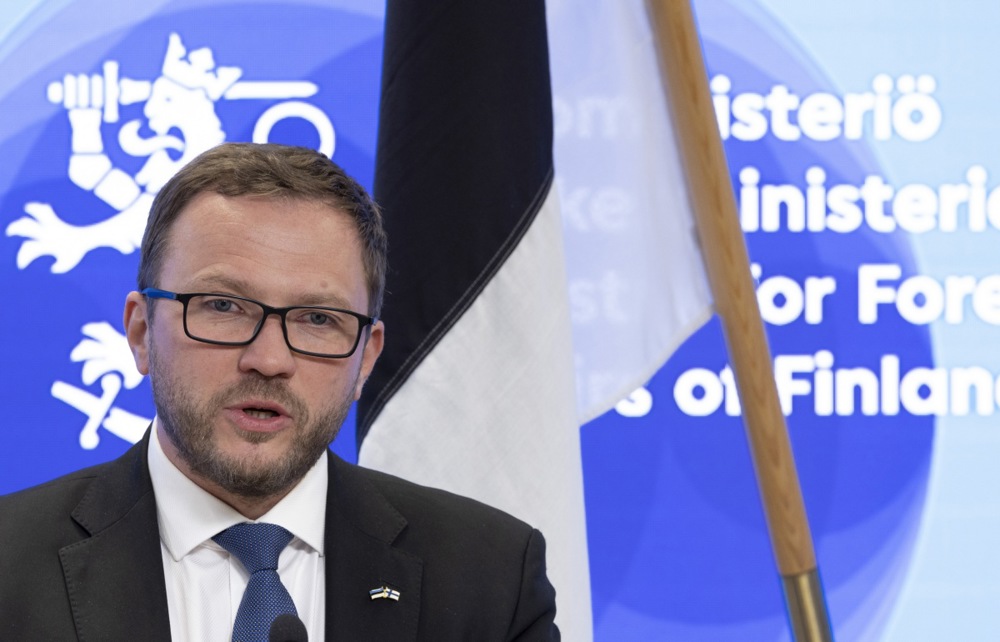
In an interview with Financial Times, Estonian Foreign Minister Margus Tsahkna called the fall of Ukrainian drones on Alliance territory "a price worth paying" for the destruction of Russian oil refineries and military bases.
"Of course, we are not happy. But we are not telling Ukraine to stop this. It strikes at Putin's vital artery."
Margus Tsahkna, Estonian Foreign Minister, Financial Times
This is not rhetoric for the sake of support. In May 2026, Estonia, Latvia, Lithuania, and Finland recorded a series of new incidents: a drone with a 5-kilogram warhead was found in an Estonian field, and shot-down unmanned vehicles were also recorded by Baltic Sea neighbors.
Who Is Behind This — a Question That Is Only Formally Open
On May 22, ahead of a NATO foreign ministers meeting in Swedish Helsingborg, Tsahkna went further: Russia is deliberately steering shot-down Ukrainian drones into Alliance airspace. Lithuania supported this position, pointing to deliberate electronic warfare suppression from Moscow.
Lithuanian military analyst Vaidotas Malinyonis explained the mechanism: Russia jams drone navigation to provoke their intrusion into NATO airspace, while simultaneously accusing Baltic states of supporting Ukraine. The goal is to sow distrust and pressure Kyiv's partners.
NATO Secretary General Mark Rutte confirmed the immutability of Article 5 at the final press conference in Helsingborg, but sidestepped the question of whether the Alliance qualifies deliberate drone steering as a hybrid attack on bloc members.
Tactical Context: Why Kyiv Strikes Oil Refineries
The campaign of strikes against Russian oil infrastructure did not start yesterday. According to Reuters, the number of attacked refineries has doubled since the beginning of 2026. The Ryazan plant shut down on May 15, the Moscow plant on May 17, the Yaroslavl refinery (YANOS) operates at approximately a quarter of capacity. Russia has banned gasoline exports until July 31.
- According to the IEA, the consequences for oil refining in Russia will be felt at least until mid-2026.
- In April, Russian oil production, according to industry sources, fell by 300–400 thousand barrels per day — the largest decline in six years.
- Gasoline production fell by 25%, the stock market dropped by 13%.
This is precisely the effect Tsahkna has in mind when speaking of an "artery." The question for allies is not new: until what point does strategic gain outweigh the diplomatic discomfort of drones falling on Estonian fields?
Where the Line of Acceptability Is
So far, there have been no civilian casualties. The interception over Estonia occurred without consequences for the population. But a precedent of a shot-down drone over NATO territory already exists — and Russia has already used it for threats.
Tsahkna publicly accepted this risk. Whether Warsaw, Berlin, or Paris are ready for the same will become clear when the next drone falls not in a field, but closer to infrastructure.