What happened
According to The New York Times and open flight-tracking services, a government plane landed in New York that reportedly carried a delegation of deputies from the State Duma of Russia — the first such visit to the U.S. since the start of the full-scale invasion in 2022. Meetings involving the Russian parliamentarians began the following day in Washington.
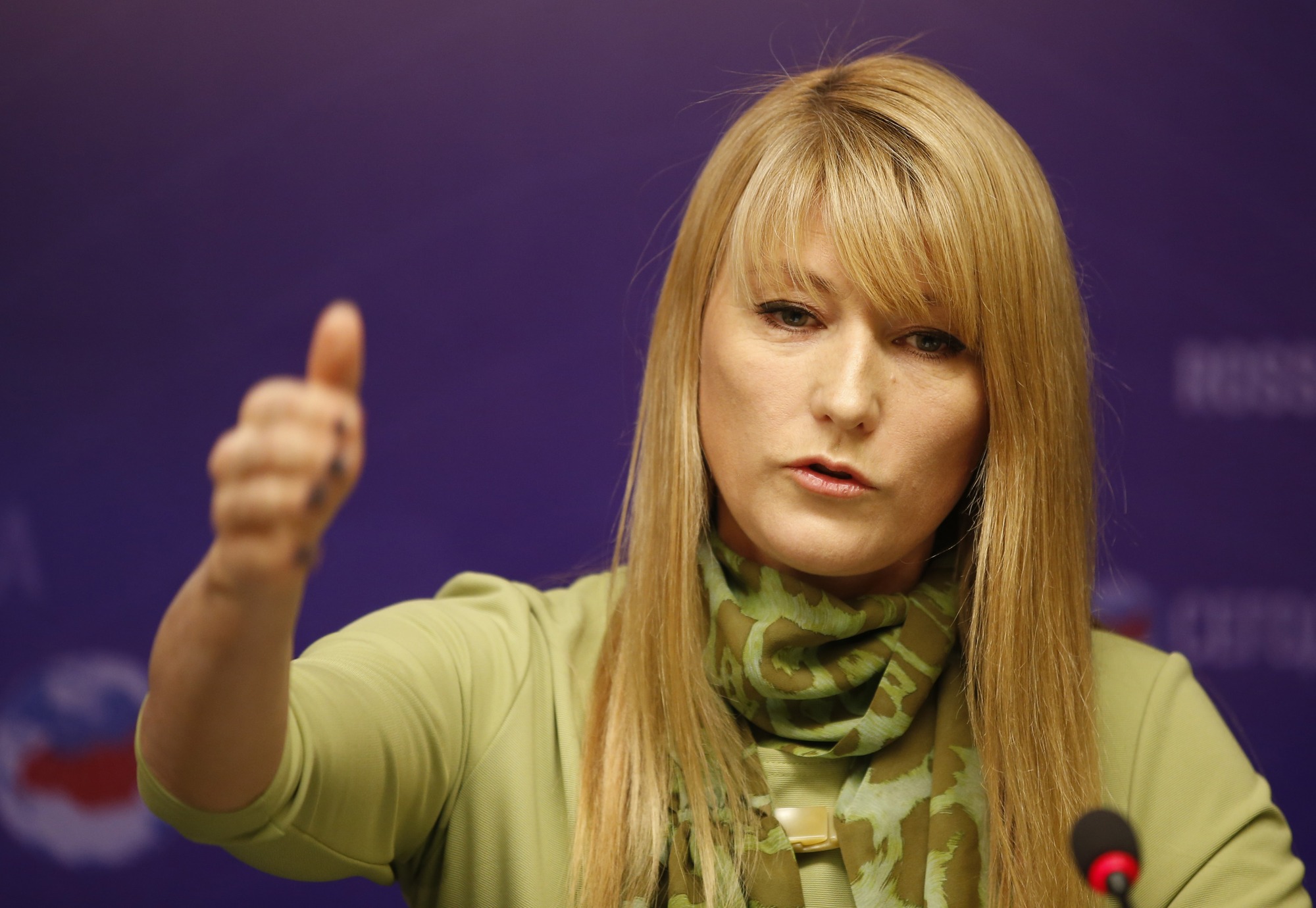
The delegation included Vyacheslav Nikonov, Svetlana Zhurova and Alexander Chernyshov. Leonid Slutsky, head of the Duma’s Foreign Affairs Committee, described the visit as a “test meeting” without a specific agenda.
"The goal is to restore communication without a specific agenda. This is a test meeting to see each other, hear and feel one another."
— Leonid Slutsky, head of the State Duma Committee on International Affairs
At the same time, the U.S. State Department denied a visa to Slutsky himself. Reports say all the deputies in the delegation are subject to U.S. sanctions for supporting the 2014 annexation of Crimea and the full-scale war against Ukraine, which formally prohibits their entry.
Why this matters for Ukraine
In high diplomacy, quiet agreements matter more than loud statements. The visit itself is not peace negotiations, but it is a signal: complex channels of communication can open even between parties in conflict. For Kyiv, the key issue is how partners in Washington will use this meeting in their domestic and foreign policies.
The invitation was reportedly extended by Congresswoman Anna Paulina Luna, who says she received “the green light” from the State Department. This raises questions about the limits of contacts with Russian officials under sanctions: is this a one-off gesture by individual lawmakers or the start of a broader discussion about formats for talks?
Risks and consequences
Political legitimization: any contacts can be used by the Kremlin as an element of legitimization or information operations. That does not mean contacts automatically harm Ukraine, but they require strict control and transparent conditions.
Sanctions precedent: if exceptions are made for certain sanctioned figures, it creates a complicated precedent for future sanctions policy. In Washington and Kyiv there are already discussions about how to prevent such meetings from being manipulated for information purposes.
Diplomatic tool or propaganda: meetings without a clear agenda are a convenient instrument for establishing contacts, but also carry the risk of turning into a propaganda channel. Experts note that such “test” contacts should be accompanied by a clear purpose and documentation of outcomes.
Context of Ukraine’s strategy
Against this backdrop, the President of Ukraine has repeatedly emphasized that security guarantees are the key issue in any negotiations. As an example — Volodymyr Zelenskyy’s statement of March 25, cited in public sources.
"The Americans are ready to formalize security guarantees if Ukraine withdraws from Donbas."
— Volodymyr Zelenskyy, President of Ukraine (March 25)
This is a reminder: any meetings involving Russian representatives should be viewed in the broader context of guarantees, territorial integrity and Ukraine’s security interests.
What’s next
While attention is focused on headlines, the real work is happening behind the scenes: monitoring the outcomes of the meetings, analyzing public statements and reactions from members of Congress, and the State Department’s position on sanctions exceptions. For Ukraine it is important to keep security issues and the inviolability of the sanctions regime in the focus of international partners.
Whether this visit will remain an isolated incident or become the start of a new practice of contacts depends on decisions by American institutions and how transparently they present the results of these meetings. Partners must give a clear answer: declarations are one thing, signed agreements and guarantees are another.
Sources: The New York Times, open flight-tracking services, public statements of the State Duma and official press-service releases.





