A sober response from Kyiv to an emotional appeal from Rome
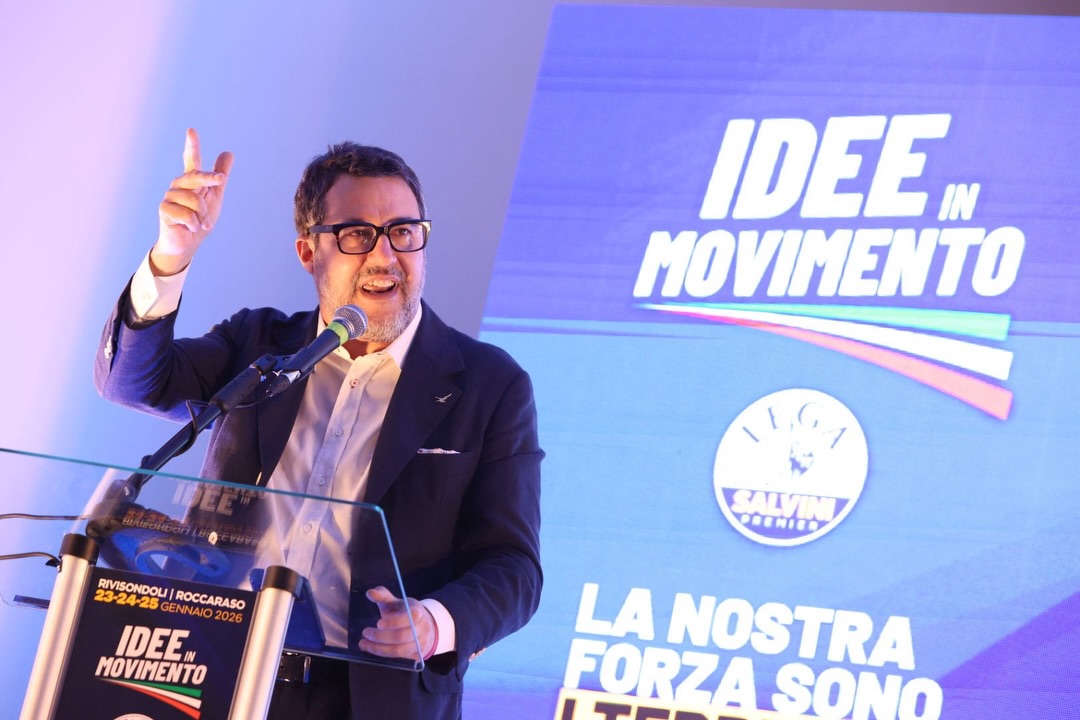
In a speech in the Abruzzo region, Italy’s Deputy Prime Minister Matteo Salvini urged President Volodymyr Zelenskyy to “sign peace” and said that allegedly “Ukraine is losing the war.” In his message, Russian aggression was effectively reduced to the diplomatic choice of one of the conflict’s participants. Ukraine’s Foreign Ministry reacted clearly and directly: spokesman Heorhii Tykhyi advised Salvini “to address not the defender, but the one who started this war” — Vladimir Putin.
“We heard Zelensky, who, after all the money, effort and assistance received, still has the audacity to complain. My friend, you are losing the war, you are losing people, authority and dignity: sign a PEACE agreement as soon as possible. You will have to choose between defeat and rout.”
— Matteo Salvini, Deputy Prime Minister of Italy
“They did not choose ‘between defeat and rout’... They fought side by side with other allies because the freedom of Italy and all of Europe was at stake.”
— Heorhii Tykhyi, spokesperson for the Ministry of Foreign Affairs of Ukraine
In its response the Foreign Ministry provided historical context: between 3,000 and 5,000 Ukrainians took part in the Battle of Monte Cassino — a symbol of the struggle for Europe’s freedom 80 years ago. The spokesman emphasized that equating the defender with the initiator of the aggression distorts the essence of the question of peace in Europe.
What this means for relations between Ukraine and Italy
Salvini’s comment is part of Italian domestic politics: he is known for a hardline stance on migration and in November 2025 criticized additional aid to Ukraine in the context of the “Midas” case. This sends a two-level signal at once: about a domestic audience in Italy and about how individual politicians can amplify narratives beneficial to Moscow.
Diplomats and analysts note that when a representative of an ally urges the defending side to “sign peace,” it undermines the strategic unity of partners and creates an informational advantage for the aggressor. Therefore the Foreign Ministry’s reaction was not only emotional: it aimed to clearly emphasize the source of the conflict and to preserve international support for Ukraine.
Consequences and outlook
Such an episode could affect public debate in Italy and the political balance within the EU — especially if similar calls are repeated. It is in Ukraine’s interest to seek from partners not only words but concrete decisions — military, financial and political support that preserve its position at the negotiating table. The question for the Italian authorities and for European allies is: will they respond to the signals of individual politicians or uphold the common line of solidarity with the country that is defending itself?





