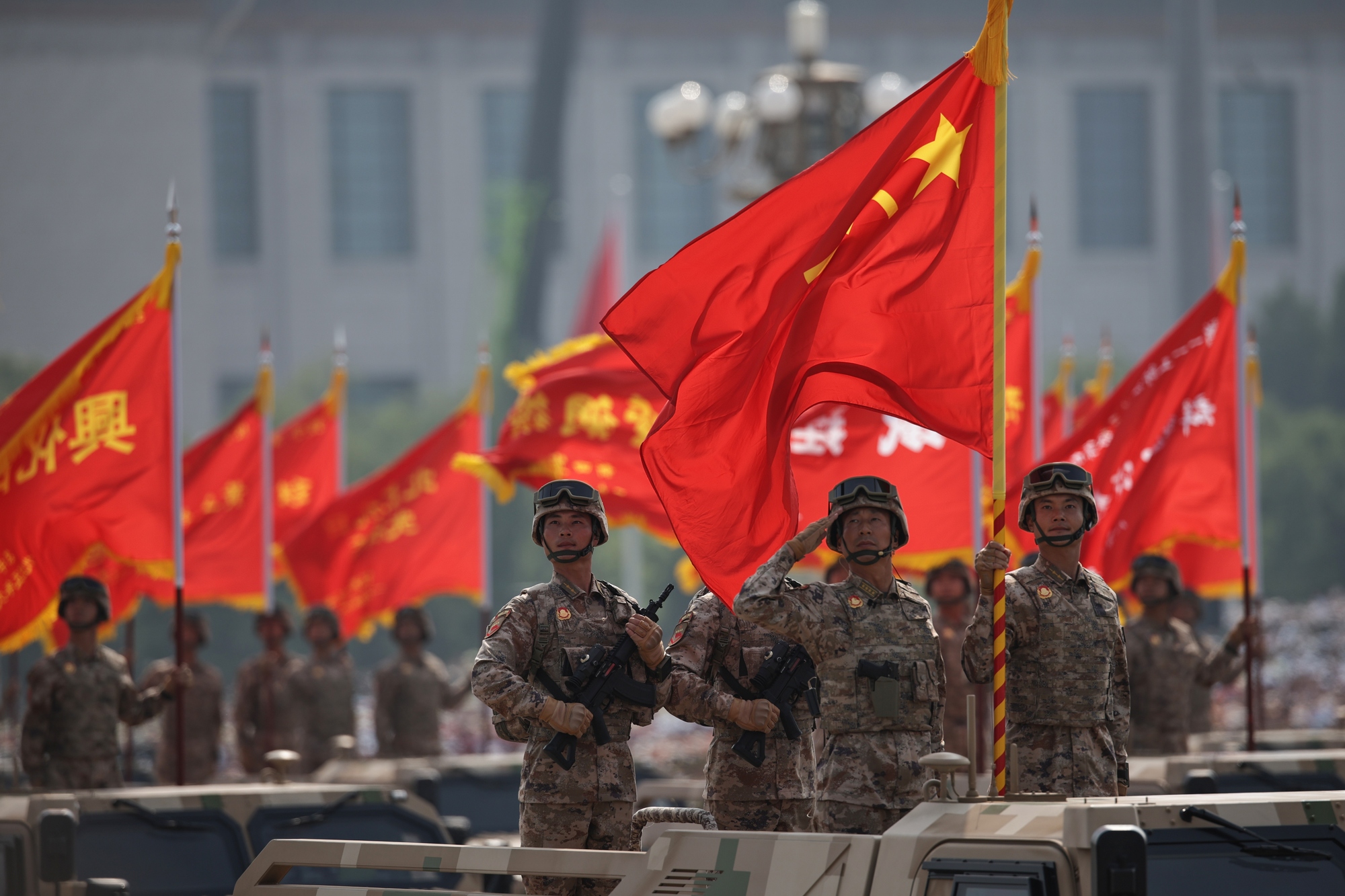
Scandal in Geneva: U.S. accusations amid an arms control crisis
At the disarmament conference in Geneva, the U.S. accused China of conducting a covert nuclear test in June 2020. The report was made by the Reuters agency, and the statement was voiced by U.S. Deputy Secretary of State for Arms Control Thomas DiNanno. The event occurred at a historic moment — against the backdrop of intensifying discussions about expanding arms control treaties to include not only the U.S. and Russia but also Beijing.
U.S. position
DiNanno asserts that Chinese military forces prepared and carried out a nuclear explosion with a yield of "hundreds of tons" on 22 June 2020 and used methods that reduce the effectiveness of seismic monitoring to conceal the test. Against this backdrop, the American side is calling for the conclusion of a new, broader treaty on nuclear arms control that would formally bring China and Russia into a regime of verification and limits.
"Chinese military forces prepared and carried out a nuclear explosion with a yield of 'hundreds of tons' and employed methods to reduce the effectiveness of seismic monitoring."
— Thomas DiNanno, U.S. Deputy Secretary of State for Arms Control
Beijing's reaction
China's disarmament representative Shen Jian did not give a direct response to the specific accusations and emphasized that Beijing "acts prudently and responsibly" on nuclear matters. In his remarks he also accused Washington of creating "false narratives" about a Chinese nuclear threat and of escalating an arms race.
"China notes that the U.S. continues in its statements to inflate the so‑called Chinese nuclear threat."
— Shen Jian, China’s disarmament ambassador
What really changes and why Ukraine should read this
This is not just another round of diplomatic accusations — it is a signal of the weakness of the current arms control system. The Comprehensive Nuclear-Test-Ban Treaty (CTBT) has still not entered into force due to the lack of ratification by key states; this complicates a rapid international response to such allegations.
The implications for Ukraine are threefold: first, heightened nuclear rhetoric makes the strategic situation in Europe more unpredictable; second, the breakdown of verification regimes complicates diplomatic efforts on non‑proliferation; third, in the event of an escalation of the arms race, international attention and resources could be diverted away from security initiatives for our region.
What next?
Diplomats at the conference called the American accusations "new" and "concerning" for global stability. Analysts point out: there are two scenarios — respond constructively and advance verification mechanisms with the involvement of allies, or allow accusatory public confrontations to further tear apart arms control regimes. For Ukraine it is important to insist on transparent, internationally verified monitoring mechanisms — this directly affects its long‑term security.
Now the question for partners: will they have the political will to turn the accusations into real negotiations on a new system of constraints, or will the Geneva episode become simply another pretext for escalation?





