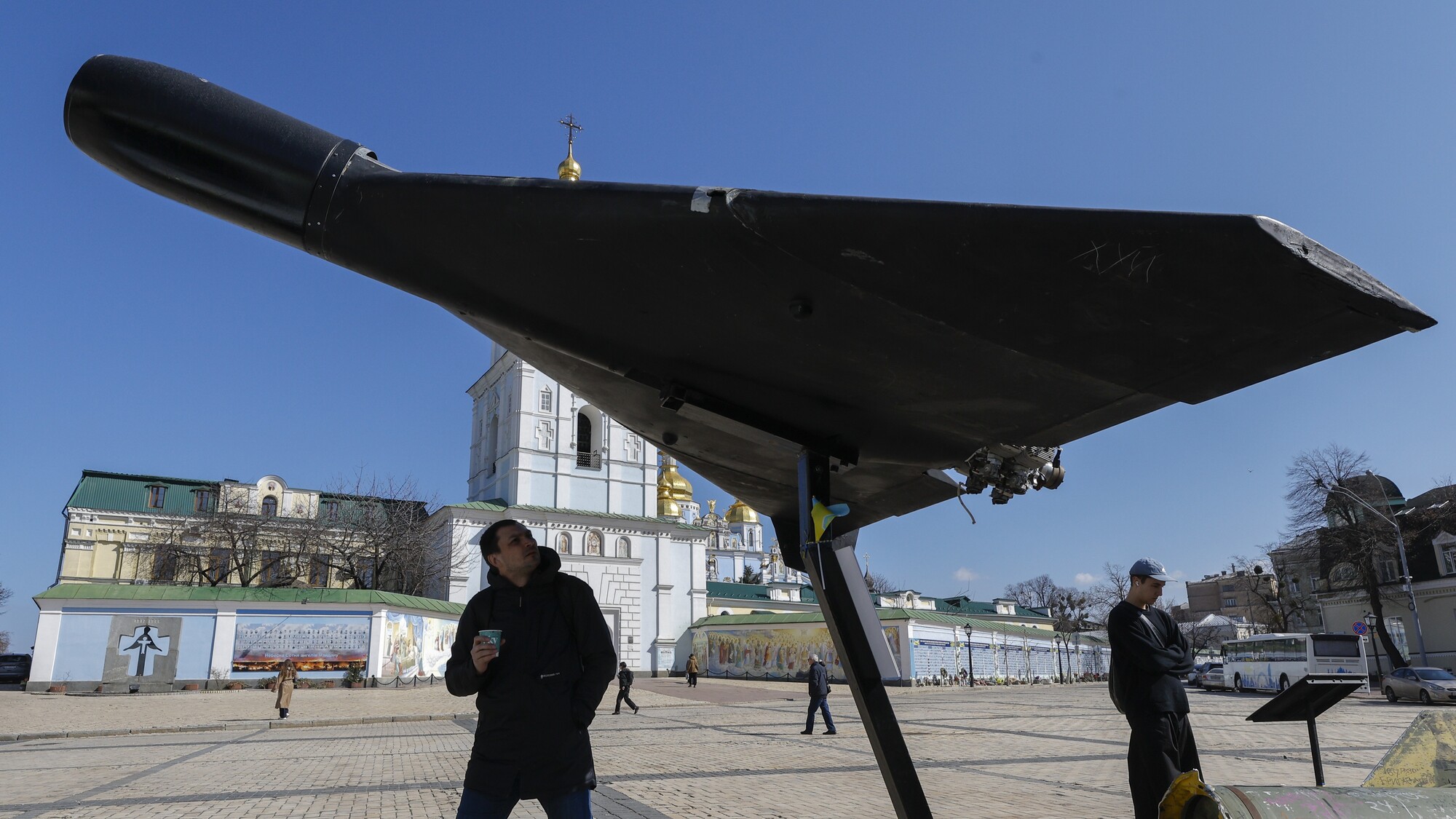
Diplomacy usually works with words and documents. Now it adds charred metal to the mix. The Cabinet of Ministers approved a mechanism by which Ukraine will transfer destroyed samples of Russian military equipment to museums in other countries free of charge — not as trophies for collectors, but as an argument in public discourse about what this war really is.
A Tank as an Exhibit, Not an Abstraction
The idea is simple: photographs and videos of destroyed equipment can be called a staging or propaganda, but a burnt-out T-72 in a museum hall cannot. Following a decision by the Ministry of Culture and Ministry of Defense, the first recipients will be museums in Lithuania, Latvia, Estonia, Denmark, and the Netherlands — countries that are already among the most active suppliers of weapons to Ukraine and the loudest voices in the EU pressing for pressure on Russia.
Only equipment that no longer poses a danger will be transferred: vehicles without explosive elements that have permanently lost their combat properties. In other words, this is not a demonstration of the capabilities of the Russian Armed Forces, but evidence of its defeats on specific front sections.
Why This is Practical for Ukraine
Behind this decision stands more than just symbolism. A museum exhibition is a format that reaches an audience that news does not: school excursions, tourists, local politicians attending exhibition openings. It is a slow but long-lasting presence of the war topic in the information space of partner countries, when attention to Ukraine in headlines naturally fades.
The project is designed to strengthen Ukraine's cultural diplomacy and expand cooperation with foreign museum institutions, — the Ministry of Culture notes.
There is also a less obvious effect: transferring equipment to foreign museums removes from Ukraine part of the logistical burden — storage, protection, and utilization of trophies that have accumulated considerably over the years of war.
What's Next
- The first wave — T-72 tanks to five countries, subsequent equipment samples will be determined separately for each request.
- The mechanism opens the path for permanent exhibitions, not one-off events — meaning the presence of the war topic in the public space of partners will outlast the news cycle.
The question is whether this step will become part of systematic work on war memory in Europe or remain isolated display windows in a few capitals — this depends on how many countries and museums respond to the proposal after the first exhibitions.