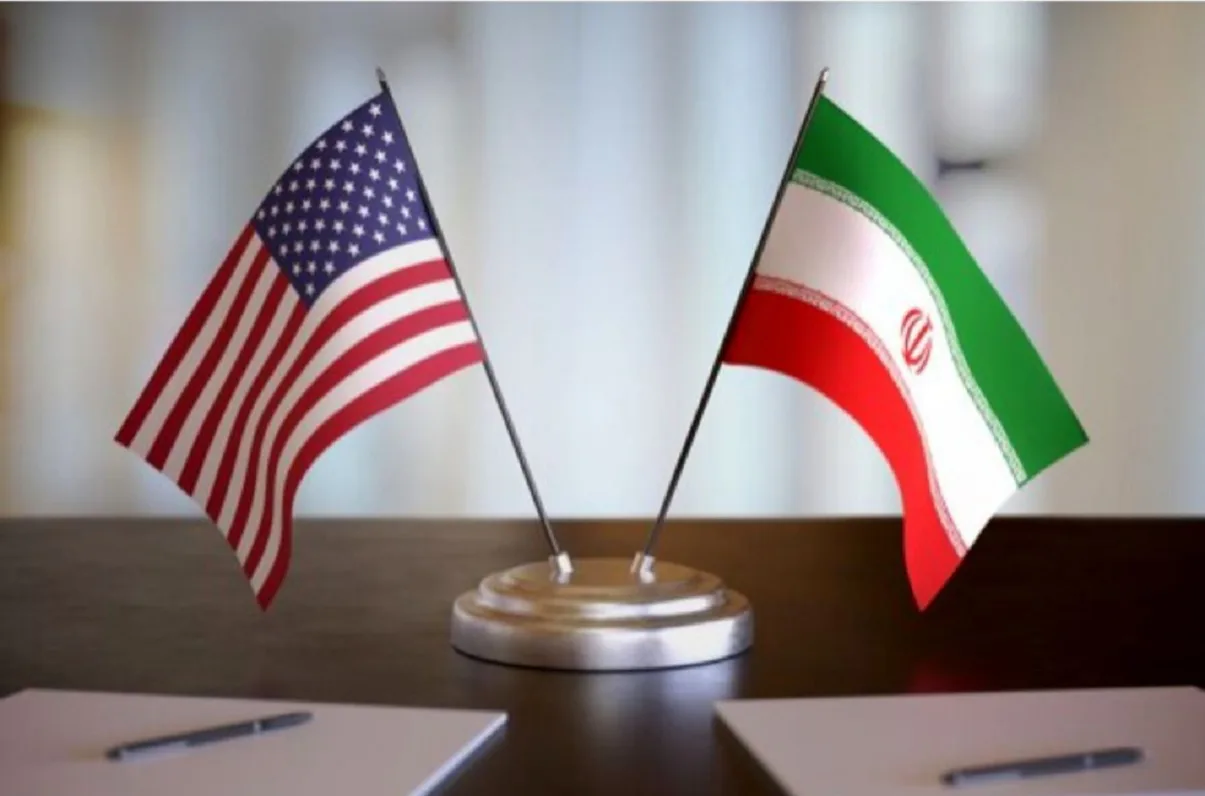
The United States and Iran have reached an agreement on an immediate cessation of mutual attacks, according to several American and Middle Eastern media outlets. The parties plan to meet in Qatar this week to resolve the crisis surrounding shipping in the Strait of Hormuz.
The Strait of Hormuz is a 33-kilometer waterway between Iran and Oman, through which approximately 20% of the world's oil supply passes daily. When tensions arise here, they are felt at gas stations in Warsaw, Berlin, and Kyiv.
What preceded the agreement
Recent months have been marked by a series of incidents: Iranian units carried out attacks on vessels and American bases in the region, with the U.S. responding with strikes against Iranian proxy structures. The escalation reached a point where both sides apparently calculated the risks of further escalation as unacceptable.
Qatar is acting as a mediator — Doha traditionally maintains communication channels with both Washington and Tehran, making it a logical venue for such negotiations.
What remains open
The agreement on an "immediate cessation of attacks" is not yet a deal. The key question to be resolved at the Qatar meeting is: what will be the specific mechanisms for monitoring compliance with the agreements and who will verify them? Without this, any ceasefire remains merely a declaration of intent.
Iran traditionally uses negotiation pauses to regroup and preserve its leverage. The U.S., for its part, enters negotiations under domestic pressure regarding the cost of its military presence in the region.
Why this matters beyond the Middle East
For Ukraine, the context has a concrete dimension: oil market stability affects fuel prices, and American attention and resources are not unlimited. Any de-escalation on the Iran front theoretically frees up Washington's diplomatic and military focus.
If the Qatar meeting concludes with only general statements without a prescribed verification mechanism — is there reason to consider this agreement anything more than another pause before the next round?







