In brief — what it is and why it matters
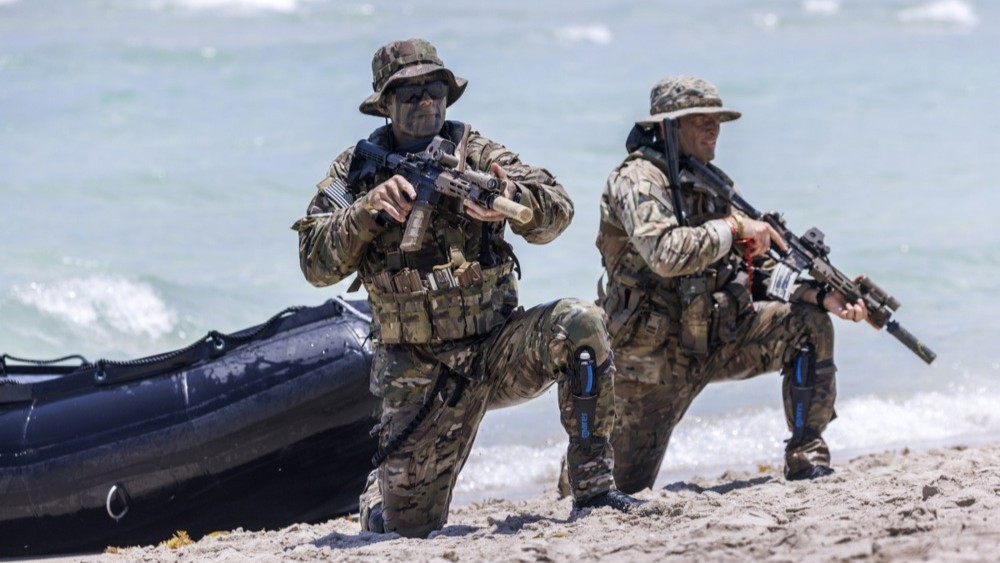
Axios reports, citing several interlocutors, that the United States and Israel discussed the possibility of sending special forces units into Iran to secure stocks of highly enriched uranium. Two basic scenarios were on the table: physically removing the material or reducing its enrichment level in place with specialists involved — likely with the participation of the IAEA. This issue matters not only for countering a nuclear threat but also for the energy and defense stability of the region.
What exactly was proposed — operation options
According to sources, the discussion concerns roughly 450 kg of uranium at ~60% enrichment. Such material could be brought to weapons-grade levels in a few weeks if working infrastructure were available. One proposed option was the complete removal of the material; the other was bringing in experts to reduce the enrichment level on site.
"The first question: where is it [the uranium]? The second question: how can we get to it and how can we obtain physical control over it?"
— anonymous U.S. official, comment to Axios
Operational difficulties and political risks
Even if the mission is technically feasible, there are several major barriers. The first is intelligence: the exact location and storage conditions of the uranium. The second is security: the operation would require neutralizing Iranian forces and guarantees against large-scale escalation. The third is politics: whether the mission would be American, Israeli, or joint, and whether partners are willing to assume the political and strategic risks.
Context: what has already happened and the consequences
Axios recalls that after U.S. and Israeli strikes in June 2025 a significant portion of the stocks was buried under rubble, and centrifuges were seriously damaged. Officials say there has been no open evidence since then of restoring a full enrichment cycle. Nonetheless, the presence of even partially enriched material is an accelerated countdown for those seeking nuclear capability.
What this means for Ukraine
U.S. and Israeli involvement in such operations also affects what resources are available to Ukraine. The diversion of air defense, the deployment of intelligence capabilities and logistics in the region — all of this can temporarily affect the supply and support of international systems that Kyiv needs. Analysts note that even if there is no direct correlation, partners' geopolitical priorities determine where key assets and attention are directed.
"At some point, maybe we'll do it... We wouldn't do it now. Maybe we'll do it later."
— Donald Trump, U.S. President (quote in publications)
Possible future scenarios and advice for the reader
The likelihood of an actual ground operation depends on three factors: the degree to which Iranian forces can be neutralized, the willingness of international partners to bear political costs, and the availability of a clear intelligence picture. For Ukraine, it is important to watch not only the statements coming out of Washington or Tel Aviv, but whether declarations turn into concrete assistance in the form of air defense, intelligence, and logistics.
So far sources (Axios, NBC, and others) report a discussion, not a decided course of action. That means it depends on us how promptly and persuasively Kyiv can convey its needs to partners when their resources and attention come under pressure from new tasks.





