Introduction
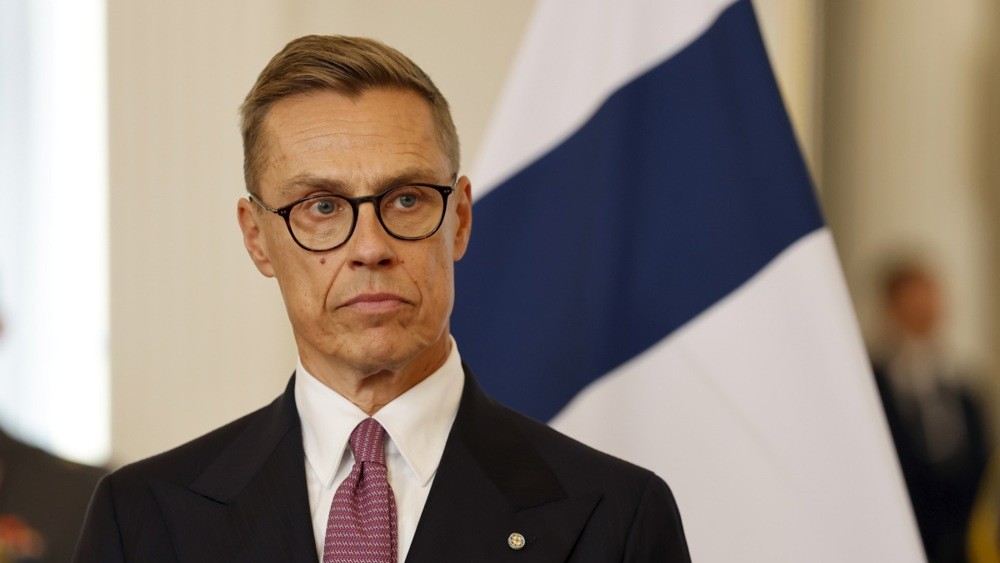
In his New Year address, the President of Finland, Alexander Stubb, posed a simple but important question: peace is often a compromise, and not all points of an agreement will seem fair. The speech was reported by the Finnish outlet Yle. This message is worth the attention of the Ukrainian reader because it reflects the realistic approach of one of Europe’s key neighbors to ending the war.
What Stubb said
"Peace is most often a compromise. We must be prepared for the fact that not all points of a peace agreement will likely correspond to our idea of justice"
— Alexander Stubb, President of Finland
He also stressed that 2026 could be decisive for Ukraine, but everything depends on Russia’s actions: "We cannot be sure whether Russia is ready for peace." Stubb separately touched on relations with the United States in the context of the new political cycle there, noting that transatlantic cooperation is valuable but is in a transitional state.
Why this matters for Ukraine
Stubb’s comment is not merely a diplomatic remark. It frames practical decisions: if peace talks begin or intensify in 2026, Ukraine must prepare for two realities at once. First, some compromises may concern territory, security guarantees, or the phased return of control. Second, the outcome will depend not only on Kyiv’s position and its partners, but on Moscow’s readiness for a stable ceasefire and to implement agreements.
Analysts and diplomats point out that in such a scenario the decisive factor will be a combination of diplomacy, defensive resilience, and clear international guarantees — precisely what protects the interests of Ukrainians when compromises are inevitable.
The US position and the transatlantic link
Stubb explicitly noted that relations with the United States are in a phase of change. This inevitably affects the speed and nature of assistance, and thus the dynamics of negotiations. European capitals now place greater value on their own security mechanisms and are prepared for autonomous diplomatic moves, but without maintaining transatlantic guarantees full stabilization will be less reliable.
Conclusion
Stubb’s message is a signal: it is time to prepare not only for negotiations but also for difficult compromises. For Ukraine this means strengthening defense capability, clearly defining non-negotiable red lines, and working with partners on legally binding security guarantees. Declarations of "readiness for peace" must be transformed into concrete treaties and mechanisms to monitor their implementation. Otherwise the risk of obtaining a paper peace without a real return of security will remain.
Source: Yle. Comments and analytical conclusions are based on public speeches and assessments of European experts.





